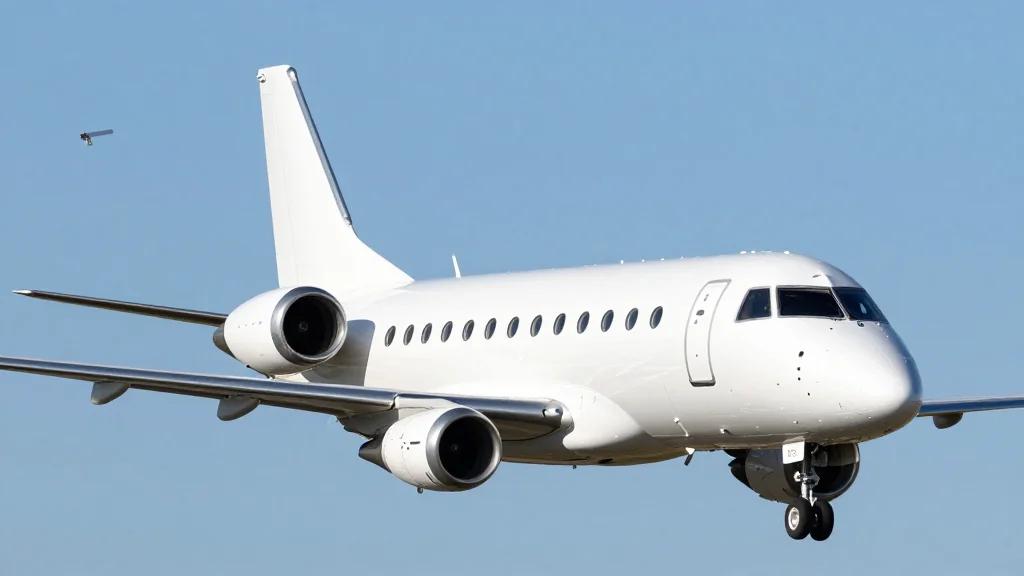
United Airlines Gets FAA Nod for Starlink-Equipped Embraer 175

Companies Mentioned
Why It Matters
The FAA’s green light for Starlink on a regional jet demonstrates that low‑Earth‑orbit satellite constellations can meet the stringent safety and performance standards of commercial aviation. For passengers, the upgrade promises a connectivity experience comparable to that on mainline aircraft, narrowing the digital divide on short‑haul routes. For the aerospace industry, the certification validates a new business model where space‑based communications become a standard component of airline fleets, driving demand for lighter, more efficient antenna technology and creating a revenue stream for satellite operators. Beyond passenger Wi‑Fi, the integration opens possibilities for real‑time data exchange between aircraft and ground systems, supporting predictive maintenance, dynamic routing, and enhanced situational awareness. As regulators become comfortable with LEO constellations, other carriers are likely to pursue similar approvals, accelerating the convergence of aerospace and space sectors and reshaping the economics of regional air travel.
Key Takeaways
- •United Airlines received FAA certification for Starlink on Embraer 175 jets
- •Passenger service with Starlink slated to begin in May
- •Phased‑array antenna offers lighter weight and fuel‑efficiency benefits
- •Installation rollout planned at dozens of aircraft per month
- •Certification paves the way for LEO satellite broadband across U.S. regional fleets
Pulse Analysis
United’s Starlink rollout marks the first time a U.S. regional carrier has cleared the FAA to use a low‑Earth‑orbit broadband system, a milestone that could redefine the economics of in‑flight connectivity. Historically, regional airlines have avoided high‑cost satellite Wi‑Fi because the return on investment was marginal on short routes. Starlink’s smaller, lighter antenna and higher throughput change that calculus, offering a cost‑effective path to premium connectivity that can become a differentiator in a price‑sensitive market.
The partnership also underscores SpaceX’s strategy to diversify its revenue beyond consumer broadband and government contracts. By embedding its constellation into the core of airline operations, SpaceX secures a steady, high‑volume demand stream that can smooth out the cyclical nature of satellite launch business. For United, the move is a defensive play against rivals such as Delta and American, which are also testing next‑generation connectivity solutions. If passengers begin to expect seamless streaming on regional flights, airlines that lag may lose market share, especially among business travelers who value productivity on the go.
Looking ahead, the success of United’s pilot will likely trigger a cascade of FAA applications for other aircraft families, from the Airbus A220 to the Bombardier CRJ series. The broader implication is a shift toward a more data‑rich aviation ecosystem, where real‑time telemetry, passenger analytics, and even in‑flight entertainment can be delivered over a resilient LEO network. Regulators, airlines, and satellite providers will need to coordinate on spectrum management, cybersecurity, and contingency planning, but the potential upside—a truly global, high‑speed connectivity fabric for air travel—appears poised to outweigh the challenges.
United Airlines Gets FAA Nod for Starlink-Equipped Embraer 175
Comments
Want to join the conversation?
Loading comments...