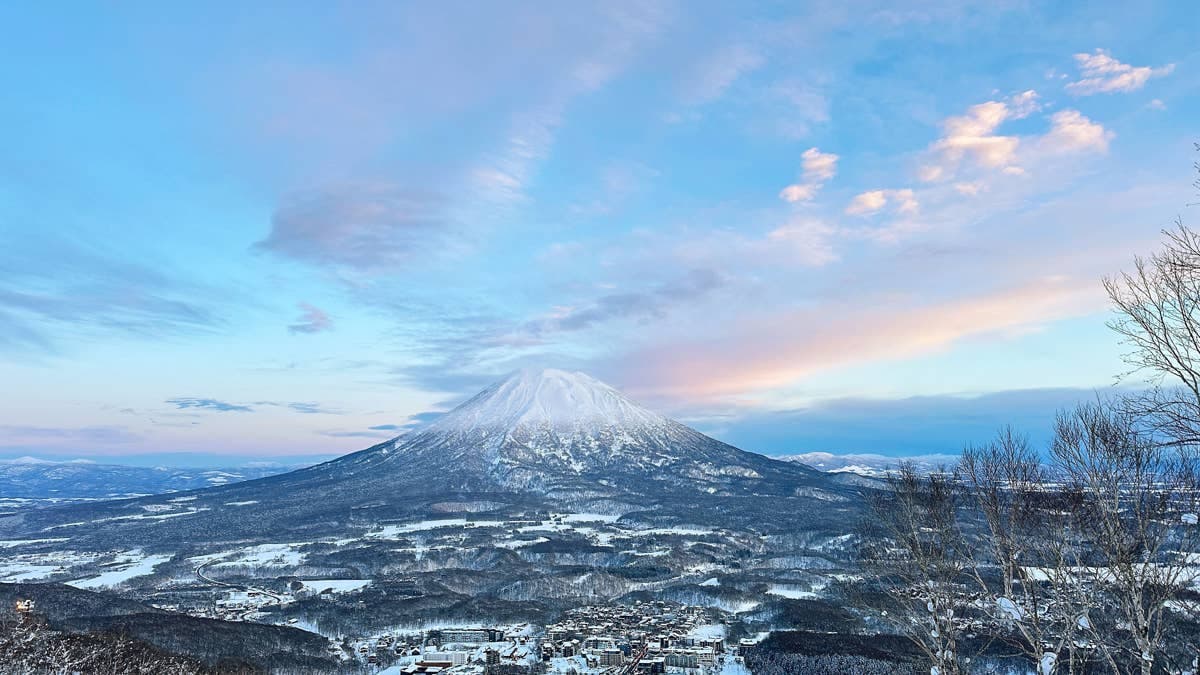
United Airlines Just Made Getting to Japan’s Legendary Powder Easier
Companies Mentioned
Why It Matters
Direct U.S.–Sapporo service opens a high‑value ski‑tourism market, potentially boosting United’s premium revenue and strengthening its position in the competitive trans‑Pacific corridor.
Key Takeaways
- •United starts nonstop SFO‑Sapporo flights Dec 11, three times weekly.
- •Service connects from ~80 U.S. cities, expanding ski‑tourist reach.
- •Boeing 787‑9 Dreamliner will operate the new Japan route.
- •United also adds Chicago‑Tokyo nonstop, enhancing its Asia hub.
- •Direct access may boost Hokkaido’s winter tourism and United’s premium yields.
Pulse Analysis
United’s decision to open a nonstop San Francisco‑Sapporo corridor reflects a growing appetite among American travelers for direct access to Japan’s premier powder resorts. Hokkaido’s ski towns, especially Niseko and Rusutsu, have long relied on multi‑stop itineraries that add cost and travel fatigue. By offering a three‑times‑weekly service from a major West Coast hub, United removes a logistical barrier, positioning itself as the carrier of choice for affluent ski enthusiasts seeking fresh snow, vibrant nightlife, and the iconic Sapporo Snow Festival.
From a strategic standpoint, the route dovetails with United’s broader Asia‑Pacific ambitions. The Boeing 787‑9 Dreamliner, known for its fuel efficiency and cabin comfort, aligns with United’s premium‑product push, allowing the airline to capture higher‑margin fare classes on a leisure‑heavy market. The simultaneous rollout of a Chicago‑Tokyo nonstop further cements United’s bid to compete with Japan Airlines, ANA, and Delta on trans‑Pacific traffic, offering more seamless connections for business and leisure travelers alike. The new Sapporo link also diversifies United’s network beyond the traditional Tokyo‑Osaka hubs, reducing reliance on congested slots and enhancing schedule flexibility.
The ripple effect extends to the ski‑tourism ecosystem in Hokkaido. Direct flights are likely to stimulate visitor numbers, benefiting local resorts, hospitality providers, and ancillary services such as ski‑pass operators like Epic, Ikon, and Indy. Increased inbound traffic can translate into higher ancillary revenues for United through baggage, seat‑selection, and premium‑cabin upgrades. Moreover, the route underscores a broader industry trend where airlines tailor schedules to niche leisure segments, leveraging aircraft like the Dreamliner to balance capacity with demand while delivering a compelling value proposition for both the carrier and destination economies.
United Airlines Just Made Getting to Japan’s Legendary Powder Easier
Comments
Want to join the conversation?
Loading comments...