United Tries to Offset Temporary High Fuel Costs With Permanent Fare and Fee Increases

Key Takeaways
- •United adds Basic fare tier to premium long‑haul cabins.
- •Polaris Basic still includes United Club lounge access.
- •First bag fee jumps to $45, up to $50 total.
- •Bag fees rise to $200 for three bags.
- •Changes aim to offset rising fuel costs and sustain earnings.
Pulse Analysis
United Airlines is confronting the same fuel‑price squeeze that has forced legacy carriers to rethink their revenue models. With jet fuel projected to hover above $2.50 per gallon for the foreseeable future, airlines are turning to ancillary sources—such as baggage fees and differentiated fare classes—to protect operating margins. United’s latest pricing adjustments, announced ahead of its first‑quarter 2026 earnings, illustrate a proactive stance: rather than waiting for quarterly results, the carrier is reshaping its fare architecture to lock in higher yields before fuel costs potentially normalize.
The introduction of a Basic tier inside United’s Premium Plus and Polaris cabins marks a subtle but significant shift in premium‑cabin economics. By stripping away certain amenities—most notably full Polaris lounge access—United can price these seats lower while still filling capacity that would otherwise sit empty. The move mirrors European rivals such as Lufthansa, which have already deployed “Light” fare options on long‑haul routes. For United, the strategy creates a price ladder that nudges price‑sensitive travelers toward higher‑priced bundles, thereby boosting overall revenue per available seat‑kilometer (RASK).
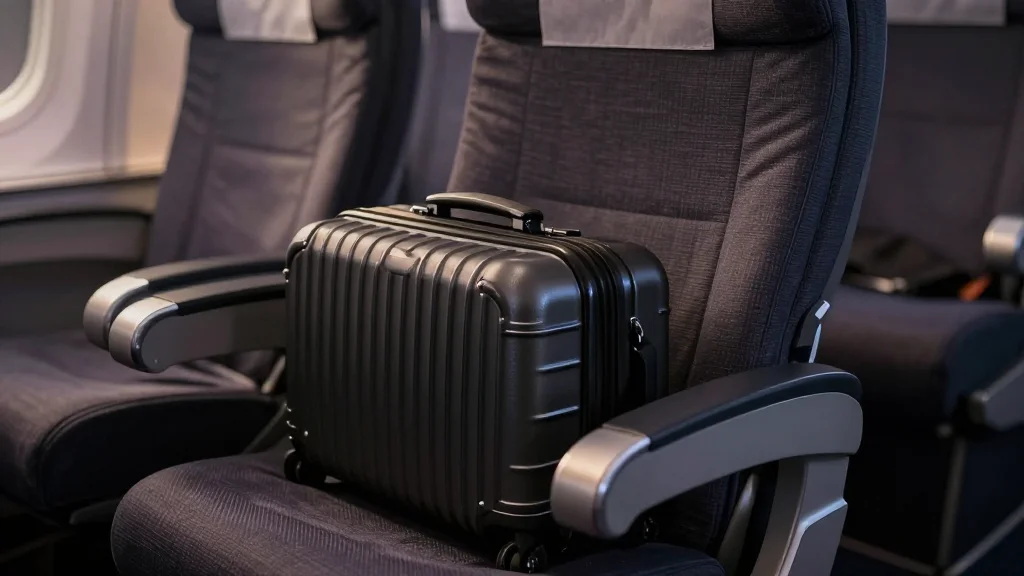
The $10 hike in United’s prepaid checked‑bag fee—raising the baseline from $35 to $45 and pushing the first domestic bag to as much as $50—adds a new layer to the airline’s ancillary revenue engine. While frequent flyers and credit‑card holders can still waive the charge, the higher fee increases the perceived value of loyalty programs and may justify future annual‑fee hikes. Industry analysts see this as part of a broader trend where U.S. carriers, from JetBlue to Delta, are extracting more cash from non‑ticket sources to offset volatile fuel expenses and sustain profitability.
United Tries to Offset Temporary High Fuel Costs With Permanent Fare and Fee Increases
Comments
Want to join the conversation?