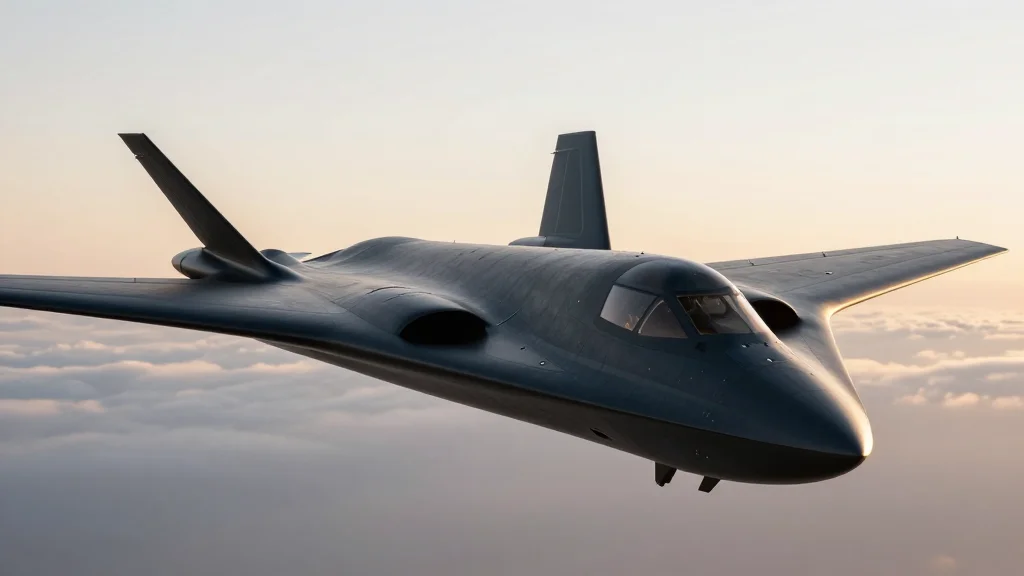
U.S. Air Force B‑21 Raider Wraps Critical Flight‑Test Campaign Ahead of Schedule

Companies Mentioned
Why It Matters
The B‑21 Raider represents the United States’ most advanced strategic bomber, combining stealth, long‑range strike, and modern digital architecture. Completing its critical flight‑test campaign ahead of schedule not only validates the aircraft’s design but also signals that the program can stay on track despite budgetary pressures and technical challenges that have delayed prior bomber projects. A timely fielding of the B‑21 will reinforce U.S. deterrence, provide flexible conventional strike options, and maintain a credible nuclear deterrent in an era of rapid advancements in anti‑access/area‑denial (A2/AD) systems. Moreover, the milestone has ripple effects across the defense industrial base. Northrop Grumman’s production lines are poised to ramp up, creating supply‑chain activity and jobs, while the Air Force’s ability to meet its strategic bomber timeline may influence future funding decisions for other long‑range strike platforms, such as hypersonic weapons and unmanned combat aerial systems.
Key Takeaways
- •U.S. Air Force announces B‑21 Raider completed critical flight‑test campaign ahead of schedule
- •Early finish removes a major program risk and keeps the bomber on track for a late‑2020s entry into service
- •Northrop Grumman continues low‑rate production at Palmdale, California, incorporating test feedback
- •B‑21’s modular design enables rapid integration of future sensors and weapons, enhancing long‑term relevance
- •Next steps include low‑rate production testing, crew training, and operational test and evaluation slated for later this year
Pulse Analysis
The B‑21’s accelerated test timeline is a rare positive signal in a defense acquisition environment often plagued by delays. Historically, strategic bomber programs have suffered from cost overruns and schedule slips—most notably the B‑2 Spirit, which took nearly a decade from first flight to operational status. By contrast, the B‑21’s early test completion suggests that lessons learned from previous programs, such as tighter integration of contractors and the Air Force’s use of digital engineering tools, are paying dividends.
From a market perspective, the milestone strengthens Northrop Grumman’s position as the premier supplier of high‑technology aerospace platforms. The company’s ability to meet test milestones without major setbacks may translate into increased confidence from the Department of Defense and could open doors for future contracts in related domains, including unmanned aerial systems and next‑generation command‑and‑control infrastructure. Competitors like Boeing and Lockheed Martin, which are also vying for future strategic aircraft work, will need to demonstrate comparable schedule discipline to stay competitive.
Looking ahead, the B‑21’s early test success could compress the overall program timeline, potentially allowing the Air Force to achieve initial operational capability earlier than the current mid‑2020s target. An earlier fielding would give the United States a strategic edge as peer competitors invest heavily in advanced air‑defense networks and hypersonic weapons. However, the program still faces challenges, including the integration of emerging payloads, sustainment cost management, and the need to train a new generation of bomber crews. The next public briefing will be critical for assessing whether the early test success can be sustained through production and operational phases.
In sum, the B‑21’s ahead‑of‑schedule test completion is more than a program checkpoint; it is a strategic lever that could shape U.S. airpower for the next half‑century, influencing budget allocations, industrial base health, and the broader deterrence calculus.
U.S. Air Force B‑21 Raider Wraps Critical Flight‑Test Campaign Ahead of Schedule
Comments
Want to join the conversation?
Loading comments...