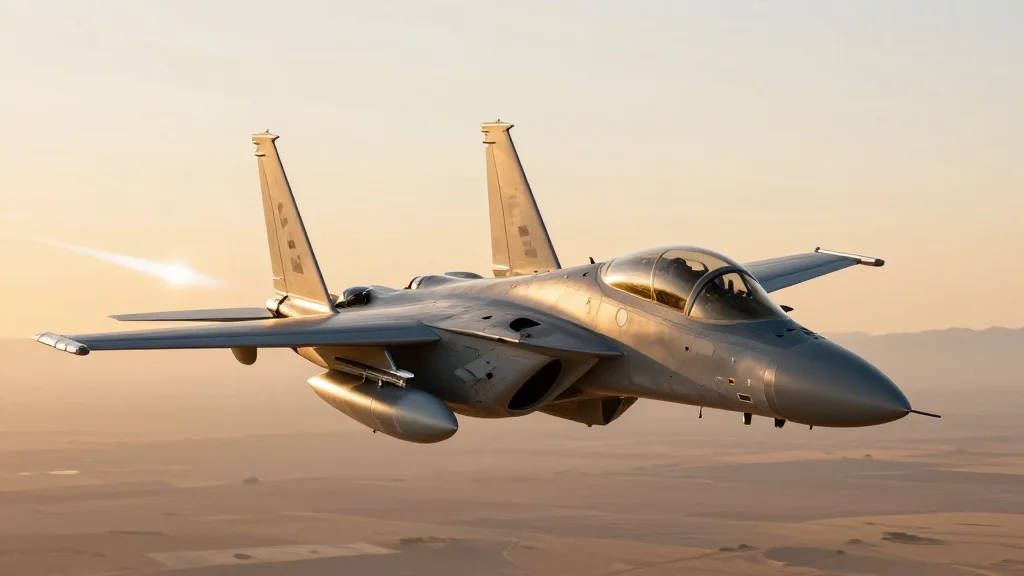
U.S. F-15E Pilot Survives Kuwait Friendly-Fire, Shot Down Again Over Iran

Why It Matters
The double shoot‑down of a single pilot highlights two converging risks for U.S. aerospace operations: the danger of misidentification among allied forces and the increasing lethality of regional air‑defense systems. Both factors pressure the Air Force to reassess tactics, technology, and coalition coordination. If not addressed, similar incidents could erode confidence in the ability to project power with legacy platforms like the F‑15E, potentially accelerating the shift toward stealthier, network‑centric aircraft. Moreover, the successful rescue of both crew members reinforces the strategic value of robust CSAR capabilities. In contested environments where downed airmen may spend days evading hostile forces, the ability to locate and extract them quickly can preserve morale, retain critical expertise, and limit political fallout from high‑profile losses.
Key Takeaways
- •U.S. F‑15E pilot ejected after a Kuwaiti friendly‑fire incident in February 2024.
- •Same pilot was shot down by an Iranian surface‑to‑air missile on April 3, 2024.
- •Gen. Dan Caine praised the crew’s “grit and warfighting tenacity” during a White House briefing.
- •Retired Lt. Gen. David Deptula called the double downing “highly unusual,” likening it to “getting hit by lightning twice.”
- •Pentagon referred further questions to U.S. Central Command, which declined comment.
Pulse Analysis
The twin shoot‑downs expose a fault line in the U.S. approach to coalition air operations. The February incident was a classic case of fratricide, a problem that has haunted joint missions since the Gulf War. Modern coalition frameworks rely heavily on shared identification friend or foe (IFF) data, yet the incident suggests that real‑time deconfliction mechanisms remain fragile, especially when rapid, high‑tempo sorties are launched. A post‑incident review will likely push for tighter data‑link integration and perhaps the deployment of portable IFF transponders for allied aircraft.
On the adversary side, Iran’s ability to bring down a fourth‑generation fighter with a surface‑to‑air missile signals a maturing air‑defense capability. The F‑15E’s legacy avionics, while upgraded, were not designed to counter the latest generation of low‑observable, high‑speed missiles that Iran has reportedly acquired from Russia and China. This may accelerate the Air Force’s push to field the F‑15EX and integrate advanced electronic warfare pods across the fleet. The incident also underscores the strategic value of stealth platforms such as the F‑35, which can operate with a reduced radar signature in heavily defended airspace.
Finally, the rescue operation, though ultimately successful, revealed the logistical strain of CSAR missions in a theater where hostile forces can quickly mobilize. The pilot’s rescue within hours contrasted sharply with the weapons system officer’s two‑day evasion, highlighting the need for faster, more autonomous recovery assets—perhaps leveraging unmanned aerial systems for real‑time location and extraction support. As the Middle East remains a flashpoint, the lessons from this rare double downing will shape procurement, training, and alliance coordination for years to come.
U.S. F-15E Pilot Survives Kuwait Friendly-Fire, Shot Down Again Over Iran
Comments
Want to join the conversation?
Loading comments...