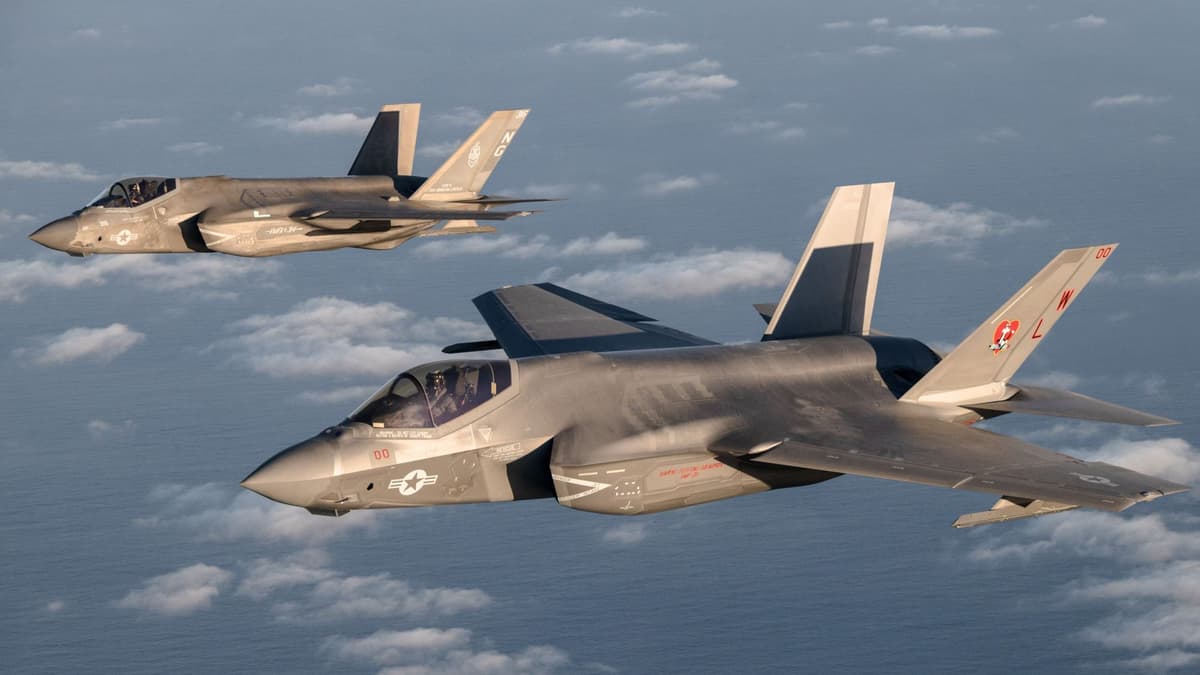
U.S. F-35C Shoots Down Iranian Drone Heading for USS Lincoln
•February 3, 2026
0
Key Takeaways
- •F‑35C downed Iranian Shahed‑139 near USS Lincoln.
- •Drone approached carrier 500 miles off Iran, intent unclear.
- •Incident followed IRGC threat to merchant vessel in Hormuz.
- •Lincoln CSG redeployed from Indo‑Pacific to Middle East.
- •Highlights carrier‑based F‑35 combat role in contested waters.
Summary
On February 3 2026 a U.S. F‑35C launched from the USS Abraham Lincoln shot down an Iranian Shahed‑139 drone that was aggressively approaching the carrier in the Arabian Sea, roughly 500 miles off Iran’s coast. The intercept came after de‑escalatory measures failed to divert the UAV, which posed an uncertain threat to the ship and its crew. The incident occurred alongside an IRGC‑linked harassment of a merchant vessel in the Strait of Hormuz. The Lincoln carrier strike group had recently been retasked from the Indo‑Pacific to the Middle East to bolster regional security.
Pulse Analysis
The interception underscores the expanding combat envelope of the carrier‑based F‑35C. Operating from the flight deck of USS Abraham Lincoln, the stealth fighter can scramble within minutes, fuse sensor data, and engage low‑observable threats with AIM‑9X or AIM‑120 missiles. By neutralizing the Shahed‑139 before it reached the flight deck, the Navy demonstrated that fifth‑generation aircraft are now integral to ship‑self‑defence, not just air‑to‑ground strike platforms. This capability reinforces the carrier strike group’s ability to project power while safeguarding its most valuable asset – the carrier itself.
The Shahed‑139, Iran’s medium‑altitude long‑endurance UAV, mirrors the U.S. MQ‑1 Predator in shape but can carry up to four missiles, according to open‑source estimates. Its deployment in the Arabian Sea reflects Tehran’s strategy of using swarming drones to test adversary resolve and gather intelligence. The aggressive trajectory toward Lincoln, despite de‑escalatory signals, suggests a willingness to blur the line between surveillance and kinetic threat. Coupled with simultaneous IRGC boat harassment of the Stena Imperative, the episode signals a coordinated pressure campaign in the Strait of Hormuz corridor.
From a strategic perspective, the incident may prompt a recalibration of rules of engagement for carrier groups operating near contested waterways. The successful use of an F‑35C for air‑to‑air interception validates ongoing investments in integrating stealth fighters with ship‑based radar and combat systems. It also sends a clear deterrent message to regional actors: any hostile UAV approaching a U.S. carrier will be met with decisive force. As the Lincoln CSG continues its Middle East deployment, policymakers will weigh the risk of escalation against the need to maintain freedom of navigation and protect commercial shipping.
Comments
Want to join the conversation?