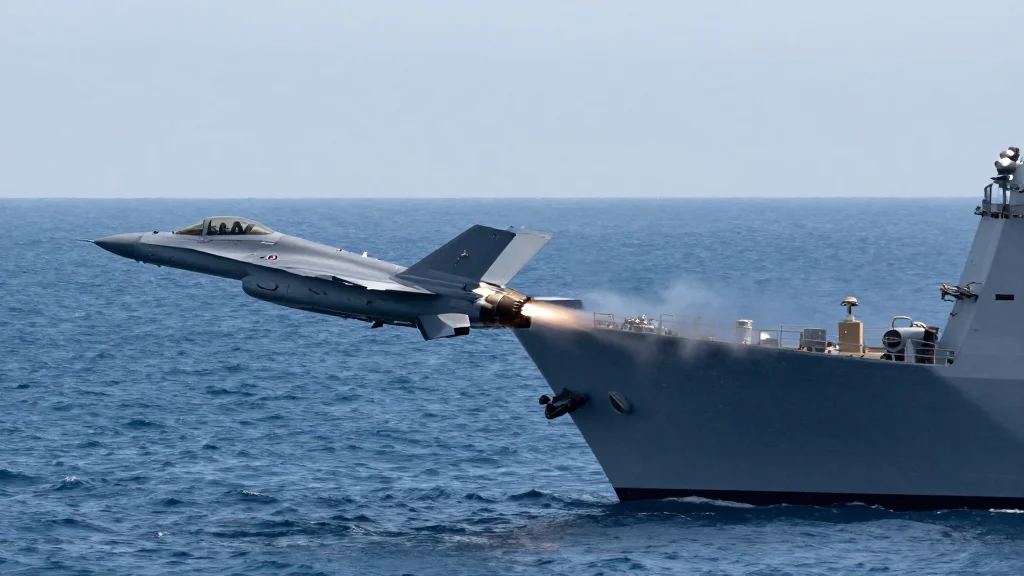
U.S. Navy Super Hornet Disables Iranian Oil Tanker With 20mm Cannon
Why It Matters
The action signals a heightened U.S. posture against Iran’s oil transport network, potentially deterring further sanction‑busting shipments. It also raises the likelihood of escalation, affecting global oil markets and regional security calculations.
Key Takeaways
- •Super Hornet used 20mm cannon to impair tanker rudder
- •Incident occurred in international waters during Operation Epic Fury
- •Shows US resolve to enforce maritime sanctions on Iran
- •Raises risk for commercial shipping near Iranian waters
- •Potential Iranian retaliation could heighten regional tensions
Pulse Analysis
Operation Epic Fury reflects a strategic shift in U.S. naval policy, moving from passive monitoring to proactive interdiction of vessels suspected of violating sanctions on Iran. By targeting an oil tanker that was believed to be funneling revenue to Tehran, the Navy reinforced the message that illicit maritime activity will meet decisive action, even in the high‑risk environment of the Persian Gulf. This approach aligns with broader diplomatic pressure and aims to choke off funding streams that sustain Tehran’s regional proxies.
The decision to employ a 20 mm cannon, rather than a missile or torpedo, illustrates a calibrated use of force designed to neutralize a target without causing catastrophic loss of life or environmental damage. The cannon’s rapid‑fire capability can disable critical ship systems, such as rudders or steering gear, while limiting collateral damage. This tactic fits within the rules of engagement that prioritize proportionality and escalation control, offering a middle ground between warning shots and lethal strikes. Analysts note that such precision engagements may become more common as navies seek to enforce sanctions while managing political fallout.
Economically, the incident sends ripples through global oil markets, where any disruption to Iranian shipments can tighten supply and elevate prices. Shipping insurers are likely to reassess risk premiums for vessels operating near contested waters, potentially increasing freight costs. Moreover, the episode may prompt regional actors to recalibrate their naval postures, either by bolstering defensive capabilities or by seeking diplomatic avenues to de‑escalate. As the United States continues to leverage its maritime superiority, stakeholders across the energy sector will watch closely for further developments that could reshape trade routes and market stability.
U.S. Navy Super Hornet Disables Iranian Oil Tanker With 20mm Cannon
Comments
Want to join the conversation?
Loading comments...