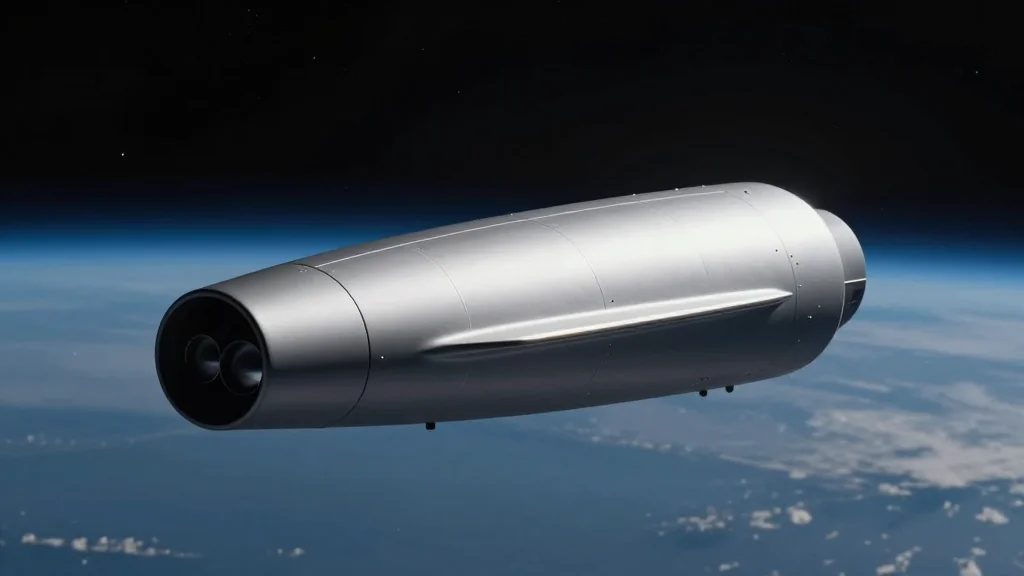
U.S. Space Force Awards up to $3.2 Billion to 12 Firms for Golden Dome Orbital Interceptor Program

Companies Mentioned
Why It Matters
The Golden Dome interceptor program represents the first formal U.S. effort to place kinetic missile‑defense assets in orbit, a capability that could fundamentally reshape the nation’s layered defense strategy. By targeting threats in the boost phase, the system promises to neutralize missiles before they can deploy countermeasures, potentially closing a critical gap in current ground‑ and sea‑based defenses. Beyond the immediate defense benefits, the program tests a new acquisition model that blends traditional defense contracting with Silicon‑Valley‑style rapid prototyping. Success could set a precedent for future high‑tech weapons programs, encouraging broader participation from commercial space firms and accelerating the pace of innovation across the defense industrial base.
Key Takeaways
- •U.S. Space Force awarded up to $3.2 billion in OTA contracts to 12 vendors for space‑based interceptor prototypes.
- •Demonstration of an initial capability is targeted for 2028, with detailed design reviews in late 2026.
- •Vendors include legacy contractors (Lockheed Martin, Raytheon) and newer firms (Anduril, Turion Space).
- •Gen. Mike Guetlein warned affordability will determine whether the interceptors move to production.
- •FY 2027 budget request includes nearly $400 million to sustain development and testing.
Pulse Analysis
The Golden Dome interceptor awards signal a decisive shift in U.S. missile‑defense doctrine, moving from a purely terrestrial shield to a hybrid architecture that leverages space. Historically, the United States has relied on ground‑based interceptors like the Patriot and THAAD systems, which engage threats during mid‑course or terminal phases. By attempting boost‑phase engagement from low‑Earth orbit, the Space Force hopes to pre‑emptively destroy missiles before they can maneuver or release decoys, a capability that could neutralize the speed advantage of hypersonic weapons.
However, the program’s success hinges on two intertwined challenges: technical feasibility and cost‑effectiveness. The physics of intercepting a missile in its seconds‑long boost phase from orbit are daunting, requiring ultra‑fast sensors, high‑thrust kill vehicles and robust AI decision‑making. Simultaneously, the Pentagon must avoid a classic cost‑exchange problem where each interceptor costs far more than the missile it defeats. The OTA model, by fostering competition among a diverse set of vendors, is an attempt to drive down unit costs while preserving rapid innovation cycles.
If the 2028 demonstration proves the concept, the next phase will likely involve scaling the constellation to hundreds of satellites—a move that could reshape the defense procurement landscape. It would also raise strategic questions about weaponization of space, treaty interpretations and the potential for an arms race in orbital missile defense. Stakeholders will be watching closely as budget hearings unfold and as the selected firms move from paper designs to flight‑tested hardware.
U.S. Space Force awards up to $3.2 Billion to 12 firms for Golden Dome orbital interceptor program
Comments
Want to join the conversation?
Loading comments...