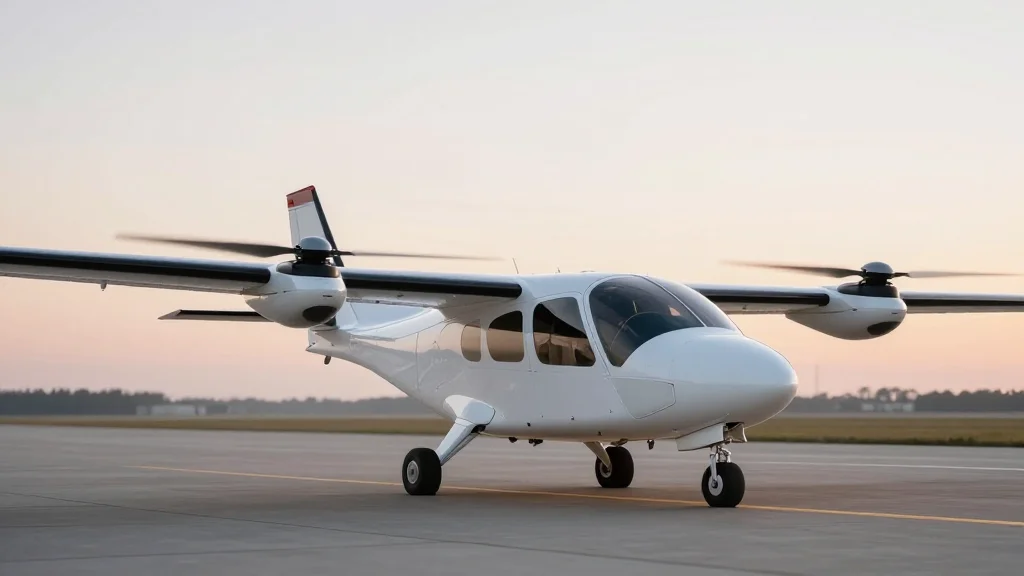
Vertical Aerospace Starts Hybrid‑Electric Tests and Rolls Out First All‑Electric Valo Battery

Companies Mentioned
Why It Matters
The progress announced by Vertical Aerospace could accelerate the rollout of urban air mobility services by addressing two critical barriers: limited range and supply‑chain security. A hybrid‑electric Valo capable of 1,000 miles would enable inter‑city routes and longer‑duration missions, expanding the market beyond short‑haul commuter flights. In‑house battery production also reduces exposure to global semiconductor and cell shortages, giving Vertical a competitive edge in meeting certification timelines and scaling production. If the hybrid system meets performance and safety targets, it may set a new benchmark for eVTOL design, prompting other manufacturers to explore similar architectures. This could diversify the UAM ecosystem, attract defense contracts, and influence regulatory frameworks that currently favor pure‑electric solutions.
Key Takeaways
- •Hybrid‑electric propulsion testing began at Cotswold Airport's HYPER facility
- •First all‑electric Valo battery produced on upgraded Bristol assembly line
- •Hybrid variant targets 1,000‑mile range and up to 1,100 kg payload
- •All‑electric Valo aims for type certification by 2028; hybrid by 2030s
- •Vertical Aerospace seeks to secure supply chain and expand into defense markets
Pulse Analysis
Vertical Aerospace’s simultaneous push on hybrid propulsion and battery manufacturing reflects a strategic bet that range and supply‑chain resilience will become decisive factors in the eVTOL market. While pure‑electric designs dominate current certification pipelines, they are constrained by energy density limits that cap range to roughly 150 miles. By integrating a SAF‑compatible turbine, Vertical not only multiplies range but also offers a pathway to lower emissions for longer missions, aligning with emerging sustainability mandates for aviation.
The decision to produce batteries in‑house mitigates the risk of component shortages that have plagued the broader aerospace sector since 2022. Controlling the manufacturing process also allows Vertical to tailor cell chemistry and packaging to the specific thermal and power demands of vertical flight, potentially improving safety margins and performance consistency. Competitors that rely on external suppliers may face longer lead times and higher costs, especially as demand for high‑power cells surges.
Regulators will be the next gatekeepers. Hybrid systems introduce new certification challenges, particularly around turbine‑generator integration and emergency power management. If Vertical can demonstrate reliable, safe operation, it could prompt the European Union Aviation Safety Agency (EASA) and the FAA to develop hybrid‑specific certification pathways, opening the door for a broader class of eVTOL aircraft. Conversely, any setbacks could reinforce the industry’s focus on pure‑electric solutions, limiting the market to short‑range urban corridors. The coming months will therefore be pivotal in determining whether hybrid‑electric eVTOLs become a mainstream reality or remain a niche offering.
Vertical Aerospace Starts Hybrid‑Electric Tests and Rolls Out First All‑Electric Valo Battery
Comments
Want to join the conversation?
Loading comments...