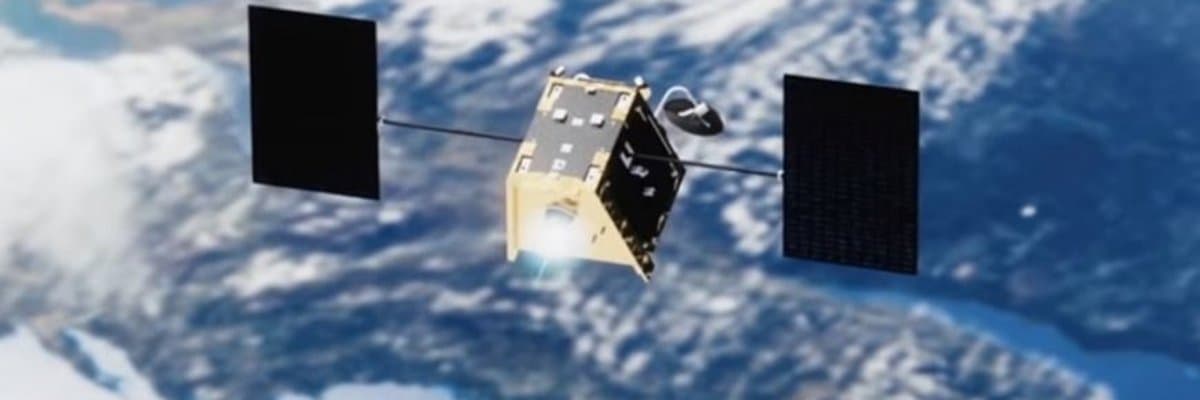
Viasat Hosts First Satellite-Enabled Phone Comms in Uzbekistan
Why It Matters
The demo proves satellite‑to‑phone connectivity at scale, unlocking reliable communications for remote industrial sites and IoT devices, a critical step for Uzbekistan’s ambitious economic growth. It also reinforces Viasat’s leadership in the emerging D2D market, signaling broader adoption across emerging economies.
Key Takeaways
- •Viasat demo sent native SMS between Android phones via satellite in Uzbekistan
- •Direct‑to‑device tech follows 3GPP standards, works with existing smartphones
- •Uzbekistan targets $14 bn industrial projects in 2026, boosting demand for connectivity
- •D2D could unlock always‑on links for IoT and safety in remote regions
- •Viasat partners Skylo and Space42 to expand global satellite‑to‑phone services
Pulse Analysis
Uzbekistan’s first satellite‑enabled direct‑to‑device (D2D) demonstration marks a pivotal moment for connectivity in a double‑landlocked market traditionally dependent on terrestrial networks. By leveraging Viasat’s L‑band satellite fleet and 3GPP non‑terrestrial standards, the trial showed that ordinary Android smartphones can exchange native SMS without dedicated ground terminals. This capability aligns with the country’s aggressive industrial agenda, which includes $14 bn of projects slated for 2026 and a target GDP of $240‑$250 bn by 2030, underscoring the need for resilient, always‑on communications in remote factories, mines and logistics hubs.
The broader significance of D2D lies in its ability to bridge the digital divide for both consumers and the burgeoning Internet of Things (IoT) ecosystem. Unlike traditional satellite phones that require bulky hardware, D2D integrates directly with mass‑market devices, reducing costs and simplifying deployment. For sectors such as agriculture, energy and transportation, this translates into real‑time monitoring, safety alerts and operational efficiencies that were previously unattainable in sparsely covered regions. Moreover, adherence to global 3GPP standards ensures interoperability with existing mobile networks, facilitating a seamless hybrid architecture that can dynamically shift traffic between terrestrial and satellite links based on coverage and capacity.
Viasat’s strategic partnerships amplify the commercial potential of this technology. Skylo supplies licensed mobile satellite spectrum to avoid interference, while Space42’s AI‑driven SpaceTech expertise fuels the development of Equatys, a joint venture aimed at delivering global D2D services and evolving toward 5G‑compatible satellite connectivity. As other emerging markets, such as Mexico, have already witnessed similar trials, the Uzbekistan demo signals a scaling trajectory for D2D solutions worldwide. Investors and telecom operators should monitor regulatory developments and spectrum allocations, as these will dictate the speed at which satellite‑to‑phone services become a mainstream component of the global communications fabric.
Viasat hosts first satellite-enabled phone comms in Uzbekistan
Comments
Want to join the conversation?
Loading comments...