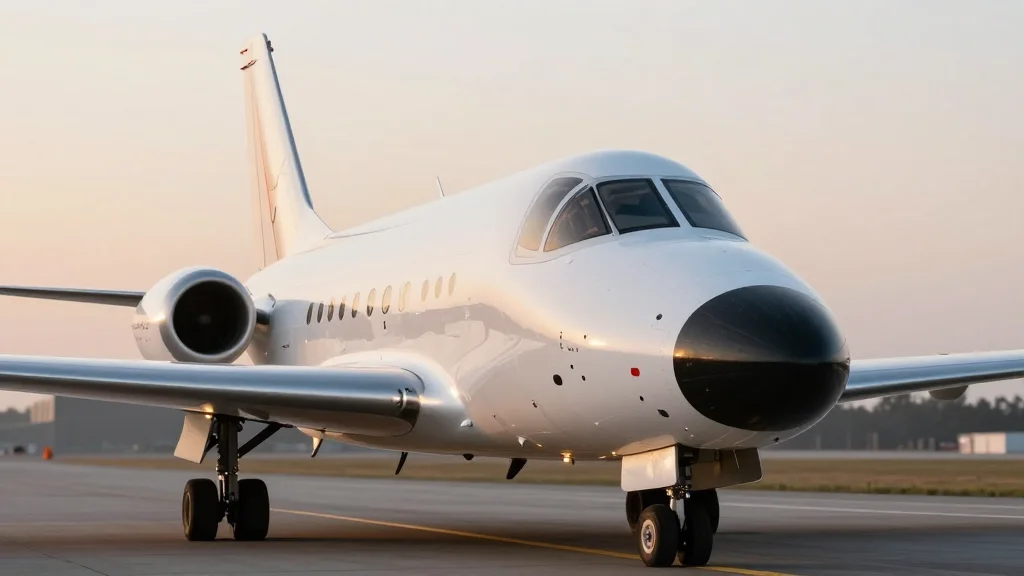
Virgin Galactic Restarts Ticket Sales at $750,000 per Seat, 50 Spots Open

Companies Mentioned

Why It Matters
Resuming ticket sales at a higher price marks a pivotal moment for the nascent space‑tourism market, signaling that commercial operators are moving from experimental phases to revenue‑generating businesses. The $750,000 price tag not only reflects the steep capital outlays required for reusable sub‑orbital vehicles but also sets a premium benchmark that could shape consumer expectations and competitive dynamics for years to come. The influx of cash from the 50 newly sold seats will provide Virgin Galactic with a modest runway to fund ground‑testing, flight‑testing, and the scaling of its production line. Successful execution could validate the viability of a twice‑weekly flight schedule, potentially lowering per‑seat costs over time and making sub‑orbital travel more accessible to a broader segment of affluent travelers.
Key Takeaways
- •Virgin Galactic reopens ticket sales with 50 seats at $750,000 each
- •Price up $150,000 from the previous $600,000 offering
- •Flight testing of next‑gen SpaceShip slated for Q3 2026; commercial service Q4 2026
- •Company reported a $279 million net loss and $438 million negative free cash flow in 2025
- •More than 675 customers remain on the waiting list for sub‑orbital flights
Pulse Analysis
Virgin Galactic’s decision to raise ticket prices while reopening sales reflects a strategic bet on scarcity and premium branding. By limiting the initial offering to 50 seats, the company creates a sense of exclusivity that can justify the $750,000 price point, especially among ultra‑wealthy clients who view space travel as a status symbol. This approach mirrors early luxury markets where limited supply drives demand, but it also risks alienating a segment of early adopters who were attracted by the lower $600,000 price.
From a financial perspective, the ticket revenue will partially offset the sizable cash burn highlighted in the 2025 results. However, the underlying economics remain fragile; the company must achieve a high flight frequency and maintain safety records to avoid further cost overruns. The planned shift to a twice‑weekly schedule is ambitious, requiring not only additional spacecraft but also a robust supply chain for rapid turnaround and maintenance. If Virgin Galactic can meet these operational targets, it could achieve economies of scale that lower the per‑seat cost, making future price adjustments more palatable.
Competitively, the move puts pressure on Blue Origin, which has paused its tourist flights, and on SpaceX, which has not signaled an immediate sub‑orbital offering. The price gap may incentivize Blue Origin to revisit its pricing strategy or accelerate its own vehicle development to recapture market share. Meanwhile, SpaceX’s focus on orbital missions keeps it out of direct competition for the sub‑orbital niche, at least for now. In the broader context, Virgin Galactic’s pricing decision could set a de‑facto ceiling for sub‑orbital tourism, influencing how investors evaluate the risk‑return profile of emerging space‑flight companies.
Virgin Galactic Restarts Ticket Sales at $750,000 per Seat, 50 Spots Open
Comments
Want to join the conversation?
Loading comments...