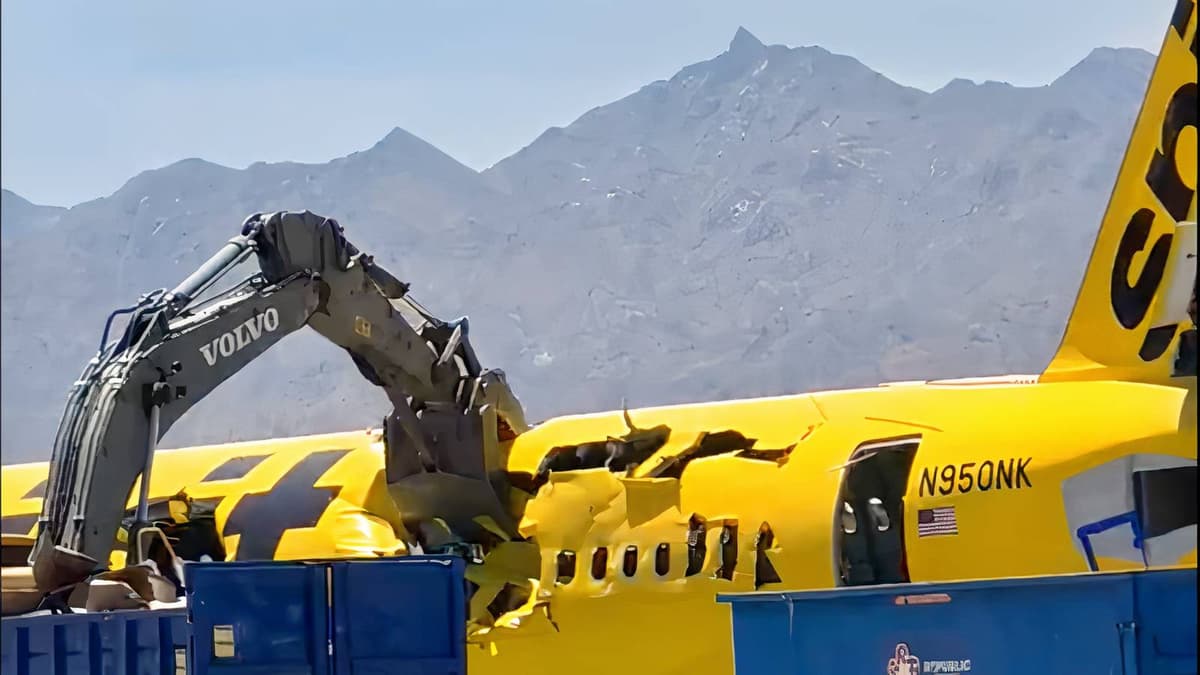
Why Some Carriers Are Stripping Perfectly Good Airbus A321neos For Parts
Companies Mentioned
Why It Matters
The GTF shortage forces airlines to choose between costly storage and part‑out revenue, reshaping fleet economics and accelerating growth in the aircraft‑components aftermarket.
Key Takeaways
- •One-third of GTF‑powered Airbus fleet grounded or stored
- •Over 600 A321neos dismantled after just a few years
- •Engine scarcity drives part‑out market valued in billions
- •Investors recover nearly all components, boosting aftermarket profitability
Pulse Analysis
The Airbus A321neo was hailed as a fuel‑efficient workhorse, but the Pratt & Whitney geared turbofan crisis has upended that narrative. Inspections, powder‑metal issues, and long repair lead times have left roughly 636 GTF‑powered jets—about 33% of the fleet—parked in deserts and storage bays. With demand for air travel still robust, airlines cannot simply wait for engines to return, prompting a hard choice: keep an idle aircraft on the books or monetize its parts.
Teardown specialists like eCube have turned this challenge into a lucrative opportunity. By stripping aircraft for engines, nacelles, landing gear and even cabin interiors, they can recoup or recycle nearly 100% of the value, often at prices that exceed the revenue an under‑utilized aircraft could generate. Private‑equity funds have poured billions into acquiring whole airframes solely for part‑out, creating a fast‑growing aftermarket that rivals traditional leasing models. The economics are stark: a GTF engine can be worth more than $200,000 per month, making the component itself more valuable than the aircraft’s passenger‑revenue potential.
The longer‑term outlook hinges on how quickly Pratt & Whitney can resolve the GTF bottleneck. If inspections and repairs accelerate, the pressure to part‑out may ease, allowing airlines to redeploy their A321neos and restore capacity. Until then, carriers must factor engine scarcity into fleet planning, potentially accelerating lease returns or accelerating purchases of CFM‑powered alternatives. The current scenario underscores how a single engine family can reshape the entire narrow‑body market, influencing aircraft values, leasing strategies, and the growth trajectory of the aviation aftermarket.
Why Some Carriers Are Stripping Perfectly Good Airbus A321neos For Parts
Comments
Want to join the conversation?
Loading comments...