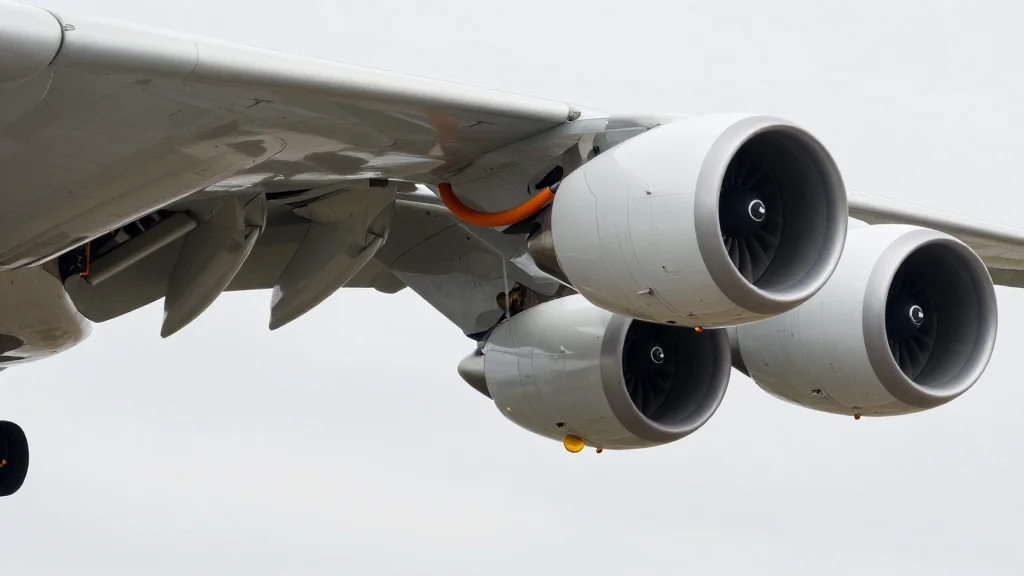
Why The Airbus A380's 4-Engine Layout Costs Airlines Millions More Per Year Than Twin-Engine Rivals
Companies Mentioned

Why It Matters
The A380’s operating penalties erode airline profitability and accelerate fleet simplification, reshaping long‑haul network economics and reinforcing twin‑engine aircraft as the industry’s cost‑effective standard.
Key Takeaways
- •A380 consumes ~4,600 gallons fuel per hour, about twice twin‑jets
- •Fuel cost at $2.50/gal adds roughly $11,500 hourly to A380 operations
- •Engine upkeep reaches $6,000‑$8,000 per hour, double that of twin‑engine rivals
- •Code F airport fees and ground handling inflate A380 turn costs significantly
- •Airlines favor twins for flexibility, lower break‑even load factor, and fleet simplification
Pulse Analysis
The Airbus A380 was born in an era when four‑engine aircraft enjoyed regulatory protection on long‑over‑water routes. Since the introduction of Extended‑range Twin‑engine Operational Performance Standards (ETOPS), twin‑jets such as the A350‑900 and Boeing 787 can now fly the same trans‑oceanic tracks with 180‑minute or greater diversion allowances. This regulatory shift removed the primary justification for a quad‑engine layout, allowing airlines to achieve identical network reach with far fewer powerplants, dramatically reducing fuel burn and operational risk.
Beyond fuel savings, the A380’s four turbofans generate a steep maintenance premium. Each flight hour incurs $6,000‑$8,000 in engine‑related labor and parts, roughly twice the cost of a twin‑engine widebody. Combined with a fuel burn of about 4,600 gallons per hour—translating to an extra $11,500 in hourly fuel expense—the aircraft’s total operating cost can exceed $55,000 per hour. Moreover, its Code F classification forces airports to levy higher landing fees and invest in reinforced taxiways, further inflating turn‑around costs.
The financial realities have driven carriers toward fleet simplification. Operating a homogeneous twin‑engine fleet cuts pilot type‑rating expenses, consolidates spare‑parts inventories, and enables more agile capacity management across seasonal demand swings. While Emirates continues to exploit the A380’s sheer passenger volume at congested hubs, most airlines are retiring the superjumbo in favor of more efficient twins that meet emission targets and deliver higher return on investment. The era of the quad‑jet is effectively over, cementing twins as the backbone of long‑haul aviation.
Why The Airbus A380's 4-Engine Layout Costs Airlines Millions More Per Year Than Twin-Engine Rivals
Comments
Want to join the conversation?
Loading comments...