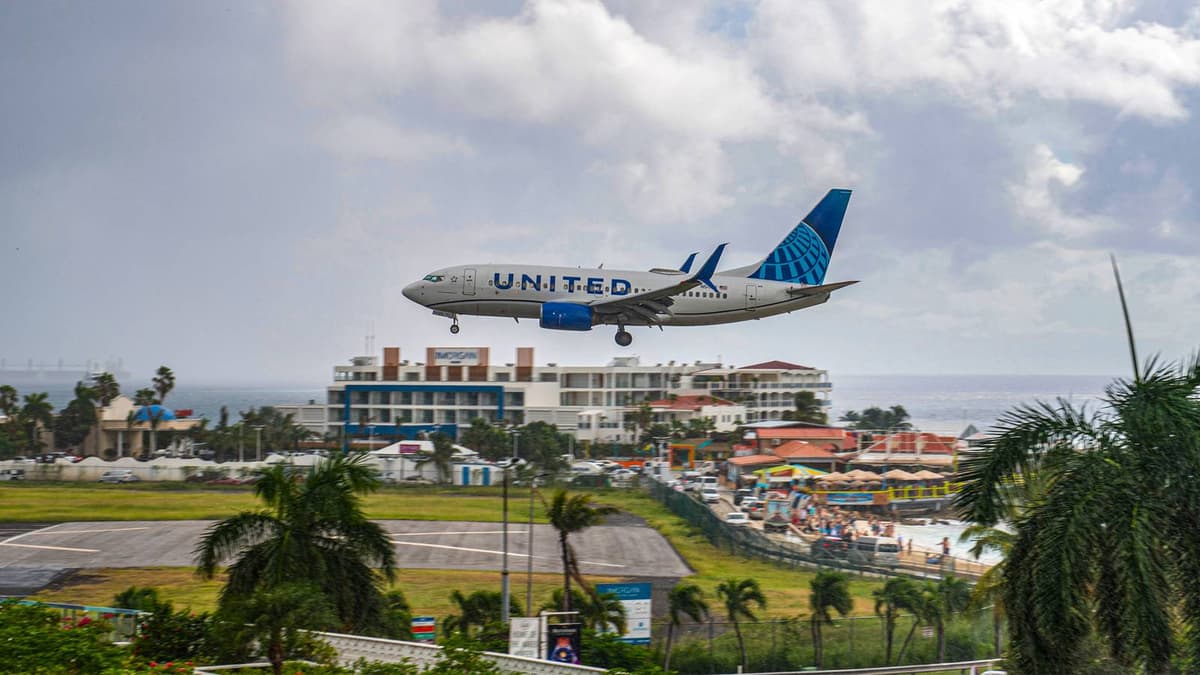
Why The Original Boeing 737-700 Concept Still Influences Fleet Strategy
•March 7, 2026
0
Companies Mentioned
Why It Matters
The 737‑700’s efficiency and commonality drive lower operating costs, shaping fleet decisions across legacy and emerging airlines while setting performance standards for next‑generation jets.
Key Takeaways
- •737-700 offers 41,000 ft service ceiling, boosting fuel efficiency
- •Southwest's 49‑minute turnarounds rely on fleet commonality
- •High thrust‑to‑weight enables hot‑and‑high, short‑field operations
- •737‑700 cockpit commonality eases pilot training across NG family
- •MAX‑7 delays keep 737‑700 in service longer
Pulse Analysis
The 737‑700’s design philosophy—maximizing range and simplicity—created a template that low‑cost carriers still emulate. By standardizing a single‑type fleet, airlines like Southwest eliminated the complexities of multi‑type maintenance, crew scheduling, and parts inventory. This operational uniformity translates into faster gate turns, higher aircraft utilization, and a cost structure that rivals even the most aggressive budget models. The aircraft’s glass cockpit also paved the way for seamless pilot transitions across the Next‑Generation family, reducing training expenses and preserving crew flexibility.
Beyond economics, the 700’s technical attributes give it a competitive edge in challenging environments. Its 25 % larger wing and 30 % greater fuel capacity enable long‑thin routes, while the 41,000‑ft service ceiling reduces drag and fuel burn, especially on congested corridors. The high thrust‑to‑weight ratio ensures reliable performance on hot‑and‑high runways, opening markets in the Andes, Tibet, and other altitude‑sensitive airports. These capabilities not only improve on‑time performance but also lower per‑seat operating costs, reinforcing the aircraft’s appeal to both legacy carriers and emerging startups.
Looking ahead, the 737‑700’s legacy is being reshaped by the delayed rollout of the 737 MAX‑7. Airlines are investing in life‑extension programs—engine overhauls, cabin refreshes, and P2F conversions—to keep the aging fleet viable. The aircraft’s proven reliability and global support network make it an attractive platform for cargo operators capitalizing on the e‑commerce boom. As the MAX‑7 eventually assumes the primary role, the 700 will likely persist in niche markets, serving remote routes and freight operations where its short‑field prowess and operational familiarity remain unmatched.
Why The Original Boeing 737-700 Concept Still Influences Fleet Strategy
0
Comments
Want to join the conversation?
Loading comments...