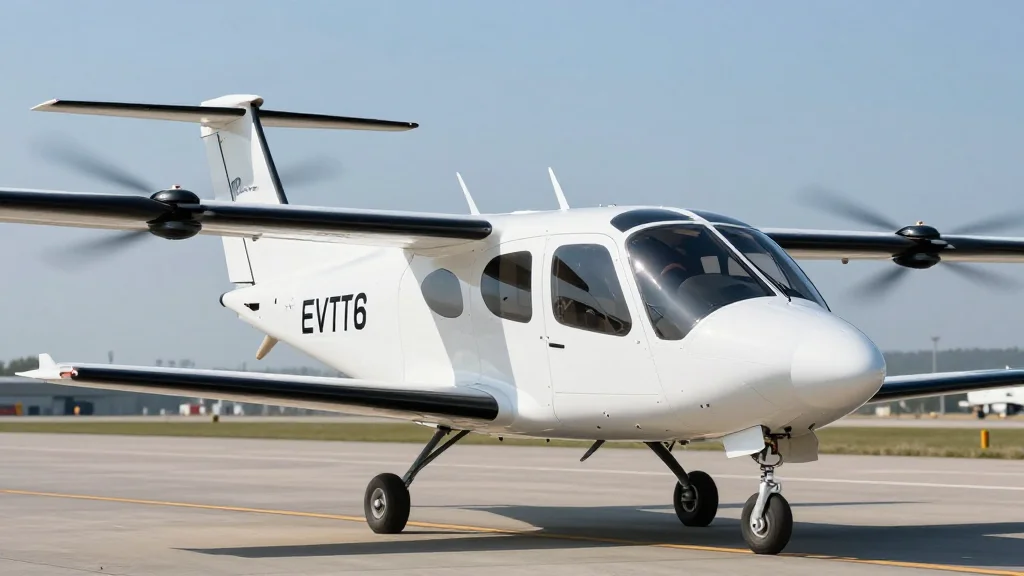
Wisk Adds Second Generation 6 eVTOL to Test Fleet, Boosting Autonomous Air‑taxi Rollout

Companies Mentioned
Why It Matters
The deployment of a second Generation 6 eVTOL accelerates Wisk’s certification timeline, a critical bottleneck for the nascent autonomous air‑taxi market. By gathering parallel flight data, Wisk can more quickly validate safety‑critical systems, potentially shortening the path to FAA approval and giving the company a competitive edge over rivals still reliant on pilot‑in‑the‑loop designs. The move also demonstrates the viability of ground‑based supervision of multiple autonomous aircraft, a model that could lower operational costs and make urban air mobility financially sustainable. Beyond Wisk, the development signals a broader industry shift toward fully autonomous operations. Regulators, infrastructure developers, and investors will gauge Wisk’s progress as a benchmark for the readiness of autonomous eVTOLs to integrate into existing air‑traffic‑management frameworks. Successful certification could unlock a wave of city‑level vertiport projects and catalyze the rollout of low‑emission, on‑demand air transport, reshaping short‑haul mobility in congested urban corridors.
Key Takeaways
- •May 4, 2026: Wisk completes first flight of its second Generation 6 eVTOL at Hollister Airport.
- •Active certification fleet now includes two Gen 6 aircraft, enabling simultaneous data collection.
- •Gen 6 specs: 50‑ft wingspan, 12 rotors, 138 mph cruise, 90‑mile range, autonomous with ground‑based supervision.
- •CEO Sebastien Vigneron highlighted faster learning and market leadership as key benefits.
- •Dual‑airframe testing aims to accelerate FAA certification and support future autonomous air‑taxi services.
Pulse Analysis
Wisk’s decision to double its Gen 6 test fleet reflects a strategic bet on speed over redundancy. Historically, eVTOL developers have staggered test aircraft introductions to manage risk and cost. By contrast, Wisk is leveraging parallel testing to compress the data‑gathering phase, a move that could shave months—or even years—from the certification schedule. This approach aligns with the broader industry pressure to monetize UAM concepts before market enthusiasm wanes.
The autonomous control architecture, centered on the Multi‑Vehicle Supervisor, is the linchpin of Wisk’s value proposition. If the company can prove that a single operator can safely oversee multiple aircraft in real‑time, it will set a new operational standard that could redefine cost structures for air‑taxi operators. Competitors that continue to rely on human pilots may face higher labor costs and slower scalability, potentially ceding market share to Wisk if regulatory bodies endorse the autonomous model.
However, the path forward is not without hurdles. The FAA’s certification framework for autonomous aircraft is still evolving, and any delay in establishing clear safety criteria could offset the gains from dual‑airframe testing. Moreover, public perception of driverless aircraft remains tentative; any high‑profile incident could erode confidence and stall deployment. Wisk’s next milestones—full transition flights and extended endurance runs—will be critical signals to investors, regulators, and city planners about the feasibility of a truly autonomous urban air mobility network.
Wisk adds second Generation 6 eVTOL to test fleet, boosting autonomous air‑taxi rollout
Comments
Want to join the conversation?
Loading comments...