Aerospace Podcasts
  • All Technology
  • AI
  • Autonomy
  • B2B Growth
  • Big Data
  • BioTech
  • ClimateTech
  • Consumer Tech
  • Crypto
  • Cybersecurity
  • DevOps
  • Digital Marketing
  • Ecommerce
  • EdTech
  • Enterprise
  • FinTech
  • GovTech
  • Hardware
  • HealthTech
  • HRTech
  • LegalTech
  • Nanotech
  • PropTech
  • Quantum
  • Robotics
  • SaaS
  • SpaceTech
AllNewsDealsSocialBlogsVideosPodcastsDigests

Aerospace Pulse

EMAIL DIGESTS

Daily

Every morning

Weekly

Sunday recap

NewsDealsSocialBlogsVideosPodcasts
AerospacePodcastsArtemis II: Inside NASA’s New Ride to the Moon
Artemis II: Inside NASA’s New Ride to the Moon
AerospaceSpaceTech

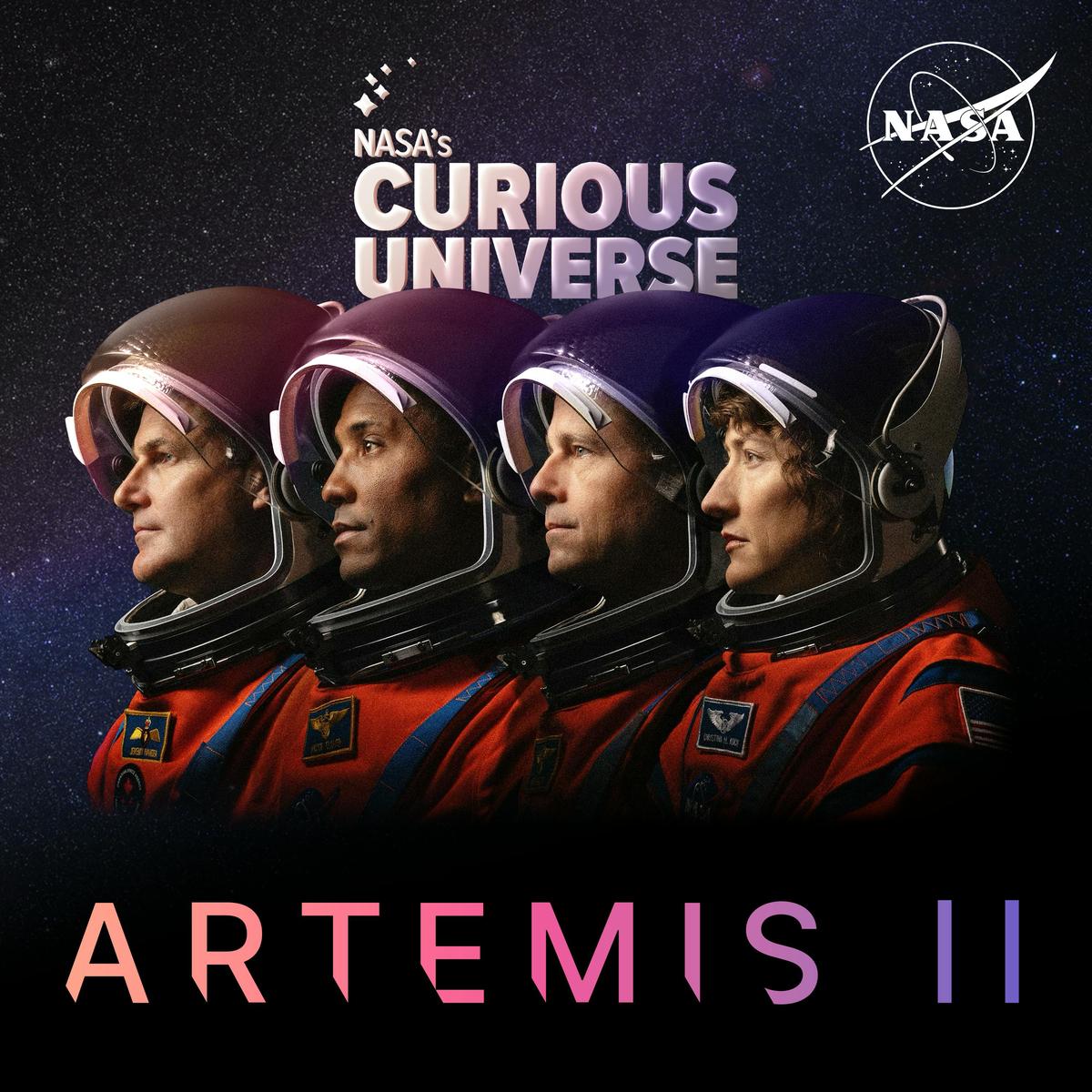
NASA’s Curious Universe

Artemis II: Inside NASA’s New Ride to the Moon

NASA’s Curious Universe
•January 27, 2026•34 min
0
NASA’s Curious Universe•Jan 27, 2026

Why It Matters

Understanding Orion’s systems and the SLS’s performance is crucial because Artemis II validates the hardware that will enable sustainable lunar exploration and the next leap toward human missions to Mars. The episode offers a rare behind‑the‑scenes look at the engineering and crew perspectives that shape the future of deep‑space travel, making it timely as the launch window approaches.

Key Takeaways

  • •Orion capsule will carry four astronauts around Moon in 2024
  • •SLS rocket provides 8 million pounds thrust for Artemis II
  • •Crew named spacecraft “Integrity,” reflecting core NASA values
  • •Orion’s life support draws on 25 years ISS experience
  • •Redundant systems and thick cables ensure safety in deep space

Pulse Analysis

Artemis II marks NASA’s first crewed lunar flyby since Apollo, sending four astronauts aboard the Orion spacecraft on a ten‑day deep‑space test. Launched by the Space Launch System, the 30‑story, 8‑million‑pound‑thrust rocket propels Orion toward the Moon, where the crew will loop around the surface before re‑entering Earth’s atmosphere at 25,000 mph. This mission not only validates Orion’s heat shield and life‑support hardware but also demonstrates the integrated SLS‑Orion architecture that underpins the broader Artemis program’s goal of sustainable lunar presence and eventual Mars voyages.

Inside Orion, engineers have packed a minivan‑sized crew module with redundant systems, thick‑gauge cabling, and multiple backups to survive the harsh vacuum of space. The vehicle’s life‑support suite, water dispenser, and waste‑management tools are direct descendants of International Space Station technology refined over 25 years. Crew members chose the name “Integrity” for the capsule, echoing NASA’s cultural emphasis on reliability and transparent decision‑making. From the launch‑abort hatch to the exercise flywheel, every interior element balances habitability—sleep, food, hygiene—with mission‑critical controls, ensuring astronauts can operate effectively while feeling at home in microgravity.

Beyond the technical triumphs, Artemis II serves as a public rallying point, streaming live launches and in‑flight updates to inspire a new generation. By revisiting the Moon with modern hardware, NASA builds on Apollo’s legacy while gathering data essential for long‑duration lunar habitats and the eventual human trek to Mars. The mission’s success will reinforce confidence in deep‑space exploration, attract commercial partners, and cement the United States’ leadership in the next era of spaceflight.

Episode Description

During Artemis II, humans will fly Orion—NASA’s next-generation spaceship designed to take us to the Moon and beyond—for the first time. Tour Orion with Branelle Rodriguez, the vehicle manager for Artemis II, to hear about the support systems that keep astronauts alive and how exactly you use the bathroom en route to the Moon. Then, pop the hood of NASA’s most powerful rocket, the Space Launch System, with David Beaman, one of its key architects.  

For Artemis II news and the latest launch information, visit nasa.gov/artemis-ii

Show Notes

Artemis II: Inside NASA’s New Ride to the Moon

Season 11 · Episode 4 · Jan 27, 2026

During Artemis II, humans will fly Orion—NASA’s next‑generation spaceship designed to take us to the Moon and beyond—for the first time. Tour Orion with Branelle Rodriguez, the vehicle manager for Artemis II, to hear about the support systems that keep astronauts alive and how exactly you use the bathroom en route to the Moon. Then, pop the hood of NASA’s most powerful rocket, the Space Launch System, with David Beaman, one of its key architects.


Listen to the Podcast

[Spotify] | [Apple Podcasts] | [SoundCloud] | [RSS Feed]


JACOB PINTER: You’re listening to NASA’s Curious Universe. I’m Jacob Pinter.

PADI BOYD: And I’m Padi Boyd. NASA is leading a golden age of space exploration. The Artemis II mission will send humans around the Moon for the first time in more than 50 years. It sets the stage for future Artemis missions, when astronauts return to the Moon’s surface. And Artemis will build upon the foundation we’ve laid and prepare us for the first human journey to Mars.

JACOB: In this limited series, you’re along for the ride of Artemis II. You’ll meet the astronauts flying around the Moon and go behind the scenes with NASA engineers and scientists powering this mission.

PADI: This is episode three of our Artemis II series. In this episode: NASA’s new ride to the Moon. We’ll get a tour of the spaceship returning astronauts to deep space. And we’ll hear from one of the architects of the Space Launch System, the most powerful rocket NASA has ever built.

NASA’s next‑generation spaceship is called Orion. It’s part of NASA’s system to send astronauts on journeys of exploration to the Moon. During the Artemis I mission in 2022, Orion flew around the Moon without humans onboard. Now it’s time to send astronauts.

Image: Four astronauts, wearing blue flight suits with their backs to the camera, look at the Orion spacecraft during the construction and testing process. The four astronauts of Artemis II and Integrity. At the time this photo was taken in Aug. 2023, the Orion crew module was undergoing acoustic testing at Kennedy Space Center ahead of integration with the European Service Module.

VICTOR GLOVER: The Orion spacecraft is humanity’s first lunar‑capable spacecraft in a very long time.

PADI: That’s Victor Glover, the pilot for Artemis II. Along with Reid Wiseman, Christina Koch, and Jeremy Hansen, Victor is part of the crew that will fly Orion for the very first time. Here’s Christina.

CHRISTINA KOCH: The Artemis II mission at its heart is a test mission of the Orion space capsule. This is going to be the first time that humans have ridden inside that capsule and that everything on board keeps us alive. We’ll do different things to test out the vehicle for a few days. We’ll come very close to the Moon, go around it, and spend a few days coming home to Earth.

PADI:

(Music: “City Builders” by Laurent Levesque)

…

(The transcript continues with further interview excerpts, technical explanations, and mission details.)


For Artemis II news and the latest launch information, visit nasa.gov/artemis-ii.

0

Comments

Want to join the conversation?

Loading comments...