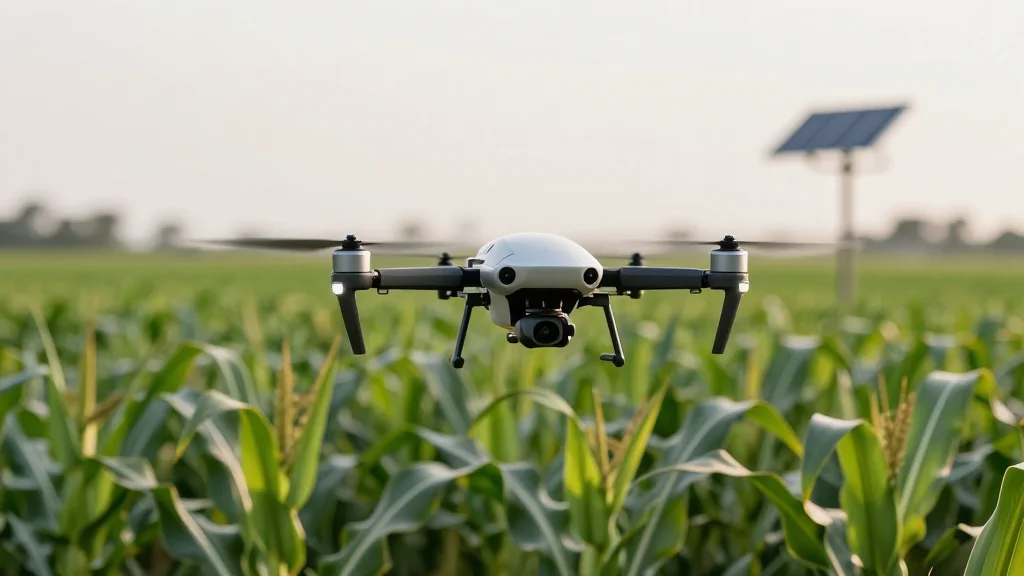
AI-Powered AgTech in Africa: Growth Accelerates but Foreign Capital Still Dominates
Why It Matters
Heavy foreign dependence exposes the sector to capital volatility, while building local funding and skills is essential for sustainable agricultural innovation in Africa.
Key Takeaways
- •Over 70% of AgTech funding in Africa comes from foreign investors
- •Kenya receives 85% foreign capital; South Africa 60% foreign capital
- •Early-stage AgTech deals range $1k–$150k; later rounds exceed $5m
- •More than 140 support organisations operate across eight key markets
- •Talent pipelines expanding, but skill gaps remain a growth constraint
Pulse Analysis
The surge of artificial intelligence in African agriculture reflects a broader digital transformation, yet the financing landscape remains skewed toward overseas investors. Europe and the United States account for the majority of the more than 100 investors identified in the recent Unlocking the Data Ecosystem report, funneling capital into Kenya and South Africa’s burgeoning startup scenes. This foreign dominance fuels rapid product development and market entry, but it also ties the sector’s growth to external economic cycles and geopolitical considerations, underscoring the need for a more balanced capital mix.
Parallel to funding, the continent’s entrepreneurial support infrastructure is expanding at pace. Over 140 entities—including incubators, accelerators, hackathons and AI communities—provide mentorship, seed capital and networking opportunities. Initiatives such as Digital Africa’s datathons and AI Connect Rwanda accelerate skill acquisition, while educational institutions and ed‑tech firms deliver targeted data‑science training. Despite these advances, a talent shortfall persists, limiting the ability of startups to scale and innovate independently. Strengthening local talent pipelines will be critical to converting early‑stage enthusiasm into long‑term commercial viability.
Policymakers and impact investors now face a strategic crossroads: leverage the current influx of foreign capital to build resilient, homegrown ecosystems, or risk perpetuating dependency. By incentivizing domestic venture funds, fostering public‑private research collaborations, and scaling technical education, Africa can nurture a self‑sustaining AgTech sector. The next decade will determine whether the continent evolves from a funding recipient to a global leader in data‑driven agricultural solutions, shaping food security and economic growth across the region.
AI-powered AgTech in Africa: growth accelerates but foreign capital still dominates
Comments
Want to join the conversation?
Loading comments...