Key Takeaways
- •Switch to Sonnet for routine tasks, reserve Opus for complex analysis
- •Keep CLAUDE.md under 2,000 tokens to avoid repeated cost
- •Use /context to identify and trim silent token hogs
- •Point Claude to specific files and line ranges for precise work
- •Run /compact early to purge unnecessary session data
Pulse Analysis
Claude Code’s pricing model charges per token, meaning every piece of context—prompts, previously read files, memory files, and tool outputs—adds directly to the bill. Developers often focus on shortening prompts, but the hidden cost lies in the accumulated session state. By treating the session as a shared memory architecture, teams can audit what Claude retains and eliminate unnecessary baggage before it inflates expenses. This shift from prompt‑centric to context‑centric thinking unlocks the most significant savings, especially for long‑running coding sessions that span dozens of iterations.
Choosing the right model for each task is the quickest lever. Sonnet handles everyday edits, test generation, and refactoring at a fraction of Opus’s token price, while Opus should be reserved for deep architectural analysis or multi‑file debugging. md` file lean—ideally under 2,000 tokens—prevents it from being re‑sent on every turn. Moreover, directing Claude to exact file paths and line ranges eliminates blind searches, reducing the number of tokens spent on irrelevant code. These disciplined practices shrink the active context without sacrificing output quality.
Advanced features such as subagents and the `/compact` command can further prune token waste, but they must be used judiciously. Subagents isolate verbose tool output, yet each new agent introduces its own prompt overhead, so they pay off only when the main session would otherwise be flooded with noise. Running `/compact` early—once the session has accumulated several file inspections—removes stale context before the next operation, keeping the token window lean. Finally, the `/context` diagnostic reveals hidden offenders, allowing teams to streamline tooling integrations and maintain a cost‑effective Claude Code workflow.
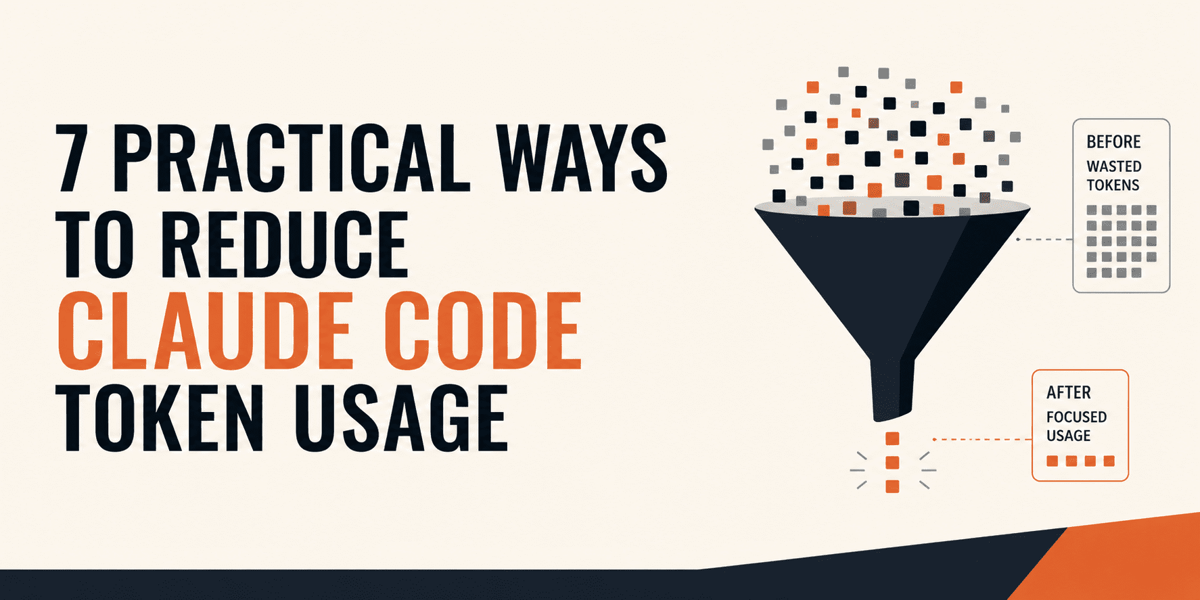
7 Practical Ways to Reduce Claude Code Token Usage
Comments
Want to join the conversation?