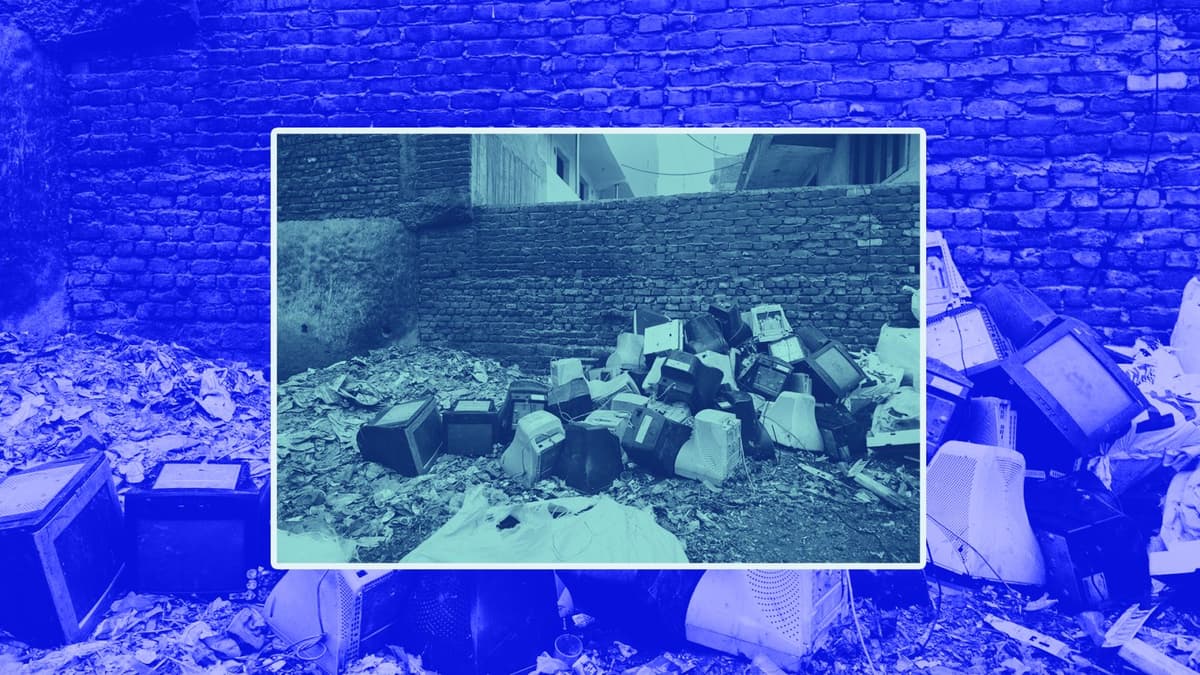
Key Takeaways
- •AI hardware could add up to 5 million tons e‑waste by 2030
- •India generates ~2 million tons e‑waste in 2024, 73% rise
- •70% of India's e‑waste originates from the United States and Europe
- •Informal recyclers use unsafe methods, releasing toxins and health hazards
- •Basel Convention enforcement gaps let hazardous waste flow to developing nations
Pulse Analysis
The AI boom is reshaping the electronics supply chain, but its hardware appetite comes at a steep environmental price. High‑performance GPUs, tensor‑processing units and specialized servers become obsolete within two to five years, creating a cascade of discarded components. A 2024 Nature Computational Science study estimates that AI could generate up to five million metric tons of e‑waste by 2030, dwarfing current global disposal volumes. This surge stresses recycling infrastructure already stretched thin, prompting policymakers to reconsider product‑life‑cycle standards and incentivize modular, upgradable designs that extend device longevity.
International waste flows compound the problem. While Europe and the United States produce two to three times more e‑waste per capita than Asia and Africa, a substantial share is shipped abroad under the guise of “used goods” or charitable donations. After China’s 2018 National Sword ban, exporters redirected shipments to South Asian and African nations, exploiting lax enforcement of the Basel Convention, which prohibits illegal hazardous‑waste transfers. The United States now tops the list of origin countries for e‑waste entering India, underscoring a systemic loophole where developed economies offload obsolete technology while developing regions shoulder the environmental and health costs.
In India, the informal recycling economy dominates e‑waste handling, with small repair shops and scrap dealers extracting value through rapid, unsafe methods such as open‑air burning and acid baths. Although recent legislation tightened bulk‑discard regulations in 2022, it leaves individual consumers largely unregulated, encouraging sales to informal buyers for higher payouts. This creates a feedback loop of pollution, worker exposure, and groundwater contamination. Strengthening formal recycling capacity, expanding producer‑responsibility schemes, and improving public awareness are critical steps to mitigate the looming AI‑driven e‑waste crisis and protect vulnerable communities.
AI is about to make the global e-waste crisis much worse
Comments
Want to join the conversation?