Key Takeaways
- •IVO frameworks shift oversight to licensed third‑parties but still need state enforcement
- •Verification bodies risk conflicts similar to credit‑rating agencies
- •Risk concentrates on specific capabilities, not on the existence of models
- •Targeted KYC‑style controls could monitor high‑risk AI functions
- •Distributed defensive AI tools scale security better than centralized oversight
Pulse Analysis
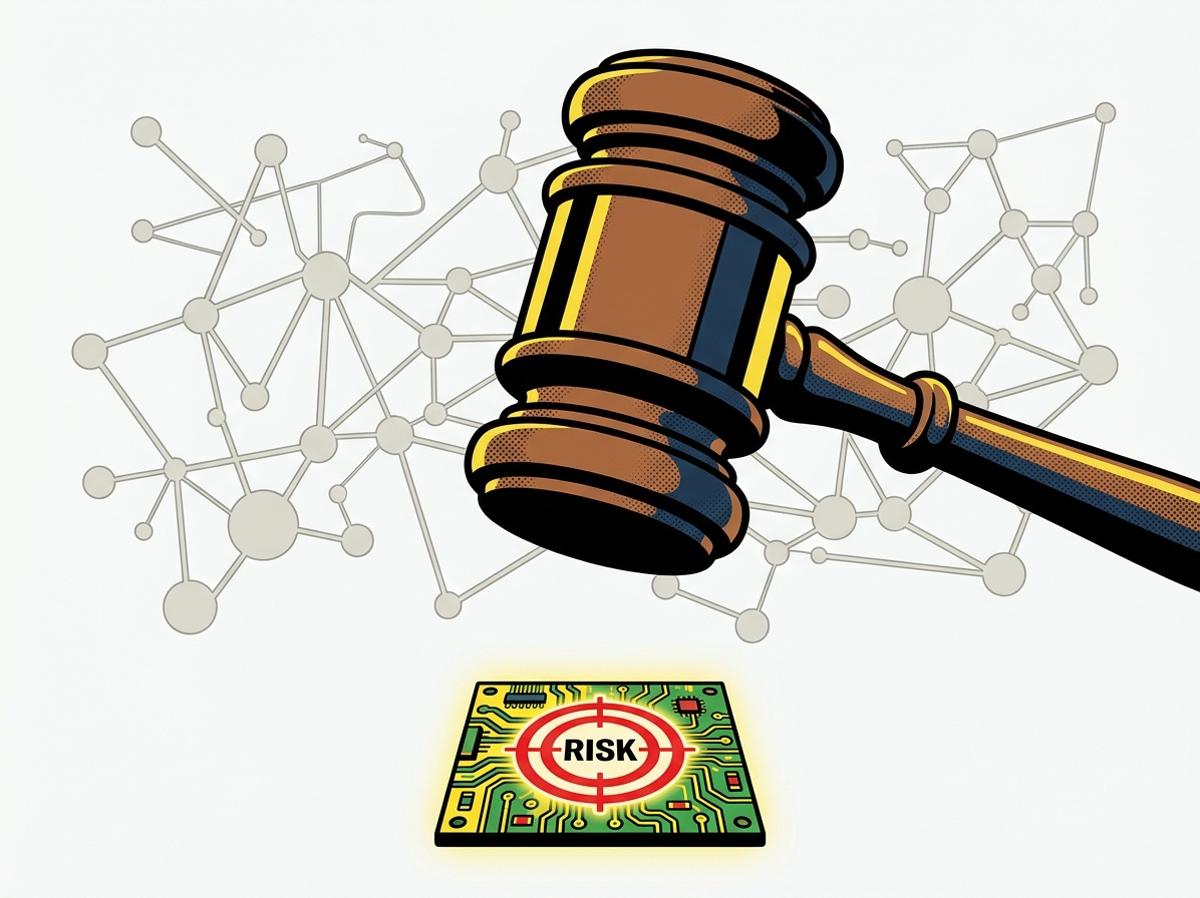
The debate over AI governance often collapses into a binary: regulate everything or nothing. This oversimplification ignores the layered architecture of modern AI systems, where risk is tied to particular capabilities—such as advanced data mining or autonomous decision‑making—rather than the mere presence of a model. Independent verification organizations (IVOs) promise market‑driven safety by certifying compliance with outcome‑based goals. In practice, however, they require licensing, access to proprietary code, and enforcement powers that effectively re‑create state oversight, raising concerns about independence and potential market distortion.
A more surgical approach focuses on the points where misuse actually materializes: the access to, and deployment of, high‑risk functions. Policymakers could adopt mechanisms akin to know‑your‑customer (KYC) regimes, flagging anomalous usage patterns and restricting sensitive capabilities to vetted actors. By defining clear, enforceable rules around specific misuse scenarios, regulators can avoid the heavy‑handedness of blanket AI bans while still addressing the core threat vectors. This strategy also aligns with the reality that legal categories like "surveillance" lag behind rapidly evolving technical capacities.
Finally, the defensive side of AI must not be overlooked. The same algorithms that enable large‑scale analysis can power real‑time threat detection, anomaly response, and automated mitigation across distributed networks. Encouraging the diffusion of such defensive tools—rather than concentrating oversight in a few licensed intermediaries—creates a resilient ecosystem where security scales with the technology itself. Precise, margin‑focused policy thus preserves innovation, supports the growth of protective AI, and minimizes the risk that regulation itself becomes the greatest obstacle to safe AI deployment.
AI Risk and the Very Large Hammer
Comments
Want to join the conversation?