Key Takeaways
- •Alibaba withdrew its LLM amid compliance worries
- •Open‑source licensing sparked internal leadership clash
- •Chinese rivals are fast‑tracking competing models
- •Regulators demand tighter data‑security controls
- •Market perception of Alibaba’s AI credibility declines
Summary
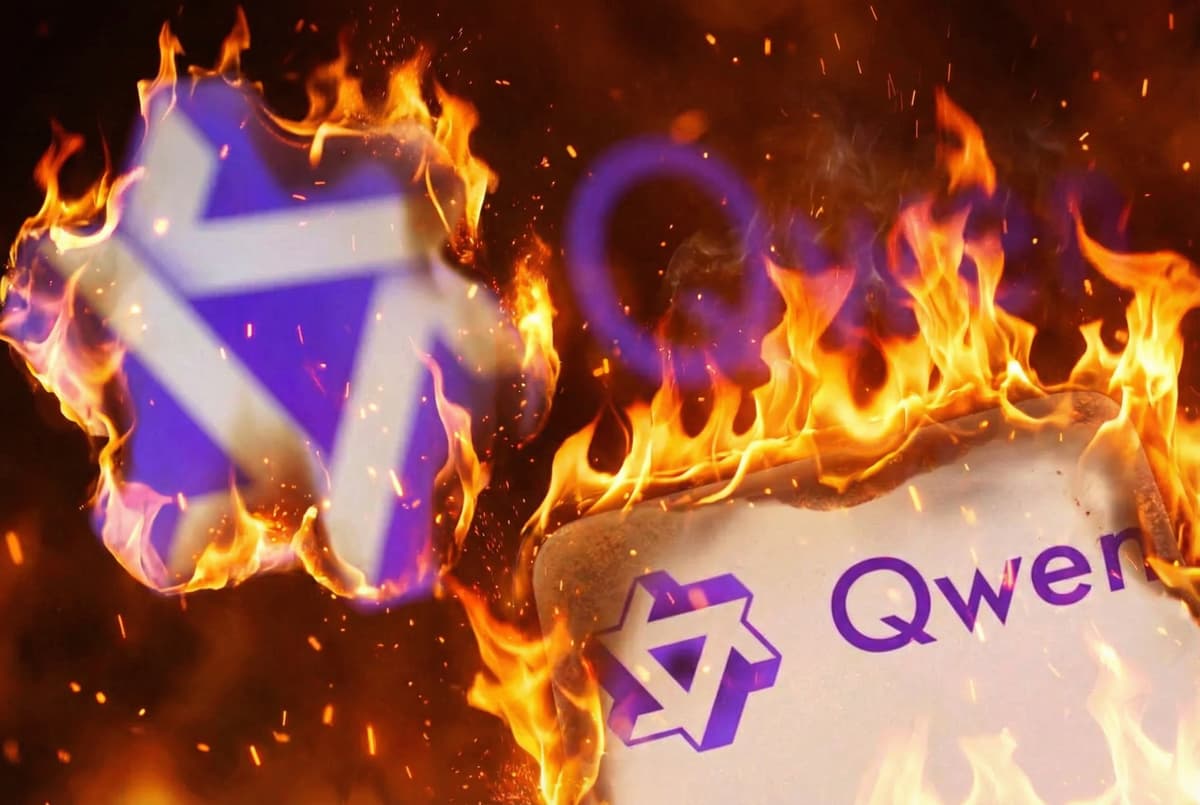
Alibaba has become the center of a new AI controversy after its flagship large‑language model was abruptly pulled from public access. The company cited compliance concerns and internal disagreements over open‑source licensing. Meanwhile, rival Chinese AI firms are accelerating their own model releases, intensifying competition. Analysts see the episode as a litmus test for how Chinese tech giants will balance rapid innovation with government regulations.
Pulse Analysis
Alibaba’s recent AI drama underscores a broader strategic dilemma facing Chinese tech giants: how to nurture cutting‑edge large‑language models while satisfying a tightening regulatory environment. The company’s decision to pull its flagship model from public beta was officially framed as a compliance precaution, but insiders suggest a deeper rift over whether the model should be released under an open‑source license. This internal debate reflects the industry’s struggle to balance rapid innovation with intellectual‑property protection and government expectations.
The fallout reverberates beyond Alibaba’s walls. Competitors such as Baidu, SenseTime, and emerging startups are seizing the moment to launch their own models, positioning themselves as more agile and less encumbered by bureaucratic constraints. Investors are closely watching how these firms navigate the dual pressures of market demand for accessible AI tools and the Chinese government’s emphasis on data security and national security. The episode may accelerate a shift toward more proprietary, tightly controlled AI offerings within China, potentially limiting the collaborative momentum seen in global open‑source communities.
For global stakeholders, Alibaba’s episode serves as a cautionary tale about the fragility of AI ecosystems that rely on open collaboration in jurisdictions with evolving policy frameworks. Companies looking to partner with Chinese AI providers must now factor in regulatory risk, licensing uncertainty, and the possibility of abrupt product withdrawals. Understanding these dynamics is essential for investors, developers, and enterprises aiming to leverage AI at scale while mitigating compliance exposure.
Comments
Want to join the conversation?