Key Takeaways
- •DGX Spark users manually orchestrate models across runtimes
- •Cloud providers offer managed inference gateways but retain some governance
- •Layer 2C (Reasoning Plane) handles placement, scheduling, and optimization
- •LiteLLM + llama‑swap give endpoint abstraction, not full reasoning
- •Kamiwaza packages on‑prem Reasoning Plane for hybrid AI workloads
Pulse Analysis
The rapid proliferation of large language and vision models has outpaced the tooling needed to manage them efficiently. On a single DGX Spark, data scientists are forced to become de‑facto orchestrators, swapping models in and out of limited GPU memory and juggling multiple serving runtimes. This manual approach not only drains engineering resources but also introduces latency spikes and unpredictable costs, especially when models exceed the 128 GB memory envelope of the device. The core issue is the absence of a dedicated Reasoning Plane—a software layer that abstracts hardware constraints and presents a unified, OpenAI‑compatible endpoint.
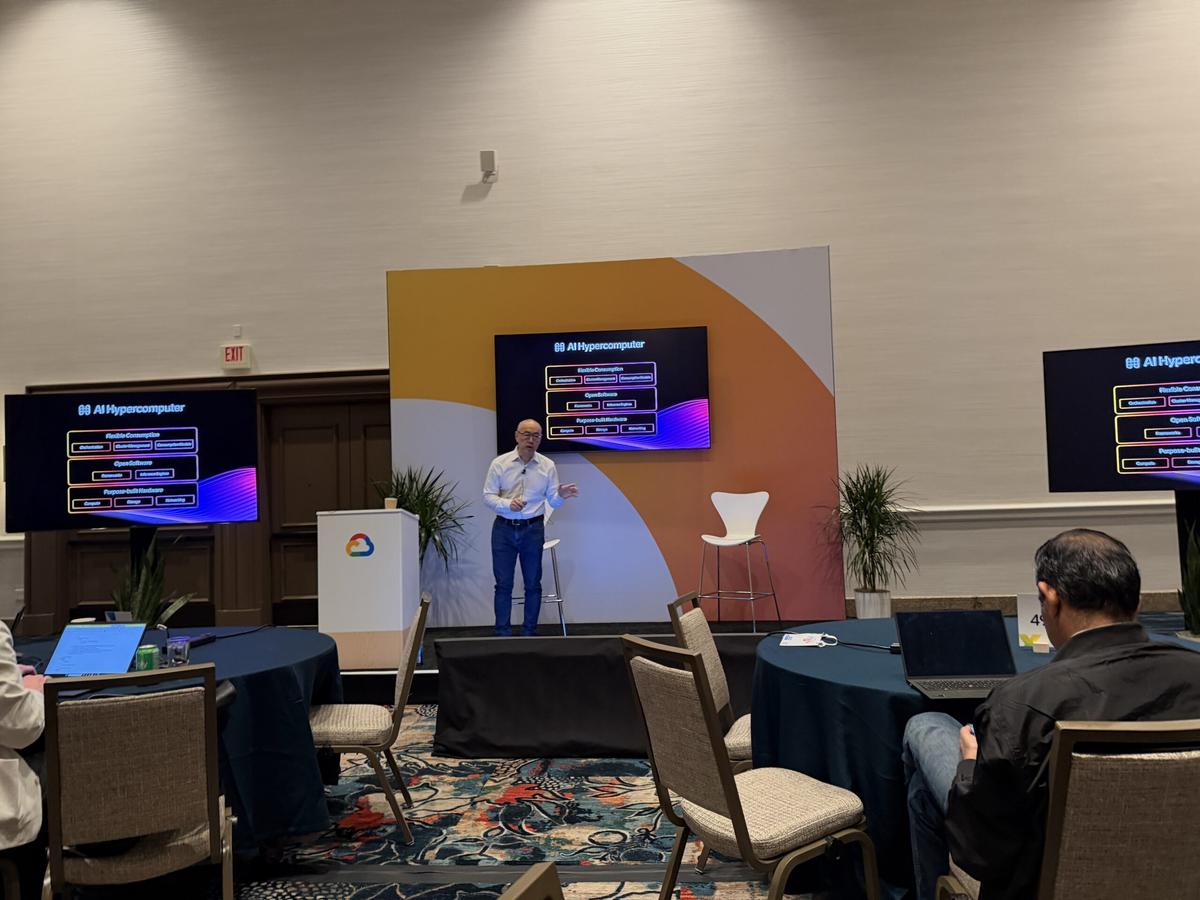
Enter the cloud giants. Google’s Inference Gateway and Dynamic Workload Scheduler illustrate how hyperscalers are packaging the Reasoning Plane as a managed service. These platforms automatically route requests based on KV‑cache state, match workloads to the optimal accelerator, and tier model weights across HBM, local SSD, and remote storage. While they dramatically reduce operational overhead, they also require customers to cede part of their governance to the provider’s orchestration logic. The Decision Authority Placement Model (DAPM) framework clarifies this trade‑off, distinguishing between fully retained, partially delegated, and fully outsourced orchestration.
For organizations that prefer on‑prem or edge deployments, emerging vendors like Kamiwaza are filling the gap. By delivering a turnkey Reasoning Plane that respects internal policies, SLAs, and business priorities, they enable enterprises to move beyond ad‑hoc container management toward the Fourth Cloud maturity model—where the AI stack is fully owned and optimized in‑house. As AI workloads become more heterogeneous, the ability to abstract model placement, memory tiering, and cold‑start handling will be a decisive competitive advantage, making the Reasoning Plane a critical component of any modern AI infrastructure strategy.
I Just Wanted Endpoints
Comments
Want to join the conversation?