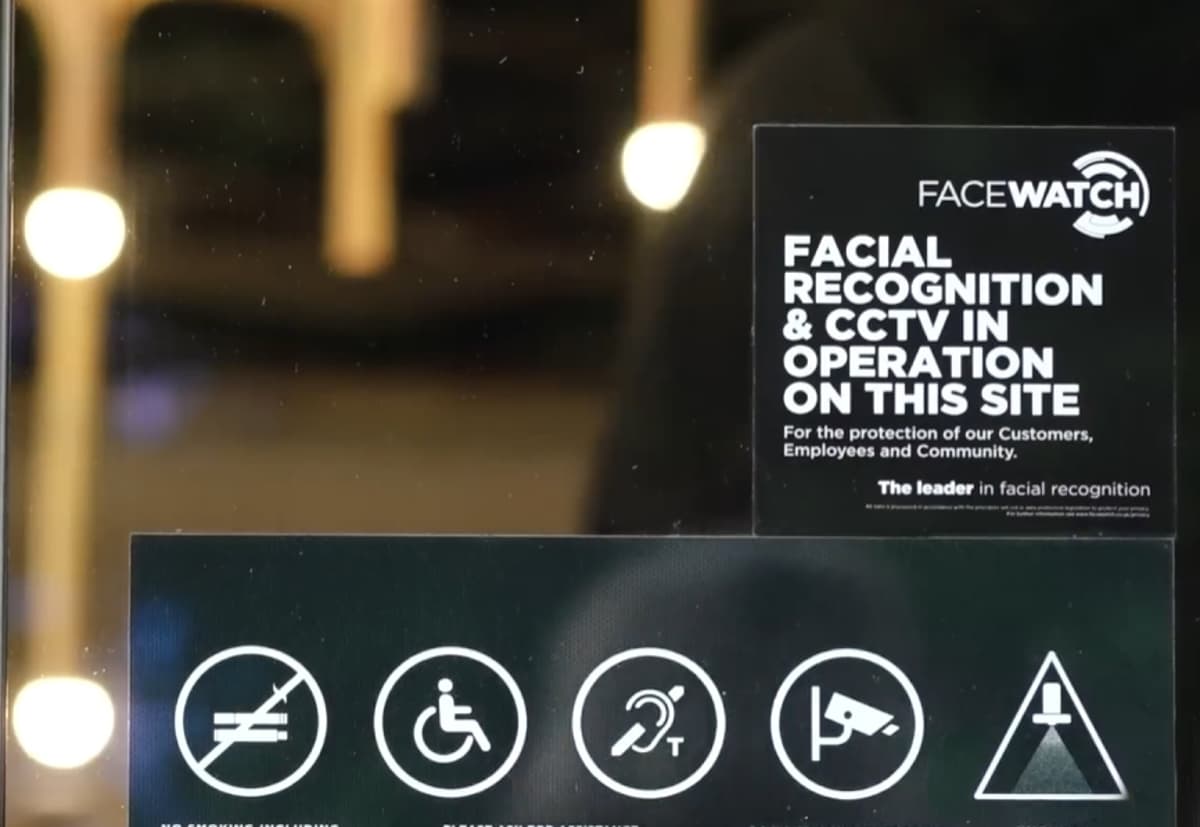
Metro – Sports Direct Facial Recognition Error Wrongly Flags Innocent Woman as a Thief
Key Takeaways
- •Sports Direct employed Facewatch facial‑recognition system
- •System misidentified woman, linking her to prior shoe theft
- •Woman was expelled and accused without clear evidence
- •Incident spotlights AI bias and error risks in retail
- •Calls intensify for stricter regulation of facial‑recognition
Pulse Analysis
The recent mishap at a Sports Direct store in the UK illustrates how commercial facial‑recognition tools can go awry. The Facewatch system, designed to deter shoplifting, incorrectly matched a shopper’s face to a database entry for a shoe theft that occurred a year earlier. When store staff confronted the woman, she was forced to leave the premises and faced accusations she could not immediately refute. Privacy advocates, including Big Brother Watch, have seized on the episode to argue that consumers are increasingly vulnerable to opaque, algorithm‑driven judgments that lack transparent recourse.
Beyond the individual grievance, the case raises broader questions about the balance between loss prevention and civil liberties. In the UK, the Information Commissioner's Office has warned that biometric data must meet strict fairness and accuracy standards, while the EU’s forthcoming AI Act proposes a risk‑based framework that could classify retail facial‑recognition as high‑risk technology. Legal scholars warn that wrongful accusations could expose retailers to negligence claims, especially if the technology’s error rate is not disclosed. Moreover, consumer trust erodes when shoppers fear being misidentified, potentially driving foot traffic away from stores that rely heavily on surveillance.
Industry insiders suggest that the path forward involves a combination of technical safeguards and policy reforms. Enhanced data governance, regular algorithm audits, and clear opt‑out mechanisms can mitigate false positives. Simultaneously, regulators may require explicit consent for biometric scanning and enforce penalties for non‑compliance. As retailers weigh the cost‑benefit of such systems, the Sports Direct incident serves as a cautionary tale: without robust oversight, the promise of AI‑enabled security can quickly become a liability that harms both customers and brand reputation.
Metro – Sports Direct facial recognition error wrongly flags innocent woman as a thief
Comments
Want to join the conversation?