Music After the Generative AI Creative Big Bang
Key Takeaways
- •AI music platforms generate 7 million tracks daily, eclipsing Spotify’s catalog
- •97 % of listeners can’t distinguish AI songs from human‑made tracks
- •CEO claims of AGI spark debate over true capabilities of generative AI
- •Mass‑scale AI creation shifts bottleneck from production to curation and safety
- •Libraries must teach AI literacy, judgment, and agency in the Imagination Age
Pulse Analysis
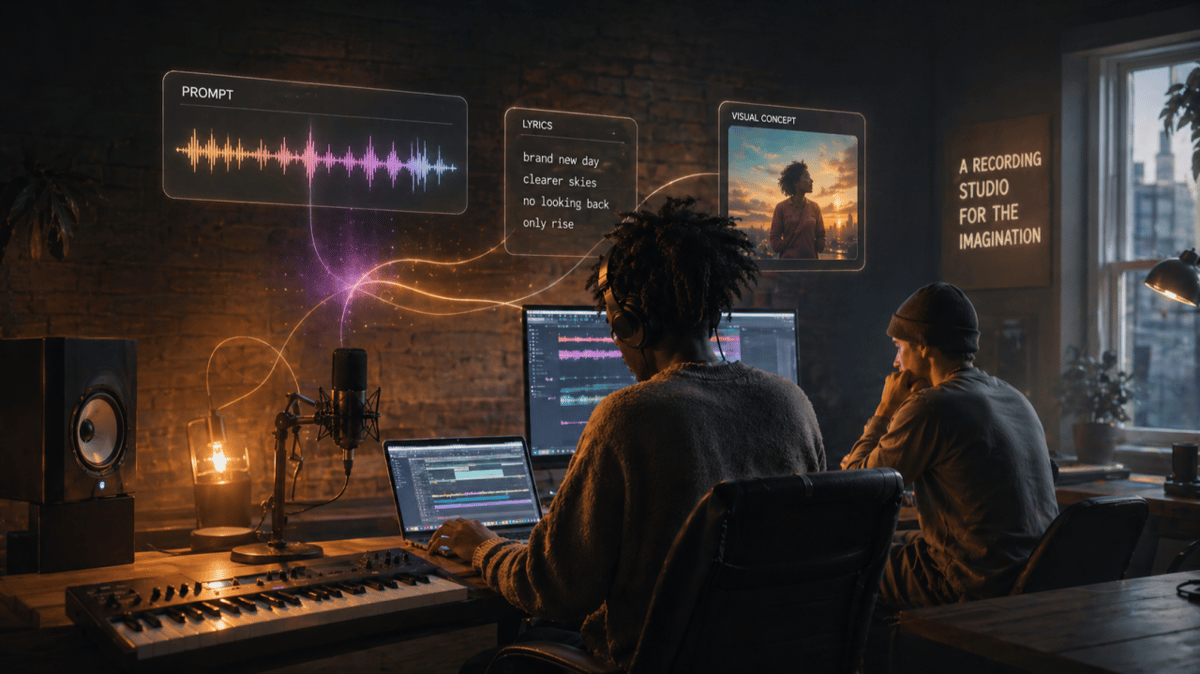
The rise of generative AI in music marks a watershed moment for creators and the industry alike. Platforms such as Suno, Udio, and other large‑language‑model‑powered services allow users to input a textual prompt and receive a fully produced track in seconds. This democratization mirrors the early 2000s streaming revolution, but the scale is unprecedented: millions of songs flood streaming services daily, and listeners increasingly accept AI‑generated content as indistinguishable from human work. For record labels, publishers, and rights‑holders, the flood of royalty‑eligible tracks threatens traditional revenue streams and forces a reevaluation of licensing frameworks and attribution standards.
Beyond music, the conversation has expanded to the broader claim that artificial general intelligence (AGI) is already here, a narrative championed by tech CEOs and echoed in high‑profile publications. While the hype may overstate current capabilities, the practical impact is clear—AI tools now handle creative tasks that once required specialized training, from songwriting to code generation. This shift redefines the skill set valued in the workforce: imagination, prompt engineering, and critical evaluation become as essential as technical proficiency. Companies that integrate AI responsibly can unlock massive productivity gains, yet they also face new risks around bias, security, and the ethical use of synthetic media.
The flood of AI‑generated content underscores a deeper societal need: new literacies that go beyond access to information. Libraries, educators, and cultural institutions are uniquely positioned to teach users how to assess quality, exercise judgment, and maintain agency in an environment where creation is effortless. By framing AI as a tool for imagination rather than a replacement for human creativity, these institutions can help cultivate the taste and critical thinking required to navigate the "Imagination Age." This focus on judgment and agency will be the differentiator that separates meaningful art from the inevitable "AI slop" that mass production can produce.
Music After the Generative AI Creative Big Bang
Comments
Want to join the conversation?