Key Takeaways
- •AI will merge with human cognition by early 2030s, blurring agency
- •Digital twins enable simulated M&A analysis, offering deeper enterprise insights
- •Agents now generate 70% of web traffic, reshaping internet user dynamics
- •Historical clinical trial bias excludes women, prompting AI model gaps
- •Globalization's job impact remains unprepared, demanding proactive reskilling strategies
Pulse Analysis
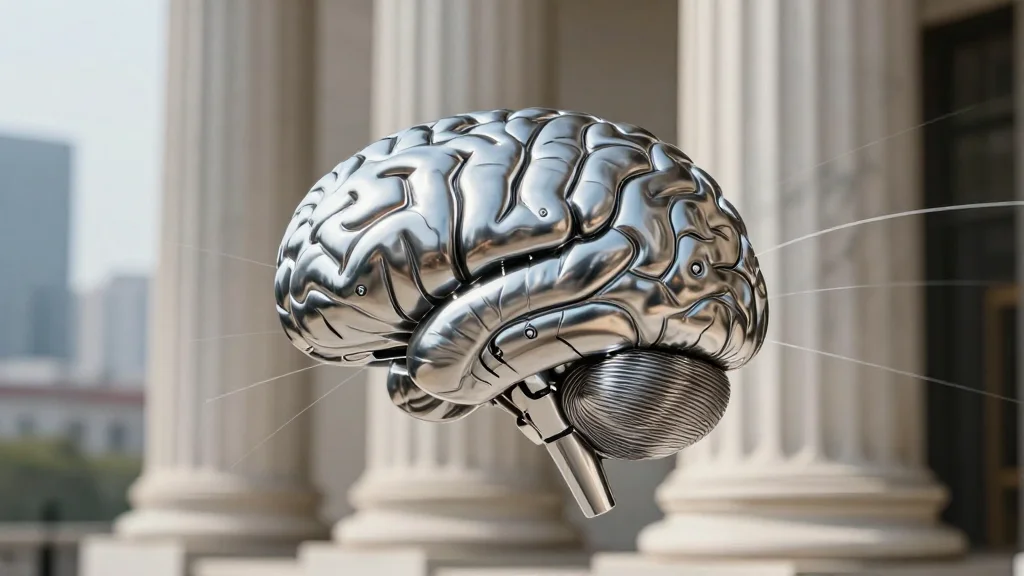
The HumanX 2026 stage underscored a looming convergence between artificial intelligence and the human mind. Futurist Ray Kurzweil warned that by the early 2030s, AI‑enhanced cognition could become indistinguishable from personal thought, raising profound questions about agency, data privacy, and competitive advantage. Companies that embed generative models into decision‑making pipelines may gain a speed edge, yet regulators will grapple with defining responsibility when a machine influences a judgment. As investors scramble to secure AI talent, the market is likely to reward firms that can demonstrate transparent, auditable AI‑human interfaces.
Another recurring theme was the untapped power of digital twins for strategic planning. Phil Wiser illustrated how a virtual replica of two merging firms can run thousands of scenarios, revealing hidden cost synergies and cultural friction before any deal is signed. This simulation‑first approach promises to cut due‑diligence cycles and improve post‑merger integration success rates, yet adoption remains limited by data silos and the need for high‑fidelity modeling. Enterprises that invest in interoperable twin platforms now will position themselves at the forefront of a new era of data‑driven corporate engineering.
Beyond technology, the conference highlighted systemic gaps that could amplify inequality. Guillermo Ranch noted that agents now generate roughly 70 % of web traffic, signaling a shift toward automated intermediaries that reshape advertising and e‑commerce models. Tom Hale reminded attendees that women were largely excluded from clinical trials until the early 1990s, a bias that still skews large‑language‑model medical advice. Al Gore and Arvind Jain warned that globalization’s labor disruptions were never fully mapped, and that AI must be steered toward inclusive outcomes. Policymakers and CEOs alike will need coordinated reskilling programs and ethical frameworks to ensure the AI boom lifts all sectors.
Overheard At HumanX 2026
Comments
Want to join the conversation?