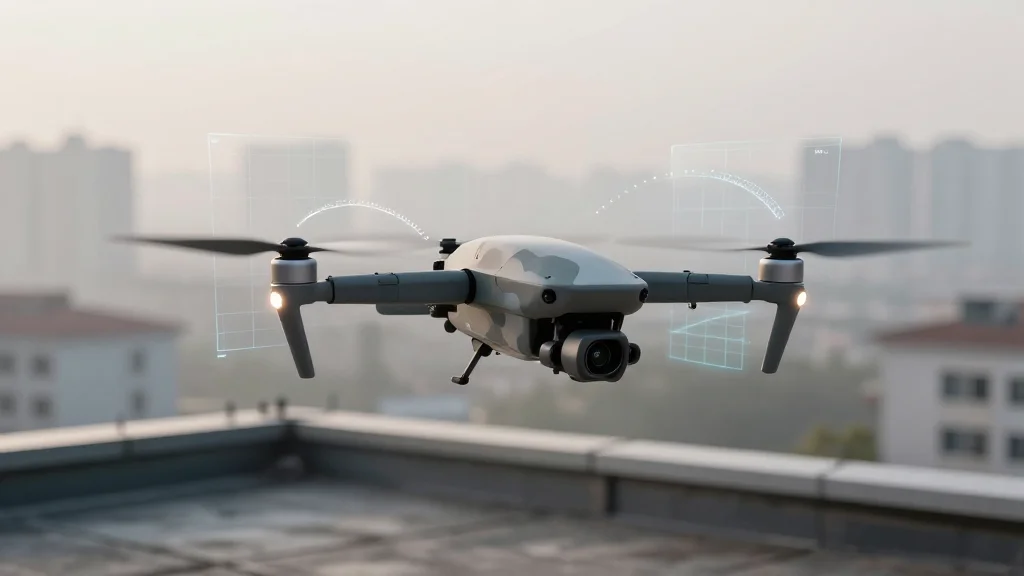
Pokémon Go Data Trained AI that Could Assist Military Drones in War Zones
Key Takeaways
- •Niantic used Pokémon Go scans to train spatial AI models.
- •AI could help military drones pinpoint locations in conflict zones.
- •Data originated from opt‑in user uploads before 2025 division sale.
- •Technology bridges consumer AR and defense navigation systems.
- •Raises privacy and ethical debates over repurposing game data.
Pulse Analysis
Pokémon Go’s 2016 launch turned smartphones into crowdsourced mapping tools, with players scanning real‑world locations to earn in‑game rewards. By 2018 the game had amassed over 800 million downloads, and a 2021 update added Pokéstops that required users to opt in and upload camera footage of their surroundings. Niantic harvested this massive, geotagged visual dataset, preserving it even after divesting its gaming arm in 2025. The breadth and granularity of the scans—covering urban streets, parks, and landmarks worldwide—provide a rare training ground for computer‑vision models that need to understand complex, dynamic environments.
Leveraging the Pokémon Go archive, Niantic’s AI team developed algorithms capable of recognizing spatial features such as building outlines, road markings, and natural terrain. These models can be integrated into autonomous navigation stacks, allowing military drones to cross‑reference live sensor feeds with a pre‑learned map of a conflict zone, thereby improving location accuracy and reducing reliance on GPS, which is often jammed in combat. The technology promises faster target acquisition, safer flight paths, and enhanced situational awareness for operators, potentially shifting how unmanned systems are deployed in contested areas.
The crossover from a popular mobile game to defense technology raises profound privacy and ethical questions. Users who consented to share location data for entertainment may not have anticipated military use, prompting calls for stricter data‑use disclosures and oversight. Moreover, the precedent of commercial AR datasets feeding defense AI could spur a new market for civilian‑derived training data, prompting regulators to balance innovation with civil liberties. Stakeholders—from game developers to defense contractors—must navigate this emerging frontier where entertainment, AI, and national security intersect.
Pokémon Go data trained AI that could assist military drones in war zones
Comments
Want to join the conversation?