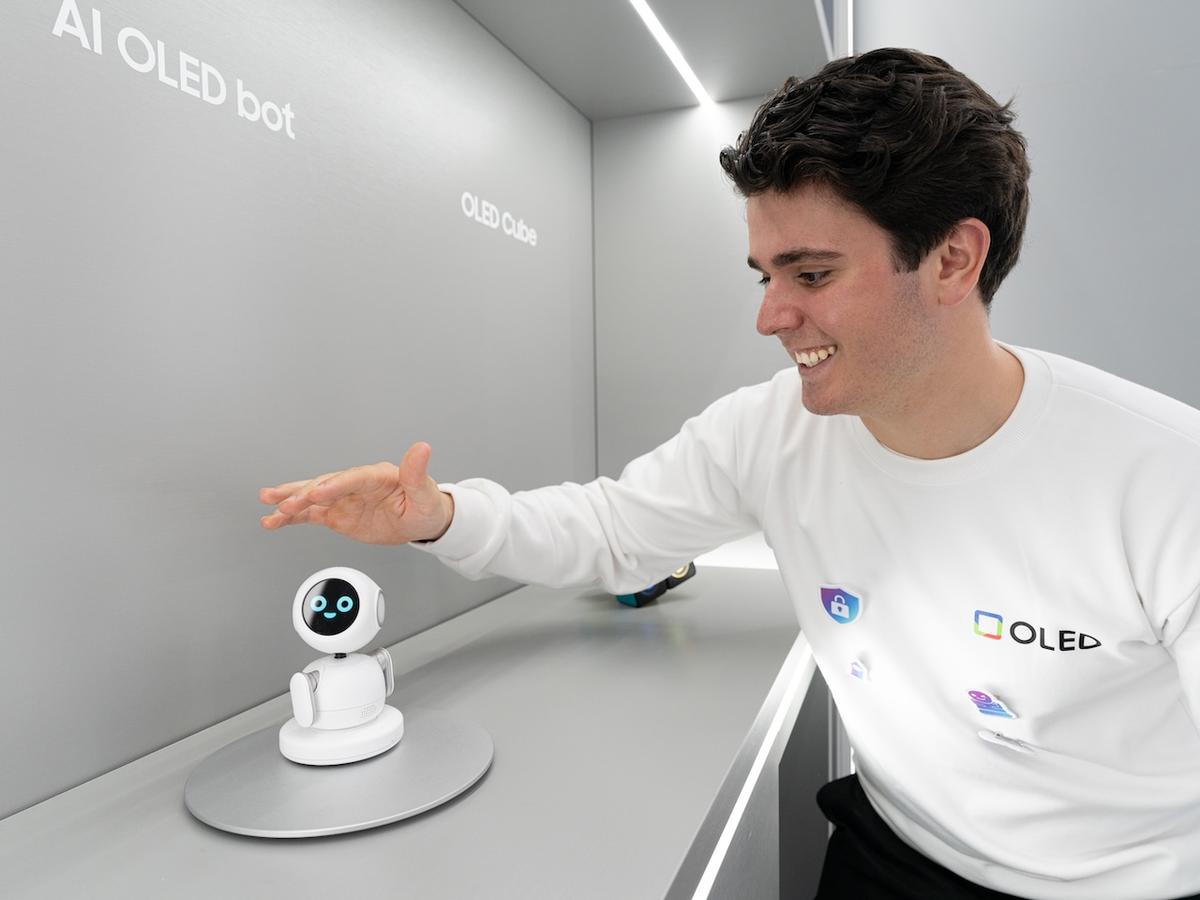
Samsung Put a Face on AI and Shrunk It Down to Pocket Size
•March 7, 2026
0
Key Takeaways
- •1.34‑inch circular OLED powers expressive robot face
- •Samsung showcases OLED miniaturization at MWC 2026
- •No pricing or production partner announced yet
- •Competes with EMO, Eilik, Loona concepts
- •Highlights display division driving AI hardware innovation
Summary
Samsung Display unveiled the Mini PetBot concept at MWC 2026, a pocket‑sized companion robot that uses a 1.34‑inch circular OLED screen as an expressive face. The tiny display animates eyes and facial cues in response to voice and touch, aiming to make AI conversations feel more human. The showcase highlights Samsung’s ability to shrink high‑quality OLED panels for novel form factors, but the robot remains a concept with no price, release date, or confirmed manufacturing partner. It signals a potential shift toward emotionally responsive AI devices beyond traditional phones and TVs.
Pulse Analysis
The companion‑robot market has long wrestled with the uncanny valley of voice‑only assistants. By giving AI a visible, animated face, Samsung Display tackles the psychological gap that pure audio interfaces cannot bridge. The Mini PetBot’s circular OLED acts as a digital mask, delivering nuanced expressions that react in real time to user input, thereby fostering a sense of presence that can boost user engagement and trust.
Technically, the 1.34‑inch circular OLED is a showcase of Samsung’s advances in panel miniaturization and pixel density. Its deep blacks and fine gradients eliminate backlight bleed, allowing emotive eyes to pop without distraction. The round form factor removes the typical rectangular frame, making the display appear more organic. Compared with earlier desktop‑size concepts like EMO or Loona, Samsung’s approach compresses the same visual fidelity into a handheld size, proving the underlying technology is ready for broader integration in wearables, smart accessories, or future robot companions.
While still a concept, the Mini PetBot signals a strategic move for Samsung’s display division to become a catalyst for AI hardware innovation. By demonstrating a ready‑to‑use panel, Samsung invites OEMs and software partners to build commercial products around the emotional interface. If a partner materializes, the device could open a niche market for portable, emotionally responsive AI companions, potentially influencing design standards across the industry. However, the lack of pricing, production timeline, and clear partner commitments underscores the risk that many such concepts never reach mass production, making the next steps critical for commercial viability.
Comments
Want to join the conversation?