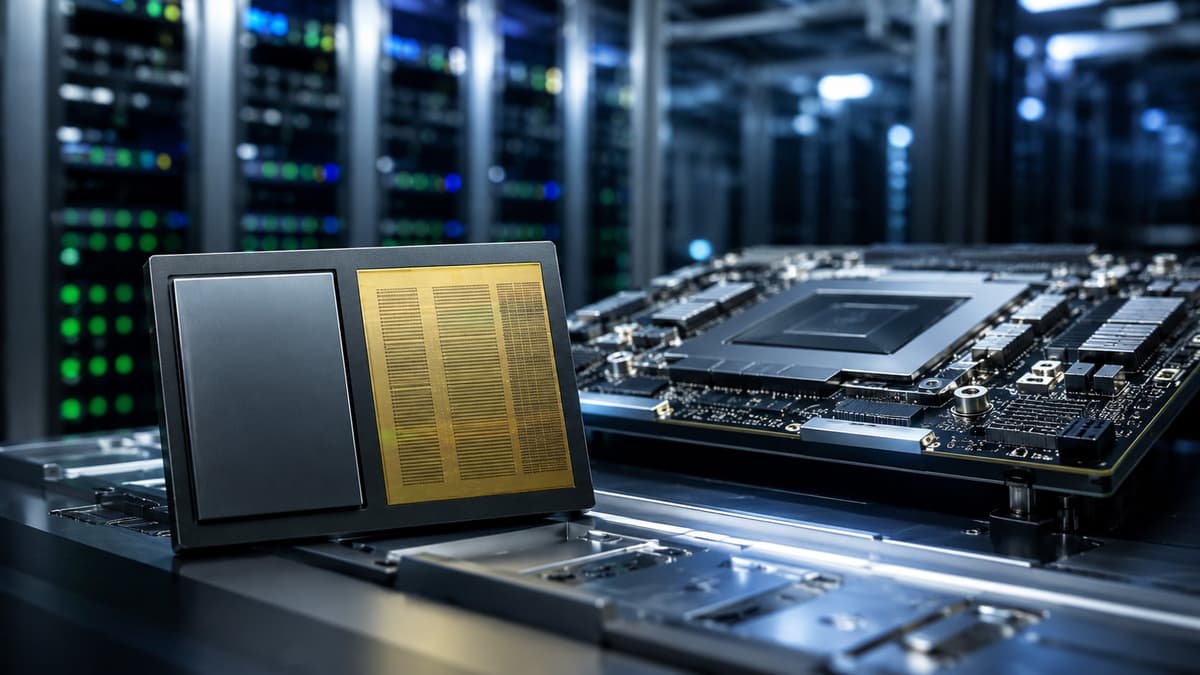
Samsung Seeks Its Way Back Into NVIDIA’s Supply Chain: Talks on Foundry, HBM4E and HBM5
Key Takeaways
- •Samsung discussed HBM4E/HBM5 and next‑gen foundry with NVIDIA
- •Samsung will fabricate Groq LP30 AI accelerator, shipping H2 2026
- •Integrated memory‑logic‑packaging strategy targets NVIDIA’s high‑margin AI chips
- •No confirmed GPU node switch; talks remain exploratory
Pulse Analysis
The AI hardware surge has turned memory bandwidth and advanced logic into the most lucrative segments of the semiconductor market. Samsung, long a leader in DRAM, has struggled to match SK Hynix’s dominance in high‑bandwidth memory (HBM) and TSMC’s lead in cutting‑edge foundry nodes. By opening direct talks with NVIDIA, Samsung hopes to leverage its end‑to‑end portfolio—DRAM, logic base dies, and advanced packaging—to offer a more integrated solution than its rivals, positioning itself as a credible alternative for NVIDIA’s next‑generation GPUs and AI accelerators.
Samsung’s recent GTC 2026 briefing detailed HBM4E’s 13 Gb/s per pin speed and introduced HBM5, which will pair a sixth‑generation 10‑nm‑class DRAM core with a 2‑nm base die. This hybrid approach blurs the line between memory and logic, allowing tighter thermal management and potentially higher performance when co‑packaged with GPU dies. For NVIDIA, a single supplier that can deliver both the memory stack and the underlying logic could simplify supply chains, reduce latency, and improve power efficiency—critical factors for data‑center AI workloads and autonomous‑driving platforms.
Strategically, the discussions are a litmus test for Samsung’s broader AI ambition. Securing even a modest HBM order or a foundry win would boost Samsung’s credibility and could trigger a shift in NVIDIA’s supplier mix, pressuring SK Hynix and TSMC. However, the absence of concrete node commitments or volume forecasts means the partnership remains speculative. Success will hinge on Samsung’s ability to meet yield, power and timeline expectations, while also delivering the integrated packaging solutions that NVIDIA increasingly demands. If Samsung can demonstrate consistent performance, it may close the gap to its rivals and become a pivotal player in the next wave of AI chips.
Samsung seeks its way back into NVIDIA’s supply chain: talks on Foundry, HBM4E and HBM5
Comments
Want to join the conversation?