SPACEXAI 5 Data Center Locations + More Energy + Rubin Chips = $300 + Billion Revenue Runrate

Key Takeaways
- •SPACEXAI operates three terrestrial, one distributed Tesla, one space AI data centers.
- •Colossus 1 hosts 230k GPUs, leased to Anthropic for $1.25 B monthly.
- •Colossus 2 targets 1.3 GW power and up to 770k GB300 GPUs by 2026.
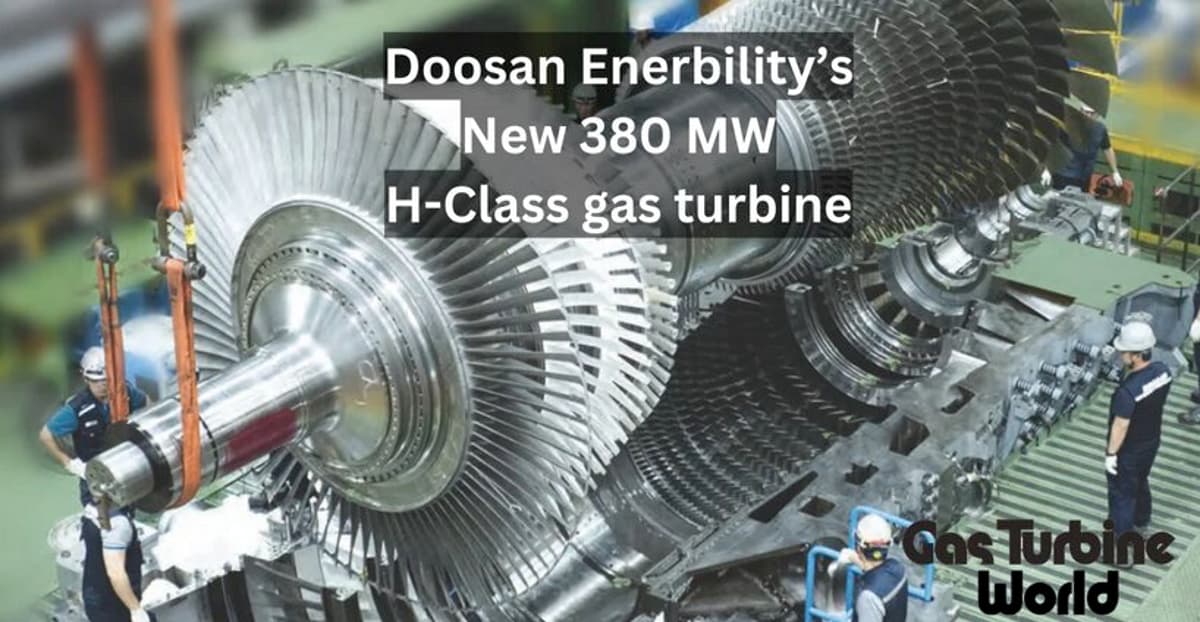
- •Mobile gas turbines represent $2.8 B investment for rapid AI compute scaling.
- •Rubin GPUs could lift capacity to 1 M GPUs, $300 B revenue.
Pulse Analysis
The AI compute race has accelerated beyond traditional cloud providers, and SPACEXAI’s multi‑site strategy reflects a bold bet on vertical integration. By concentrating three massive terrestrial data centers in the Memphis‑Southaven corridor, the firm leverages existing logistics infrastructure and proximity to the Tennessee Valley Authority grid, while sidestepping local turbine restrictions through Mississippi‑based power assets. This hybrid power model—combining TVA baseload, a joint‑venture gas fleet, and $2‑3 billion in mobile turbines—delivers the speed needed to deploy hundreds of thousands of GPUs within months, a timeline that rivals the rollout speeds of OpenAI and Microsoft’s Azure AI.
Beyond raw compute, the hardware roadmap signals a shift toward next‑generation efficiency. The upcoming Rubin (R200) GPUs promise roughly 50 petaFLOPS per chip, dramatically outpacing the current Blackwell‑based GB300 units. SPACEXAI’s secured 20 % share of early Rubin capacity positions it to offer ultra‑high‑throughput services such as real‑time foundation‑model inference and large‑scale training, potentially unlocking new revenue streams that justify the projected $300 billion run‑rate. The liquid‑cooling‑ready design of the MACROHARDRR facility further future‑proofs the infrastructure for these power‑dense chips.
However, the scale brings regulatory and sustainability challenges. Mobile gas turbines, while expedient, have sparked community opposition in Southaven and raise questions about carbon intensity as AI workloads grow. Investors will watch how SPACEXAI balances rapid expansion with environmental, social, and governance (ESG) expectations, especially as the industry confronts tightening emissions standards. If the company can navigate these hurdles, its integrated compute‑and‑power ecosystem could set a new benchmark for AI infrastructure, reshaping market dynamics and influencing how future AI services are priced and delivered.
SPACEXAI 5 Data Center Locations + More Energy + Rubin Chips = $300 + Billion Revenue Runrate
Comments
Want to join the conversation?