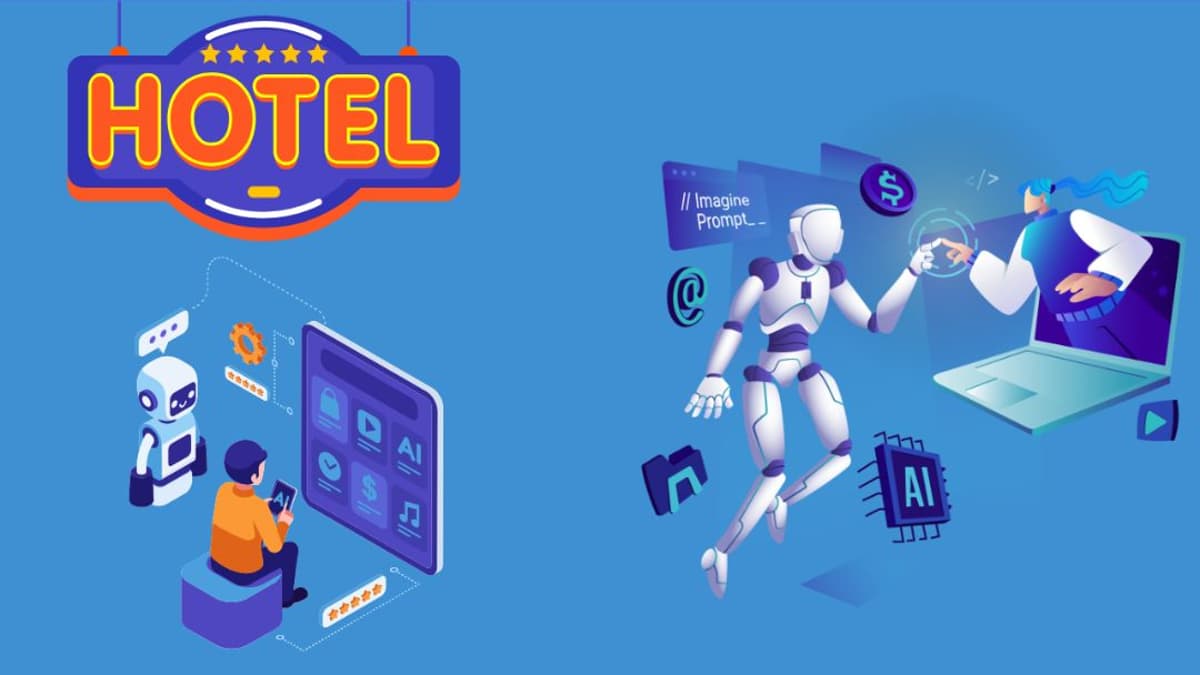
The Human First AI Compass for Hotels
Key Takeaways
- •AI should amplify, not replace, human judgment in hotel operations
- •Poorly explained AI erodes staff trust and guest confidence
- •Demand‑aware scheduling reduces fatigue without cutting headcount
- •Revenue AI works best as decision‑support, not autonomous pricing
- •Leaders must ask: support decision, error handling, accountability
Pulse Analysis
Labor shortages and payroll strain have forced hotels to look for quick fixes, and AI promises faster decisions and lower costs. Yet the rush to automate often overlooks the industry's core reliance on human interaction. When AI is introduced without a guiding framework, it can create opaque decisions that alienate front‑line staff and confuse guests, undermining the very service quality that differentiates hospitality brands. A human‑first approach reframes AI as a tool that extends managerial judgment, ensuring that technology supports rather than supplants the people who deliver the guest experience.
The AI Compass principle stresses transparency and trust. By surfacing the rationale behind scheduling recommendations or pricing changes, AI keeps leaders accountable and staff engaged. Demand‑aware scheduling, for example, anticipates lobby and housekeeping peaks, smoothing workloads and reducing fatigue without mandating headcount cuts. In revenue management, AI should act as a decision‑support layer, highlighting demand shifts while leaving final pricing choices to experienced revenue teams. This balance preserves brand positioning, prevents price volatility, and aligns occupancy goals with the operational capacity of lean crews.
Successful AI adoption also hinges on data quality and organizational readiness. Hotels must blend quantitative metrics with narrative insights from frontline staff to give AI a complete picture of operational reality. Training should focus on role‑specific use cases, enabling employees to recognize where AI adds value and when human intuition must prevail. Before any rollout, leaders should answer three critical questions: which human decision does the AI support, how will errors be handled, and who remains accountable? Answering these ensures AI enhances, rather than erodes, the trust and efficiency that underpin the hospitality business.
The Human First AI Compass for Hotels
Comments
Want to join the conversation?