The “Just One More Prompt” Era Is Here
Key Takeaways
- •AI coding agents trigger “just one more prompt” loops, extending work hours
- •Studies show AI tools yield minimal productivity gains for engineers
- •Frictionless AI reduces learning benefits tied to challenging problem solving
- •Burnout risk rises as developers sacrifice sleep for continuous prompting
- •Hard stop rules improve decision quality and restore work‑life balance
Pulse Analysis
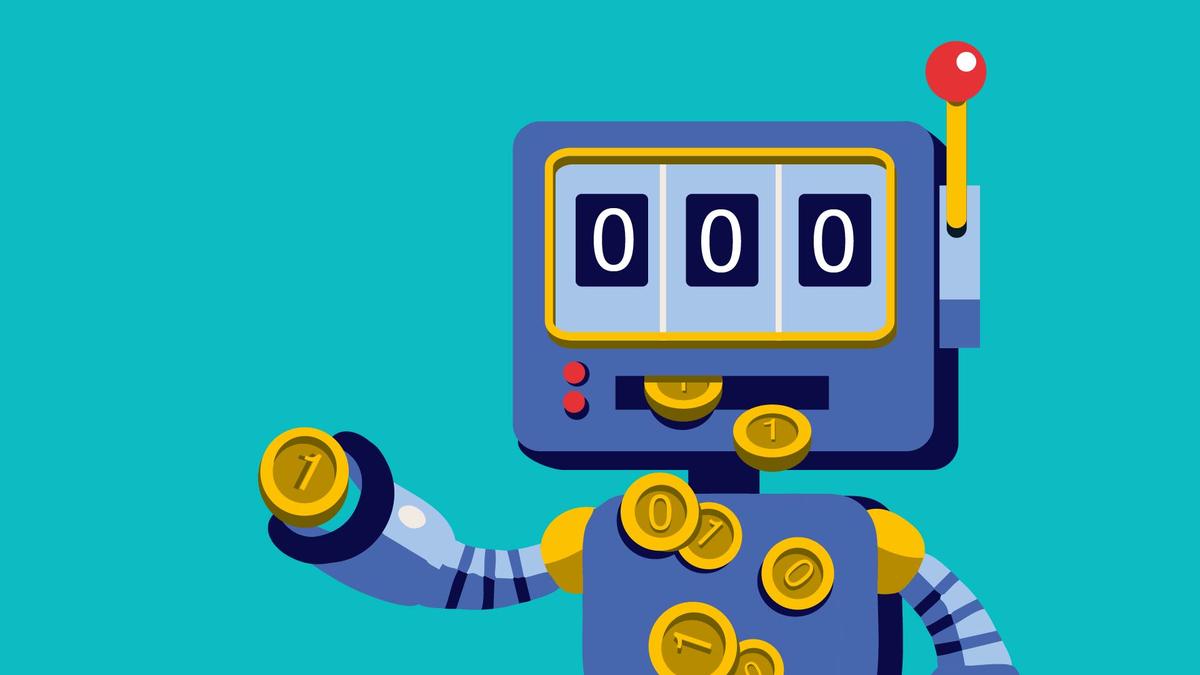
The rollout of agentic coding platforms such as Cursor and Claude Code has sparked a wave of enthusiasm among developers, who liken the experience to having a team of PhD‑level interns on call 24/7. This surge coincides with a broader corporate push to extract quantifiable returns from AI investments, yet a November 2025 McKinsey report notes that most firms remain in an experimental phase, still redesigning workflows without clear transformation. For individual engineers, the allure of frictionless code generation translates into a cognitive slot‑machine effect: each successful prompt delivers a micro‑reward, prompting another query before fatigue can set in.
Paradoxically, the promised productivity boost is proving elusive. Empirical studies reveal that AI‑assisted developers see only modest efficiency improvements while logging longer hours, as the ease of prompting encourages task overextension. Moreover, the removal of natural problem‑solving friction diminishes deep learning, meaning engineers miss out on the “desirable difficulties” that traditionally foster mastery and job satisfaction. This combination of extended workdays and reduced cognitive challenge fuels burnout, a risk that extends beyond software teams to any workforce embracing AI‑enabled automation.
To mitigate these downsides, early adopters are instituting personal guardrails—hard stop times, defined bedtime routines, and strict laptop‑off policies. Evidence from founders like Bhavin Sheth and Naz Avo shows that such boundaries not only preserve mental health but also enhance decision quality and overall output. For managers, the lesson is clear: fostering sustainable AI usage requires balancing tool convenience with intentional friction, ensuring that productivity metrics reflect both speed and employee well‑being.
The “just one more prompt” era is here
Comments
Want to join the conversation?