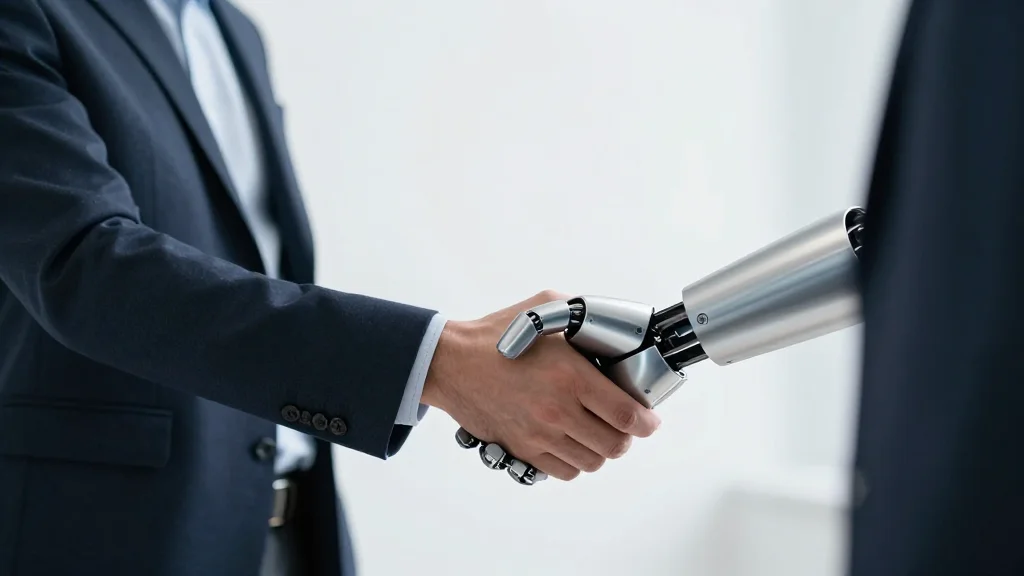
The Shift to AI-Enhanced Employees
Key Takeaways
- •AI can increase individual productivity up to tenfold
- •Companies cite AI as justification for large‑scale layoffs
- •Adoption speed depends on culture and change‑management
- •Entrepreneurs should prioritize AI transformation immediately
Pulse Analysis
Artificial intelligence is rapidly moving from a buzzword to a core business capability, prompting executives to reassess staffing models. Recent announcements from tech giants such as Microsoft and Amazon, which have trimmed thousands of positions, illustrate a growing belief that AI can replace routine tasks. Yet the narrative is not solely about job loss; the technology promises to amplify human output, turning a competent employee into a high‑velocity contributor. This duality creates a strategic dilemma for leaders who must balance cost savings with the potential upside of a more productive workforce.
The primary barrier to realizing AI’s productivity promise lies in organizational inertia. Even when the financial case is clear, cultural resistance and entrenched workflows can slow adoption. Change‑management initiatives become critical, as firms that invest in training, incentives, and clear governance structures see faster uptake. The "Iron Man" analogy underscores this point: AI is a force multiplier, but only for those who don’t hesitate to wear the suit. Companies that opt for immediate headcount cuts may miss the longer‑term gains that a fully AI‑enabled team can deliver.
For entrepreneurs and mid‑size firms, the imperative is clear: embed AI into daily operations now rather than later. Early adopters can shape new processes, attract talent eager to work with cutting‑edge tools, and establish a competitive edge as AI‑enhanced employees become the industry norm. Over time, productivity gains are expected to outpace the short‑term disruption caused by layoffs, leading to higher output and potentially new roles that leverage human‑AI collaboration. Companies that master this transition will likely dominate their markets in the coming decade.
The Shift to AI-Enhanced Employees
Comments
Want to join the conversation?