Key Takeaways
- •1,000× token claim translates to <$0.02% of typical deal fee
- •Prompt caching cuts agentic AI costs by up to 90%
- •Realistic agentic multiplier is 5‑30×, costing $70‑$430 per deal
- •Flat‑rate pricing hype benefits vendors, not law firms
- •Token efficiency improves data privacy, output quality, latency, and ESG impact
Pulse Analysis
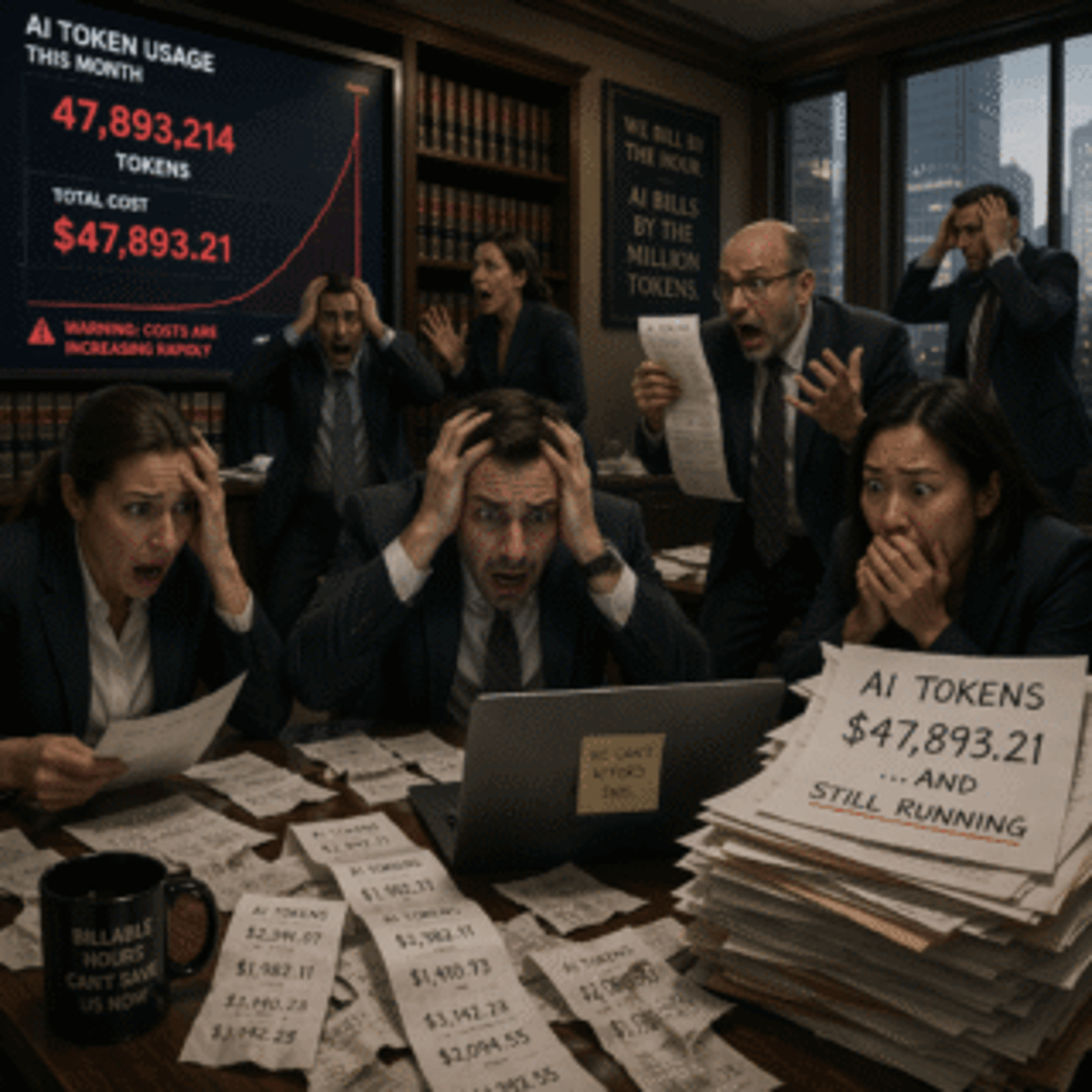
Legal AI vendors and commentators have warned that usage‑based pricing could explode as agentic workflows consume far more tokens than simple chat. The headline‑grabbing 1,000× multiplier, however, ignores two critical levers: prompt caching and the actual distribution of input versus output tokens. Cached context is billed at a fraction of the full rate, and output tokens— the true cost driver—remain modest even in aggressive loops. When these factors are applied, the worst‑case spend on a $50,000 M&A review tops out at roughly $38,000, a scenario that assumes extreme usage, zero caching and doubled token prices—an unlikely tail event.
More realistic data from Gartner and industry briefings place the agentic multiplier between 5× and 30×. At current Sonnet rates with typical 75% caching, the same review costs between $70 and $430, a fraction of a percent of the legal fee. This modest spend undermines the narrative that firms must lock into flat‑rate, per‑seat contracts to avoid runaway costs. Those contracts primarily benefit AI platform providers with high‑valuation, venture‑backed business models, not the law firms that would pay the same fee regardless of actual usage.
The conversation should shift from cost panic to token efficiency for broader reasons. Fewer tokens mean less client data leaves the firm, higher output quality, faster response times, and a smaller carbon footprint—critical as data‑center energy use approaches 1,050 TWh by 2026. Law firms need granular spend visibility to allocate AI costs by matter and practice, but the real competitive edge will come from leveraging token‑efficient workflows that enhance ESG reporting, associate leverage, and overall firm profitability.
The Token Cost Panic Is Wrong. Here Is the Math.
Comments
Want to join the conversation?