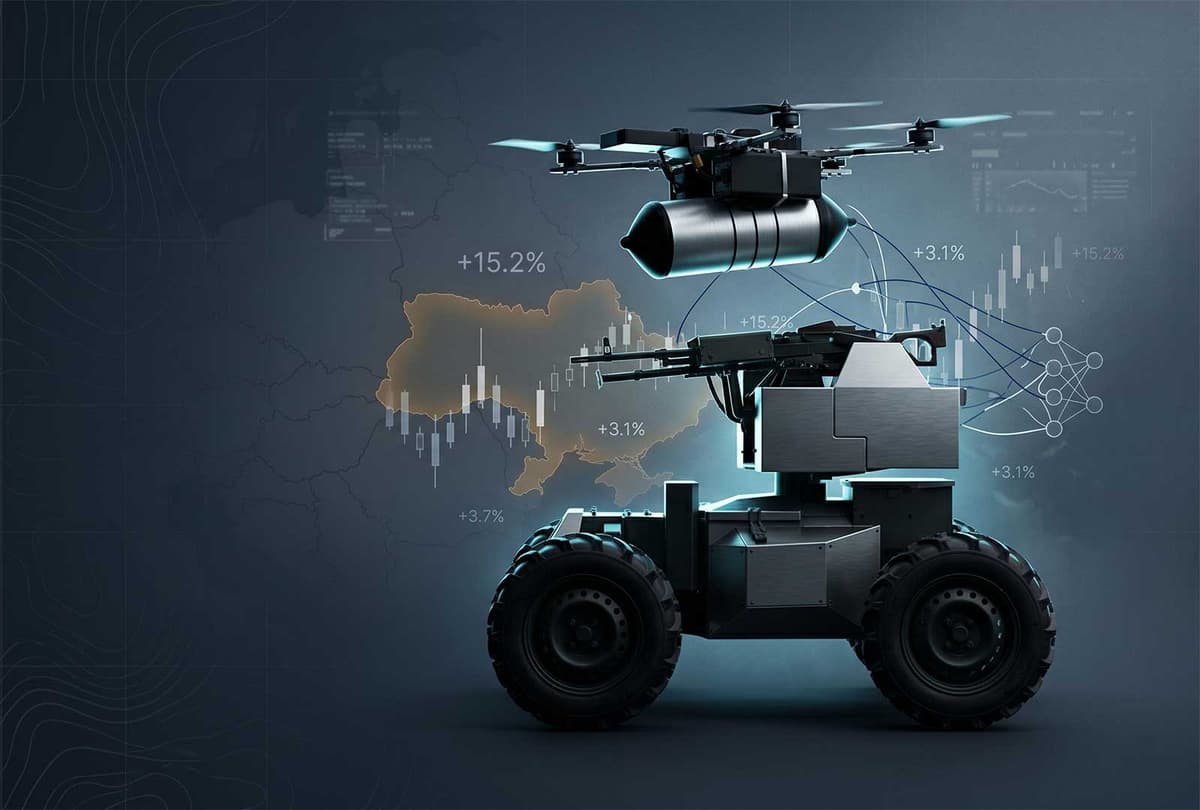
Ukraine Exports Autonomy as Combat Data Fuels Growth of Physical AI
Key Takeaways
- •Ukraine supplied 22,000 autonomous missions in first quarter
- •AUTNMY AI labels combat data as most underpriced autonomy asset
- •$250k construction robots replace $180k/year labor, 18‑month payback
- •Union Pacific secures 1,300 dispatchers’ jobs for merger support
- •Warehouse automation lifts rents 10% for power‑dense facilities
Pulse Analysis
Ukraine’s unprecedented combat data‑sharing program is reshaping the autonomy economy. By opening over 22,000 real‑world missions to allied governments and startups, the country provides a rare, high‑fidelity training set that dramatically reduces the cost and time required to perfect AI‑driven navigation and decision‑making. AUTNMY AI’s OMEGA algorithm flags this influx as the most underpriced event in the sector, suggesting that early adopters who integrate the data can leapfrog competitors and capture outsized market share in autonomous vehicle and drone markets.
The macro environment for Physical AI has shifted from hype to hard economics. A $250,000 autonomous construction system can now replace a skilled laborer costing $180,000 per year, delivering an 18‑month payback that is largely insulated from volatile interest‑rate cycles. This ROI‑centric model is prompting construction firms, mining operators, and infrastructure managers to allocate capital toward AI‑powered equipment, accelerating the transition from pilot projects to full‑scale deployments. The clear financial upside also attracts traditional investors who previously viewed autonomy as speculative, broadening the capital base supporting the sector.
In the United States, labor‑automation dynamics are evolving alongside technology adoption. Union Pacific’s agreement to guarantee lifetime employment for 1,300 dispatchers in exchange for non‑opposition to a merger illustrates a pragmatic compromise that could pave the way for broader train‑automation initiatives. Meanwhile, warehouse automation is already influencing real‑estate economics, with automation‑ready facilities commanding a 10% rent premium and power‑dense industrial spaces emerging as critical infrastructure for the autonomy supply chain. These trends indicate that physical AI is not only a technological shift but also a catalyst for new business models, labor arrangements, and property market structures that will define the next decade of industrial productivity.
Ukraine Exports Autonomy as Combat Data Fuels Growth of Physical AI
Comments
Want to join the conversation?