Why the Future Office Must Earn the Commute in an AI-Driven World with Bob Cicero
Key Takeaways
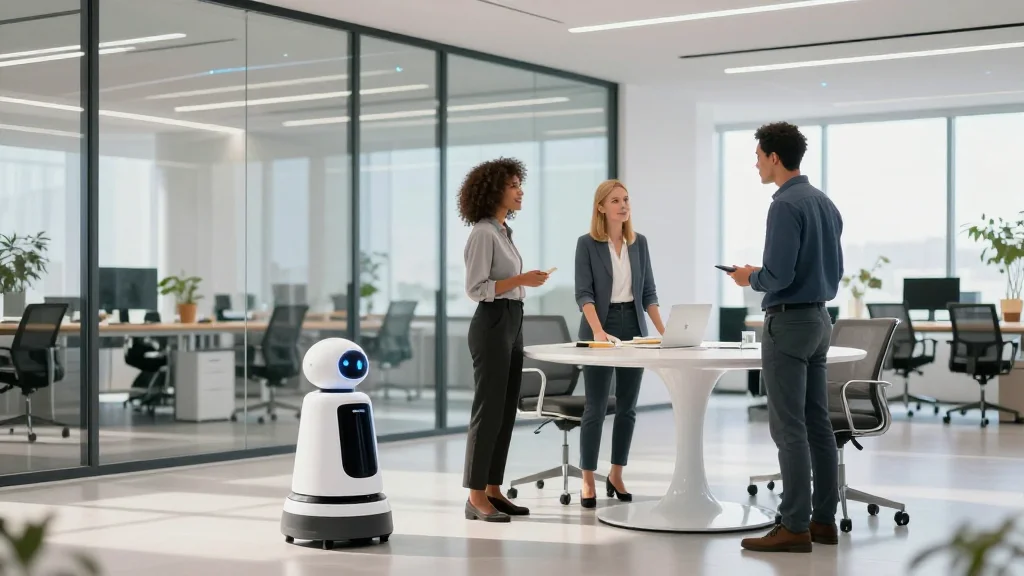
- •AI-driven digital workers will occupy virtual office space alongside humans
- •Companies must shift 70% of floorplan to collaborative “we space.”
- •Wi‑Fi and sensor data enable real‑time space utilization insights
- •Hybrid schedules force firms to “earn the commute” with compelling experiences
- •Real‑estate demand contracts overall but grows for sector‑specific needs
Pulse Analysis
The rise of agentic AI is prompting a fundamental rethink of office design. Rather than viewing space as a static backdrop for individual desks, organizations are now treating the workplace as a dynamic ecosystem where human teams and autonomous digital agents coexist. This shift drives a move toward "we spaces"—large, flexible areas that support spontaneous collaboration, brainstorming, and cross‑functional projects. By allocating roughly 70% of square footage to these collaborative zones, companies can create environments where AI handles routine, data‑intensive tasks while employees focus on creativity and strategic decision‑making.
Data‑driven insights are the engine behind this transformation. Cisco’s platform leverages Wi‑Fi analytics, occupancy sensors, and real‑time usage metrics to map how people and digital workers interact with the built environment. These signals enable facility managers to fine‑tune space allocation, reduce underutilized desks, and justify the cost of premium office experiences that truly "earn the commute." In hybrid work models, where employees split time between home and office, such granular visibility ensures that every square foot delivers measurable value and aligns with productivity goals.
The broader commercial real‑estate market reflects these trends. While overall office inventory is contracting as firms shed excess space, sectors that rely on intensive collaboration—such as tech, consulting, and creative industries—are expanding their footprints to accommodate the new "we space" paradigm. This divergence creates opportunities for landlords and developers to offer flexible, technology‑enabled environments that integrate AI services, secure connectivity, and adaptable layouts. Companies that proactively redesign their workplaces to harmonize human and digital workforces will gain a competitive edge in talent attraction, operational efficiency, and shareholder returns.
Why the Future Office Must Earn the Commute in an AI-Driven World with Bob Cicero
Comments
Want to join the conversation?