Why Upgrading to Claude Opus 4.7 Might Break Your Current Prompts
Key Takeaways
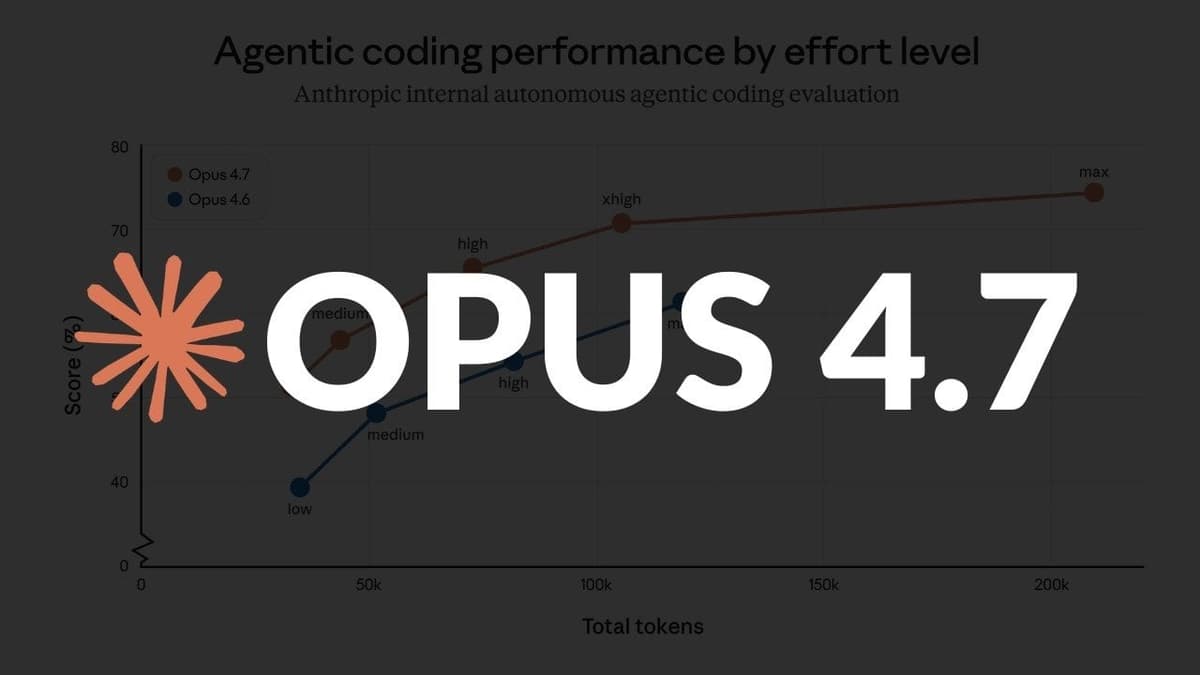
- •Opus 4.7 improves coding, image analysis, and document reasoning
- •Stricter instruction-following yields higher precision, requires prompt retuning
- •Tokenizer increase adds 1‑1.35× tokens, raising cost per request
- •Task Budgeting beta lets users allocate tokens across long projects
- •Beta features need testing; Methus still leads in cyber tasks
Pulse Analysis
Paragraph 1: Cloud Opus 4.7 marks Anthropic’s most ambitious model refresh, adding robust coding assistance, high‑resolution image handling, and a file‑system‑style memory that streamlines large‑dataset reasoning. These upgrades align with enterprise demands for AI‑driven development pipelines, where developers need reliable code generation and the ability to fuse visual data with textual prompts. By tightening multimodal understanding, Opus 4.7 positions itself as a competitive alternative to other foundation models that still struggle with detailed image analysis.
Paragraph 2: The trade‑off comes in token economics. The revised tokenizer inflates token counts by up to 35 percent, directly increasing per‑call costs and accelerating rate‑limit consumption. Teams that run high‑volume workloads—such as batch document processing or continuous code‑assistant sessions—must recalibrate budgeting models and may need to adopt the new Task Budgeting beta to spread token allocation across longer tasks. Prompt engineers will also spend time retuning instructions to accommodate the model’s stricter compliance, a short‑term productivity dip that can be mitigated with systematic testing.
Paragraph 3: Decision‑makers should treat Opus 4.7 as a strategic upgrade rather than a default replacement. Organizations focused on precision‑driven applications, like regulatory compliance checks or intricate software debugging, will likely see ROI from the enhanced accuracy. Conversely, firms with tight cost constraints or heavy cyber‑security workloads might favor Anthropic’s Methus preview or retain Opus 4.6 until the beta features mature. A phased rollout—starting with pilot projects that leverage the new multimodal and coding strengths—allows teams to quantify performance gains against token spend before committing to full migration.
Why Upgrading to Claude Opus 4.7 Might Break Your Current Prompts
Comments
Want to join the conversation?