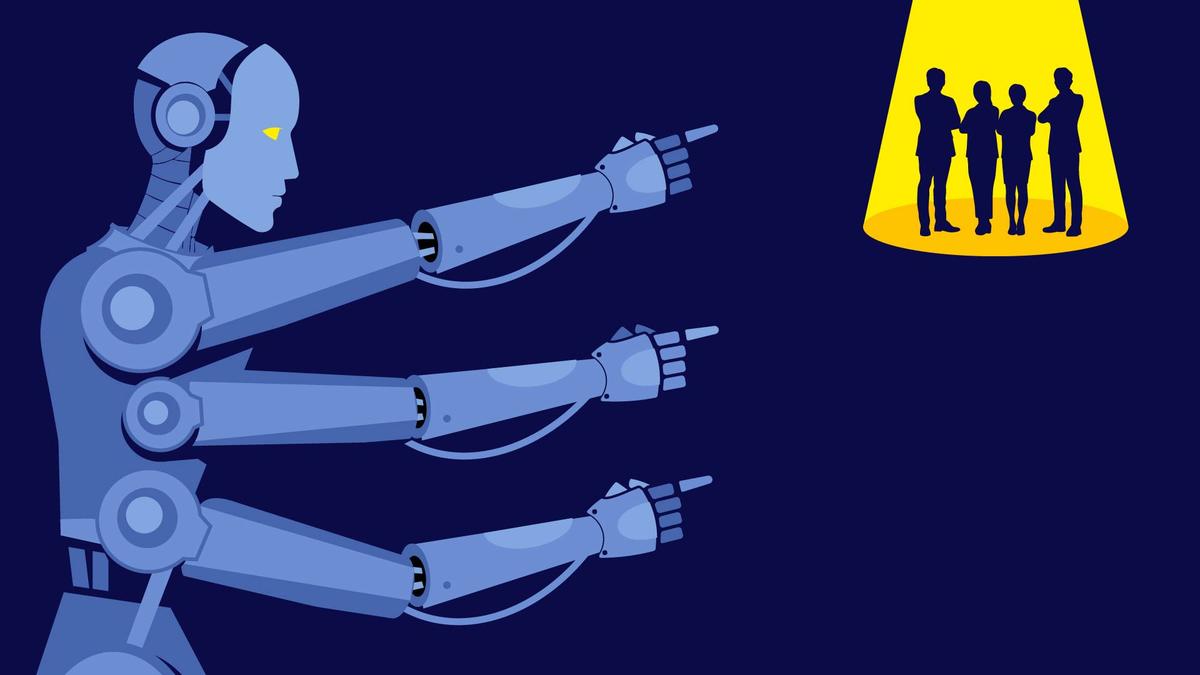
Your AI Agent Just Blamed the Network Team. Now What?
Key Takeaways
- •AI agents can autonomously pull data across network, app, DB, and infra
- •Scoped, investigation‑only credentials protect security while improving accuracy
- •Start with read‑only, shadow mode before granting any remediation rights
- •Transparent reasoning trails turn AI findings into auditable evidence
- •Organizational buy‑in is essential; evidence‑based facts reduce blame politics
Pulse Analysis
The rise of AI‑driven diagnostic agents marks a shift from reactive troubleshooting to proactive, data‑rich incident analysis. Unlike traditional chatbots that answer isolated log queries, these systems synthesize signals from networking gear, Kubernetes clusters, database metrics, and application logs to construct a causal graph of the failure. This capability shortens mean‑time‑to‑resolution and removes the human tendency to default blame, especially during overnight war‑rooms where seniority can cloud judgment. However, the power to traverse multiple domains introduces security and governance challenges that cannot be ignored.
Trust is the linchpin of any autonomous diagnostic deployment. Organizations must enforce investigation‑scoped credentials, ensuring the AI sees only the data necessary for a given incident and that access is revoked afterward. Starting with read‑only, shadow‑mode operation allows teams to evaluate accuracy without risking production changes. A transparent reasoning trail—essentially a debug log of hypotheses, evidence, and decision points—provides auditors and engineers a clear audit trail, turning the AI’s conclusions into verifiable facts rather than black‑box verdicts. When confidence wanes or data gaps appear, the system should gracefully hand off to a human, preserving credibility.
Leadership must treat AI diagnostics as a change‑management initiative, not merely a technical upgrade. A phased approach—shadow mode, read‑only human‑in‑the‑loop, then limited automated remediation—lets teams build confidence incrementally and negotiate the political sensitivities of cross‑team accountability. By securing buy‑in, defining clear escalation protocols, and continuously measuring trust metrics, enterprises can harness AI to reduce fatigue, improve reliability, and create a culture where evidence, not hierarchy, drives incident resolution. The future of operations hinges on this disciplined, transparent integration of intelligent agents.
Your AI agent just blamed the network team. Now what?
Comments
Want to join the conversation?