Participants
Why It Matters
By reliably uncovering hidden, druggable sites, IsoDDE can accelerate therapy development for targets long considered undruggable, justifying massive AI investment and reshaping biotech pipelines.
Key Takeaways
- •IsoDDE predicts protein pockets, binding affinity, and ligand orientation in one model
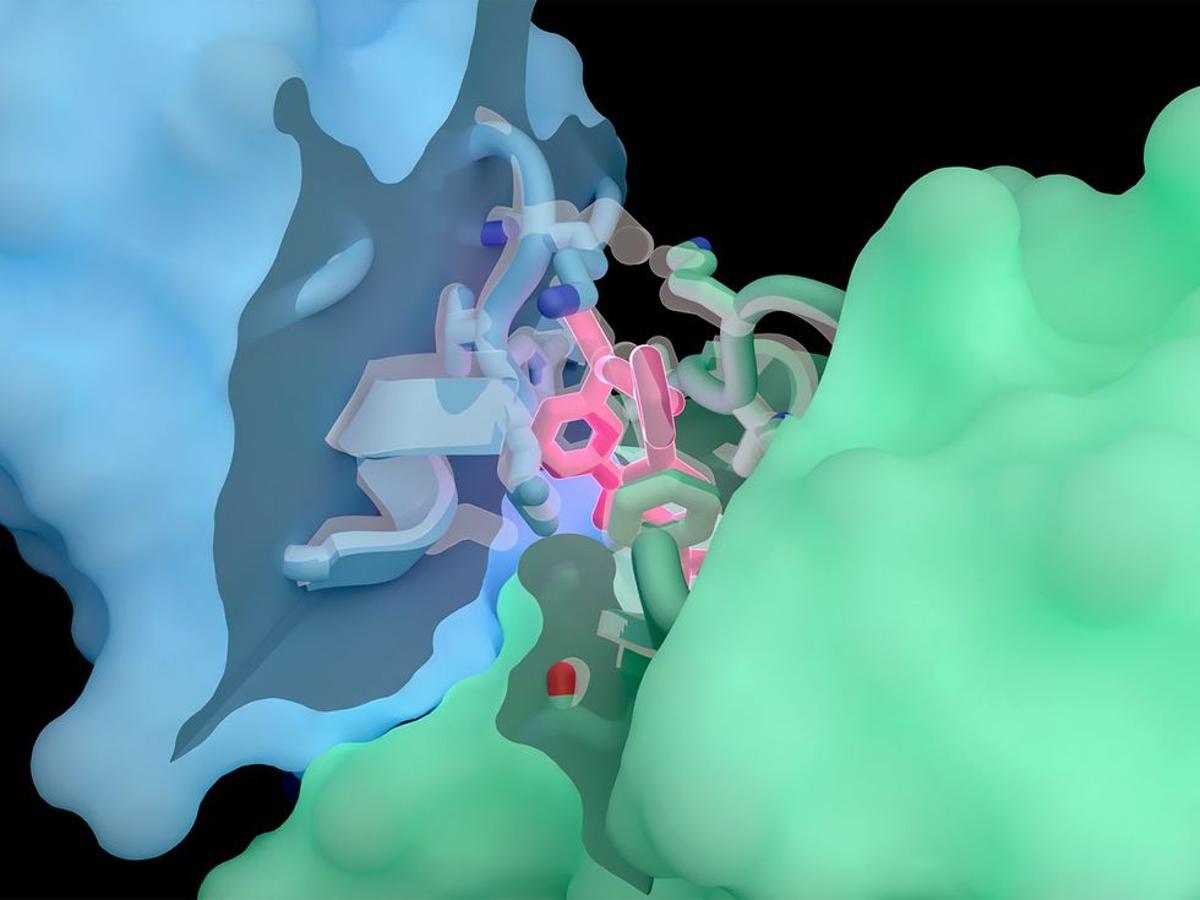
- •Validated by finding a novel cryptic pocket on cereblon from sequence alone
- •Supports small molecules, antibodies, molecular glues, and peptides for broader therapeutic reach
- •Backed by $2.1 billion funding and partnerships with Novartis and Eli Lilly
- •Aims to automate hypothesis generation and testing across the drug discovery workflow
Pulse Analysis
Artificial intelligence has already transformed structural biology, with AlphaFold2 and AlphaFold3 delivering unprecedented protein‑folding accuracy. Yet drug discovery demands more than static structures; it requires insight into how small molecules, antibodies or peptides engage dynamic binding sites. Traditional AI models struggle with novel, cryptic pockets that lie outside their training data, limiting their utility for pioneering therapeutics. This gap has spurred a new wave of research focused on integrating ligand‑protein interaction modeling, binding affinity estimation, and pocket discovery into a single, end‑to‑end framework.
Isomorphic Labs’ IsoDDE answers that call by unifying three core endpoints: structure prediction, pocket identification, and binding affinity forecasting. The system’s most striking validation came when it correctly predicted a previously unknown cryptic pocket on cereblon—a key protein in targeted protein degradation—using only the amino‑acid sequence. It also reproduced the exact ligand orientations observed in the crystal structure, demonstrating that the model can bridge the gap between theoretical prediction and practical drug design. By expanding the searchable landscape to include hidden sites, IsoDDE makes a broader swath of disease‑associated proteins tractable, opening avenues for small‑molecule inhibitors, molecular glues, and biologics alike.
The commercial implications are significant. Backed by a $2.1 billion Series B round and strategic alliances with Novartis and Eli Lilly, IsoDDE is positioned to become a core engine in pharma pipelines, potentially reducing the time and cost of early‑stage discovery. Its unified approach also hints at a future where AI agents autonomously generate hypotheses, design experiments, and interpret results, accelerating the iterative cycle that traditionally dominates drug development. As the industry grapples with the hype versus reality of AI, platforms that deliver concrete, reproducible advances—like IsoDDE’s cryptic‑pocket detection—will likely dictate the next wave of investment and innovation.
Deal Summary
Isomorphic Labs, the Google DeepMind spinout focused on AI-driven drug discovery, closed a $2.1 billion Series B funding round. The capital will accelerate development of its Isomorphic Drug Design Engine and expand partnerships with pharma leaders Novartis and Eli Lilly. Investor details were not disclosed.
Comments
Want to join the conversation?
Loading comments...