SeedAI
Yann LeCun’s AI Startup Raises over $1bn in Europe’s Largest Seed Round
•March 10, 2026
•Mar 10, 2026
0
Why It Matters
The convergence of AI‑driven warfare tools and regulatory disputes could reshape military decision‑making and set precedents for AI governance worldwide.
Key Takeaways
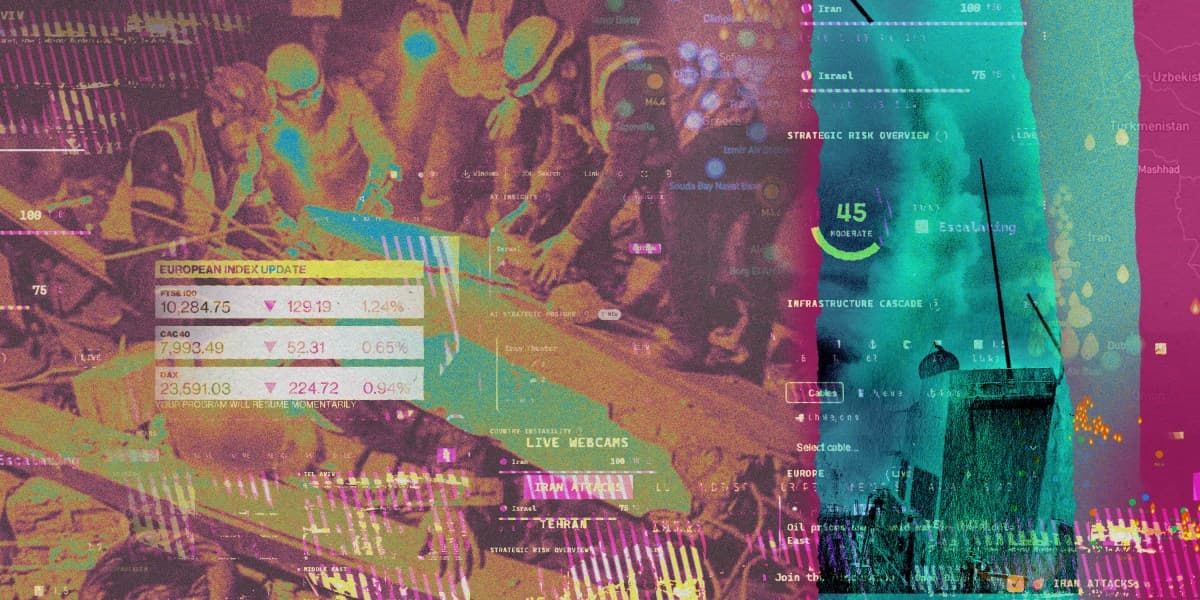
- •AI dashboards shape Iran conflict narratives.
- •Anthropic challenges Pentagon AI restrictions in court.
- •GPS jamming escalates Middle East navigation risks.
- •Quantum navigation proposed as GPS alternative.
- •Nvidia unveils open-source AI agent platform.
Pulse Analysis
The Iran conflict illustrates how artificial intelligence has moved beyond pure analytics to become a narrative engine on the modern battlefield. Vendors are deploying “vibe‑coded” dashboards that synthesize satellite feeds, social media chatter, and sensor data, offering commanders rapid situational awareness. Yet the opacity of these models raises questions about data provenance and bias, potentially amplifying misinformation and affecting strike choices. As militaries lean on AI for speed, the reliability of underlying feeds becomes a strategic vulnerability that could dictate outcomes as much as kinetic firepower.
Anthropic’s lawsuit against the Pentagon marks a pivotal moment in the tug‑of‑war between commercial AI developers and government regulators. The company argues that the blacklist violates contractual rights and stifles innovation, while the Department of Defense cites national‑security concerns over uncontrolled model deployment. This legal showdown could set a precedent for how AI technologies are vetted, licensed, and possibly restricted in defense contracts, influencing procurement strategies across the industry and prompting a broader debate on the balance between security and open innovation.
Beyond the immediate theater, related technological trends are reshaping the wider security landscape. GPS jamming in the Strait of Hormuz threatens both civilian navigation and military logistics, prompting interest in quantum‑based navigation as a resilient alternative. Meanwhile, Nvidia’s announcement of an open‑source AI‑agent platform signals a push toward democratizing advanced AI capabilities, potentially accelerating adoption in defense applications while also raising governance challenges. Together, these dynamics highlight a future where AI, quantum sensing, and open‑source ecosystems intersect, demanding nuanced policy frameworks that can keep pace with rapid technological evolution.
Deal Summary
Yann LeCun’s AI startup announced it has raised more than $1bn in a seed round, the largest seed funding ever in Europe. The round was reported on March 10, 2026, and will support the development of AI systems that can understand the physical world.
0
Comments
Want to join the conversation?
Loading comments...