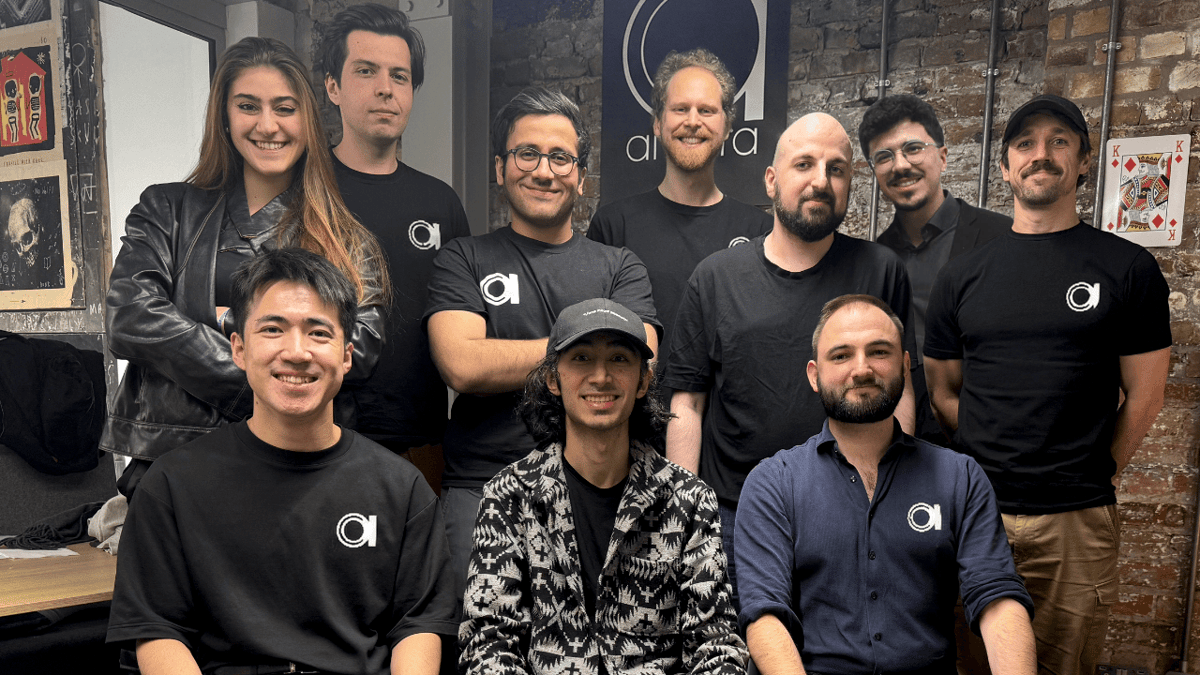
01C Launches Amara to Generate Full 3D Worlds From Simple Prompts
•February 2, 2026
0
Companies Mentioned


Why It Matters
By reducing environment creation from weeks to days, Amara lowers costs and accelerates time‑to‑market for indie studios and larger productions, reshaping the economics of interactive content creation.
Key Takeaways
- •Amara creates full 3D worlds from text prompts.
- •Built natively for Unreal Engine, integrates with existing pipelines.
- •Generates production‑ready assets, preserving physics and editability.
- •Cuts environment creation time from weeks to days for indies.
- •Early access drove viral campaigns, 40M views, confirming demand.
Pulse Analysis
The rise of generative AI has transformed visual content, but most solutions focus on 2D images or video, leaving interactive 3D environments under‑served. Amara tackles this gap by producing true 3D meshes that retain physics, lighting, and individual object editability. Unlike video‑based generators that re‑render frames on the fly, Amara’s assets persist within the engine, ensuring consistent behavior for gameplay, simulation, or virtual production. This technical distinction is crucial for developers who need reliable collision, animation rigs, and real‑time rendering pipelines.
For indie studios and smaller production houses, the platform promises a dramatic shift in resource allocation. Traditional environment creation can consume weeks of artist labor, inflating budgets and delaying releases. Amara’s prompt‑driven workflow compresses that timeline to days, allowing teams to iterate rapidly and experiment with multiple scene variations without additional cost. Early access demonstrated commercial viability, powering viral marketing campaigns for brands like McLaren and eBay and amassing over 40 million views, signaling strong market appetite for scalable, AI‑enhanced world building.
Looking ahead, Amara positions itself against emerging AI world‑generation tools by emphasizing integration rather than ecosystem lock‑in. Its native Unreal Engine support means studios can adopt the technology without overhauling existing pipelines, a strategic advantage in a fragmented market. As the company eyes further B2B partnerships and a new fundraising round, the broader industry may see a cascade of AI‑driven efficiencies that democratize AAA‑level asset creation, while preserving the creative agency of human designers. This balance of automation and artistic control could redefine the economics of game and film production in the next few years.
01C launches Amara to generate full 3D worlds from simple prompts
0
Comments
Want to join the conversation?
Loading comments...