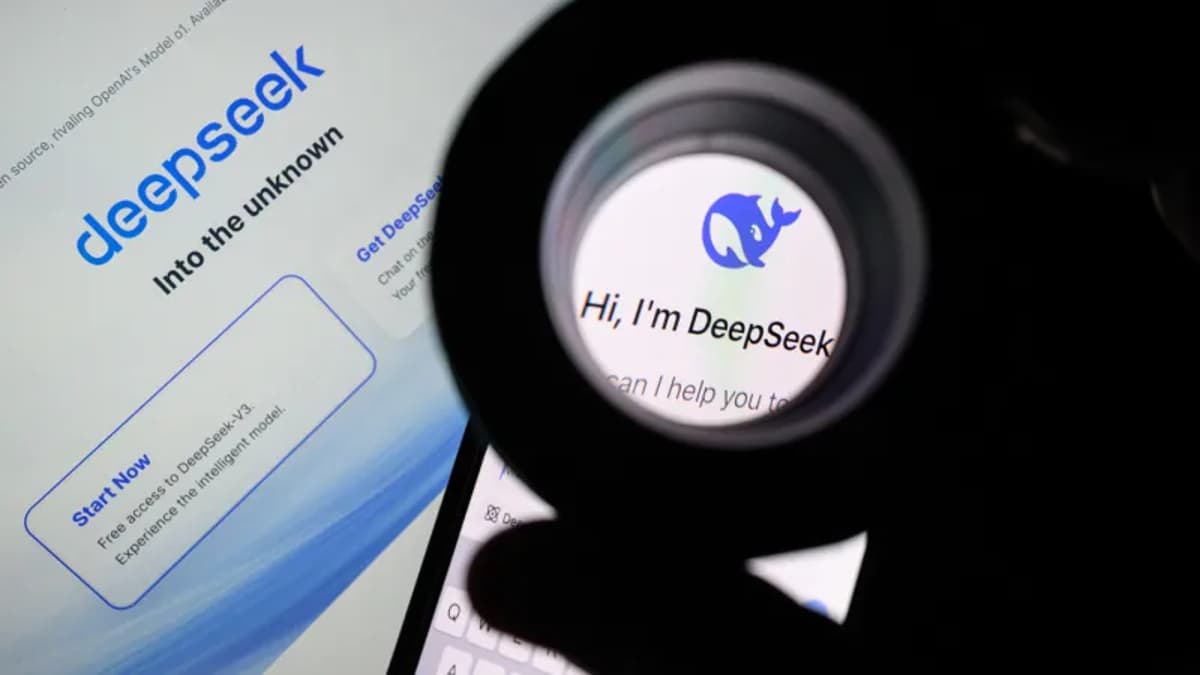
A Look Under the Hood of DeepSeek’s AI Models Doesn’t Provide All the Answers
•December 9, 2025
0
Companies Mentioned

Why It Matters
Understanding DeepSeek’s training methods informs investors and developers about competitive advantages, while the unresolved reasoning gaps underscore the industry’s broader challenge of model interpretability.
Key Takeaways
- •DeepSeek's models trained on massive multilingual dataset
- •Researchers identified transformer architecture with sparse attention
- •Multistep math performance remains inconsistent across benchmarks
- •Transparency limited; internal weights not publicly released
- •Findings highlight need for explainable AI research
Pulse Analysis
The peer‑review of DeepSeek’s AI models offers a rare glimpse into the engineering choices that differentiate it from rivals like OpenAI and Anthropic. By leveraging a trillion‑token multilingual dataset, DeepSeek aims to produce a more universally capable system, and its adoption of sparse‑attention transformers reduces computational overhead while maintaining scale. These technical decisions suggest a strategic focus on cost‑effective deployment across diverse markets, positioning the company to capture emerging opportunities in non‑English language services.
Despite the disclosed training regimen, the analysis underscores a critical blind spot: the models’ internal reasoning pathways remain largely inscrutable. Researchers observed that while the models can generate plausible code snippets, they frequently falter on multi‑step mathematical problems, indicating gaps in systematic problem‑solving abilities. This inconsistency raises concerns for enterprises that depend on reliable, deterministic outputs for finance, engineering, or regulatory compliance, highlighting the need for robust verification frameworks and possibly hybrid AI approaches that combine neural networks with symbolic reasoning.
The broader implication for the AI ecosystem is a renewed emphasis on explainability and transparency. DeepSeek’s reluctance to release model weights or detailed inference logs limits external validation, potentially slowing adoption among risk‑averse sectors. As regulators worldwide tighten standards for AI accountability, companies that proactively publish interpretability research and open‑source components may gain a competitive edge. Stakeholders should monitor how DeepSeek responds to these pressures, as its next moves could set precedents for balancing proprietary innovation with industry‑wide trust.
A look under the hood of DeepSeek’s AI models doesn’t provide all the answers
0
Comments
Want to join the conversation?
Loading comments...