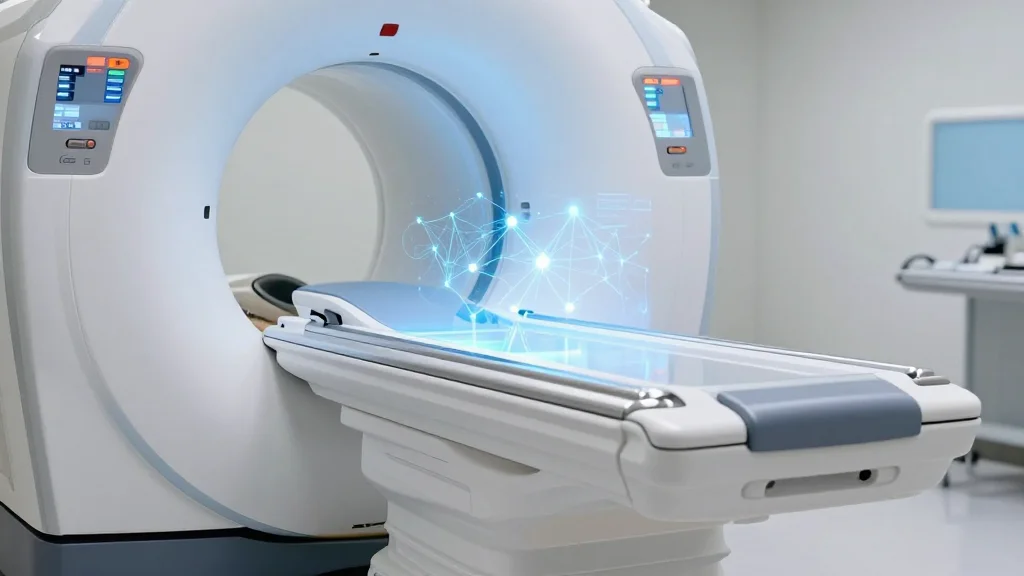
A Manitoba MRI Breakthrough, Thanks to Software
Why It Matters
The speed and quality gains free up MRI capacity, reduce patient wait times, and set a scalable model for rural health systems nationwide.
Key Takeaways
- •Deep Resolve cut MRI scan times by 40‑70%
- •Daily scans rose from ~25 to 60 after software upgrade
- •Patient anxiety dropped thanks to shorter, calmer MRI experience
- •Province plans province‑wide rollout using Boundary Trails templates
- •Rural team set new benchmark for MRI efficiency in Canada
Pulse Analysis
Artificial intelligence is reshaping diagnostic imaging, and Deep Resolve exemplifies how software can outperform hardware upgrades alone. By integrating AI‑enhanced reconstruction algorithms, the system accelerates data acquisition without compromising resolution, allowing technologists to capture sharper lumbar spine images in a fraction of the usual time. This leap mirrors broader trends where machine‑learning models streamline radiology pipelines, delivering faster diagnoses and enabling clinicians to focus on interpretation rather than acquisition bottlenecks.
At Boundary Trails, the operational impact was immediate. Scan durations collapsed from 20 minutes to five, propelling daily exam counts from roughly 25 to 60 during specially planned "blitz" days. The efficiency surge translated into shorter patient appointments, reduced claustrophobia, and a calmer environment enhanced by music‑streaming headphones and natural lighting. Staff morale surged as technologists embraced new workflows, virtual simulations, and continuous process tweaks, turning a rural centre into a high‑throughput imaging hub that rivals urban facilities.
The ripple effect extends beyond Manitoba. Shared Health Diagnostic Services is leveraging the Boundary Trails playbook—templates, training modules, and best‑practice checklists—to replicate the model province‑wide. Scaling AI‑driven MRI can alleviate national bottlenecks, lower operational costs, and improve access for underserved communities. As more Canadian hospitals adopt Deep Resolve, the industry may see a paradigm shift where software upgrades become the primary lever for capacity expansion, setting a new standard for cost‑effective, patient‑centered imaging care.
A Manitoba MRI breakthrough, thanks to software
Comments
Want to join the conversation?
Loading comments...