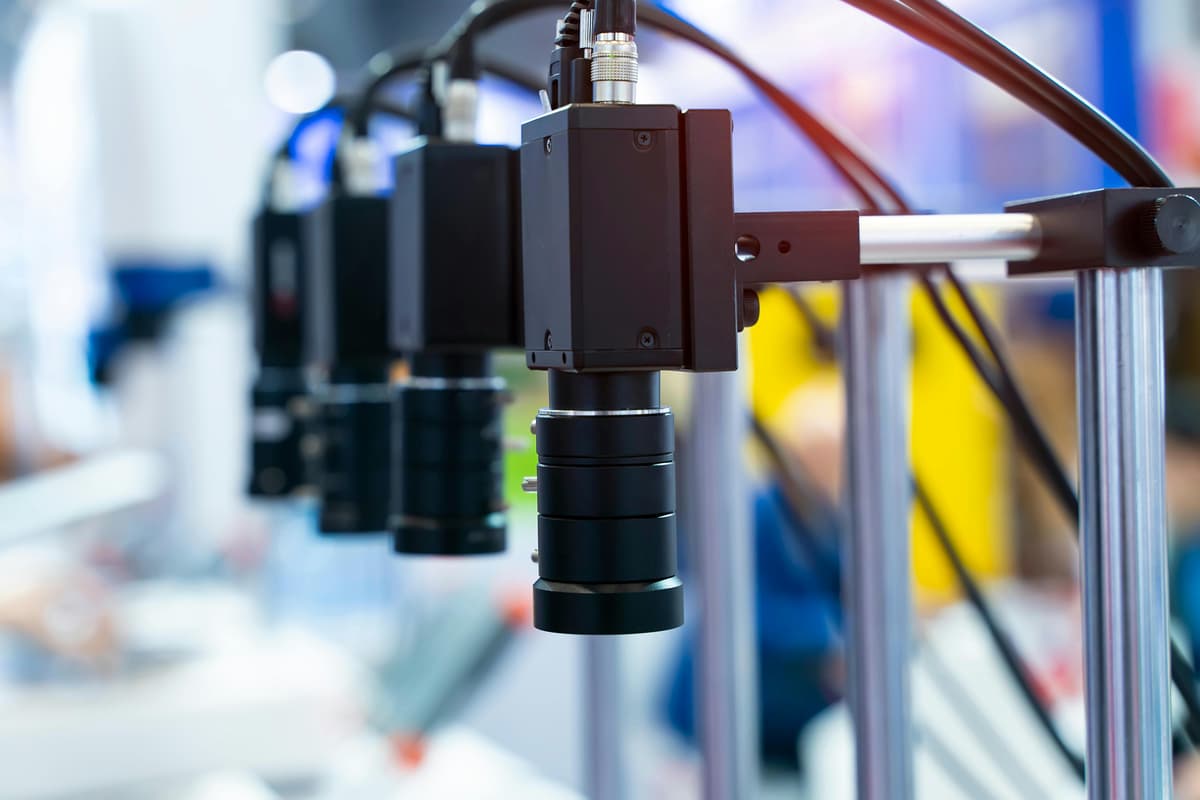
A Practical Quick Start Guide for Reliable Machine Vision Applications
Why It Matters
Structured, phase‑based integration reduces project risk and accelerates time‑to‑value for vision‑enabled automation, a critical competitive lever in modern factories.
Key Takeaways
- •Follow four-phase integration: preparation, design, implementation, deployment
- •Document performance specs and acceptance criteria early to avoid rework
- •Select camera, lens, lighting based on resolution and field‑of‑view needs
- •Prototype vision software before final assembly to catch issues early
- •Maintain cross‑functional team with optics, controls, programming expertise
Pulse Analysis
Machine vision has moved from niche inspection tools to a strategic enabler of smart factories. Analysts estimate that by 2028 more than 70% of midsize manufacturers will embed vision systems in their production lines, driven by the need for real‑time quality data, reduced scrap, and higher throughput. The technology’s ability to extract actionable information from images aligns directly with the data‑centric goals of Industry 4.0, making it a key differentiator for firms seeking to compete on efficiency and product consistency.
Despite its promise, many vision projects falter because they are treated like ad‑hoc hardware swaps rather than full‑scale system integrations. The quick‑start guide’s four‑phase framework forces teams to conduct thorough application analysis, define measurable performance metrics, and lock down component specifications before any capital is spent. Early acceptance‑test planning and iterative prototyping catch optical or algorithmic mismatches in a controlled environment, preventing expensive redesigns once the system is on the plant floor. This disciplined approach mirrors best practices in broader automation initiatives, where clear requirements and validation steps are non‑negotiable.
For manufacturers, adopting the guide translates into faster deployment cycles and clearer ROI calculations. Reliable vision systems can reduce defect rates by up to 30% and enable predictive maintenance through continuous monitoring, directly impacting bottom‑line profitability. Looking ahead, the convergence of traditional machine vision with deep‑learning models will expand use cases into defect classification and adaptive process control, further cementing vision’s role as a core pillar of digital transformation.
A practical quick start guide for reliable machine vision applications
Comments
Want to join the conversation?
Loading comments...