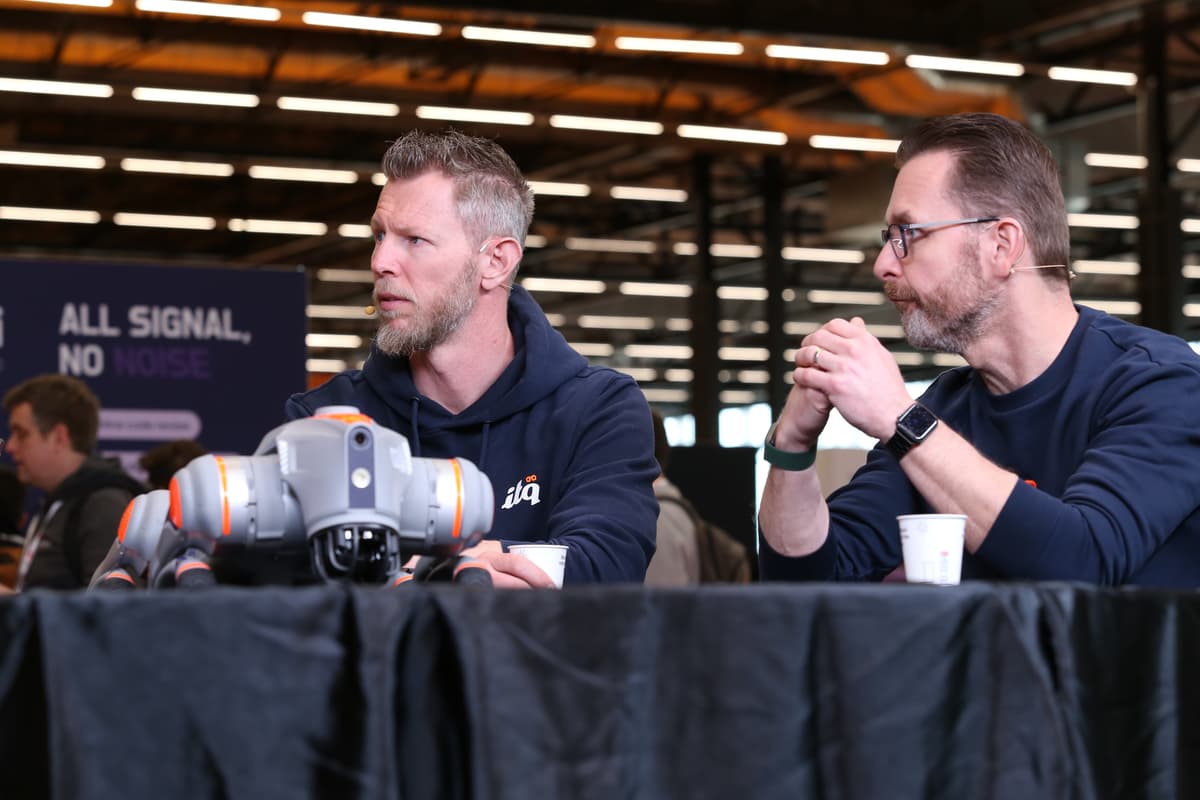
A Robot Dog, a Cloud-Native AI Platform and the Journey From POC to Production
Why It Matters
Accelerating AI from lab to production reduces time‑to‑value and eases skill gaps, driving broader enterprise adoption of cloud‑native machine learning.
Key Takeaways
- •ITQ built Q9 robot dog using OpenShift AI platform.
- •Platform compresses AI project timeline from months to weeks.
- •Managed services include operations, training, and upskilling.
- •Use‑case assessments guide AI initiatives, avoiding technology push.
- •Kubernetes training center helps transition from Windows‑centric teams.
Pulse Analysis
Enterprises are still wrestling with the chasm between AI pilots and scalable production systems. While many organizations can train a model in a sandbox, moving that model into a resilient, multi‑tenant environment often requires weeks of custom scripting, security hardening, and infrastructure provisioning. By leveraging a cloud‑native stack built on Red Hat OpenShift, ITQ demonstrates that a single, opinionated platform can deliver the entire lifecycle—data ingestion, model training, API exposure, and monitoring—without the usual orchestration overhead. The robot dog Q9 serves as a tangible proof point, showing that sophisticated AI workloads can run reliably on Kubernetes, even at the edge.
ITQ’s methodology goes beyond technology, starting each engagement with a use‑case assessment that translates business problems into concrete AI deliverables. This front‑loading of strategy prevents the common pitfall of “technology‑first” projects that stall after initial excitement. Coupled with a managed‑services model, the company provides ongoing operations, performance tuning, and user enablement, ensuring that the AI solution continues to generate value after go‑live. Their role as a CNCF‑certified Kubernetes training center further mitigates the talent shortage, upskilling teams that traditionally rely on Windows and virtualization stacks to adopt cloud‑native practices.
The broader implication for the market is clear: cloud‑native AI platforms like OpenShift are becoming the de‑facto foundation for rapid, production‑grade machine learning. As more vendors bundle training pipelines, model registries, and serving layers into a single Kubernetes‑native offering, enterprises can expect shorter deployment cycles, lower total cost of ownership, and a smoother path from experimentation to revenue‑impacting applications. This shift is likely to accelerate AI diffusion across sectors that have previously been hesitant due to complexity and resource constraints.
A robot dog, a cloud-native AI platform and the journey from POC to production
Comments
Want to join the conversation?
Loading comments...