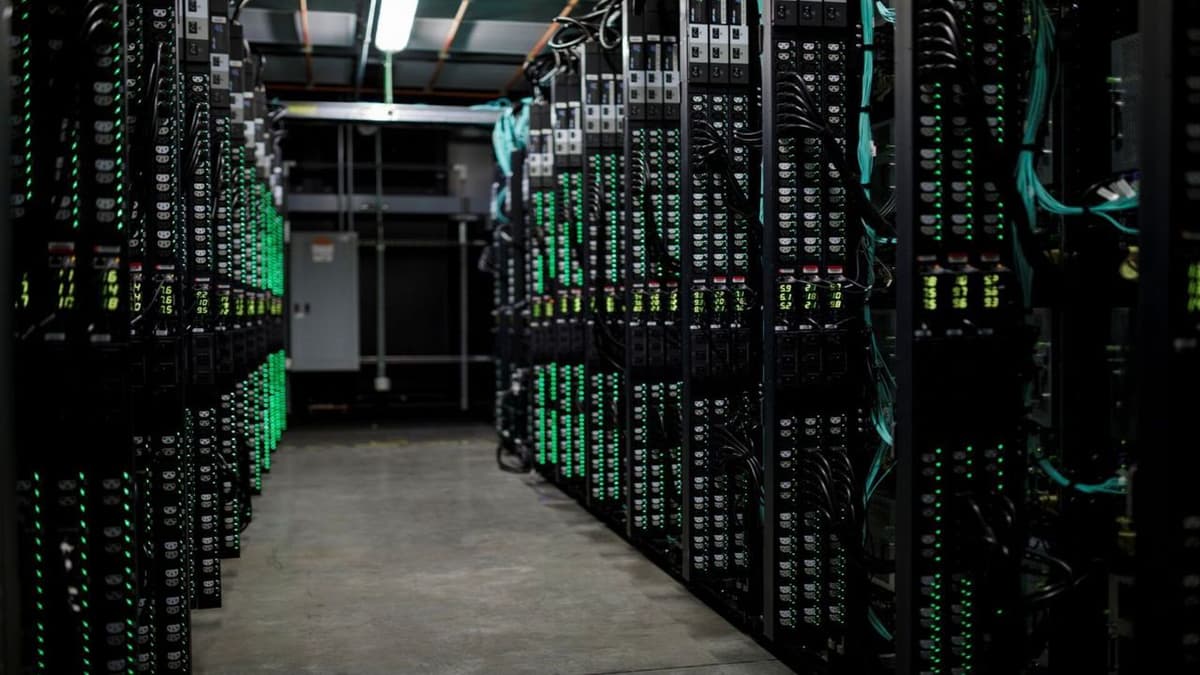
'A Self-Inflicted Hit': Washington State Just Rolled Back Sales Tax Exemptions for AI Data Centers Worth Hundreds of Millions

Companies Mentioned
Why It Matters
Higher upgrade costs may deter AI data‑center investments, reshaping Washington’s competitive edge in a market where tax incentives drive location decisions.
Key Takeaways
- •Washington narrows sales‑tax exemption for data‑center equipment upgrades.
- •New builds still enjoy full exemption, creating split‑policy incentive.
- •Higher upgrade costs could slow AI infrastructure expansion in the state.
- •Other states watching Washington’s move as a fiscal‑policy precedent.
Pulse Analysis
Tax incentives have become a cornerstone of the U.S. data‑center boom, with states competing to lure capital‑intensive AI projects through reduced sales taxes and other subsidies. Washington historically offered a broad exemption that lowered the effective price of high‑performance servers and networking gear, making the Pacific Northwest a magnet for cloud providers and AI developers. By narrowing that exemption to only new builds, the state is signaling a shift from blanket subsidies toward more targeted fiscal stewardship, a stance that could reverberate across the nation’s tech corridors.
The immediate impact of SB 6231 is financial friction for operators seeking to refresh aging hardware. Upgrading GPUs, ASICs, and storage arrays now incurs full sales tax, potentially adding tens of thousands of dollars per rack. For companies like Microsoft, which already operate massive facilities in the region, the added expense could delay refresh cycles or push new capacity to jurisdictions with more generous treatment. While the legislation preserves incentives for greenfield projects, the split‑policy creates a strategic calculus: firms must weigh the long‑term benefits of Washington’s skilled workforce and energy mix against the short‑term cost hike on upgrades.
Washington’s recalibration joins a broader reassessment of data‑center subsidies. States such as Virginia, Arizona, and Georgia are debating whether to tie tax breaks to environmental performance or phase them out entirely. The trend reflects growing public scrutiny over the fiscal burden of subsidizing AI infrastructure, especially as the sector’s energy consumption surges. As policymakers balance economic development with budgetary responsibility, the industry may see a migration toward locations offering a blend of tax relief and sustainability incentives, reshaping the geographic landscape of America’s AI future.
'A self-inflicted hit': Washington state just rolled back sales tax exemptions for AI data centers worth hundreds of millions
Comments
Want to join the conversation?
Loading comments...