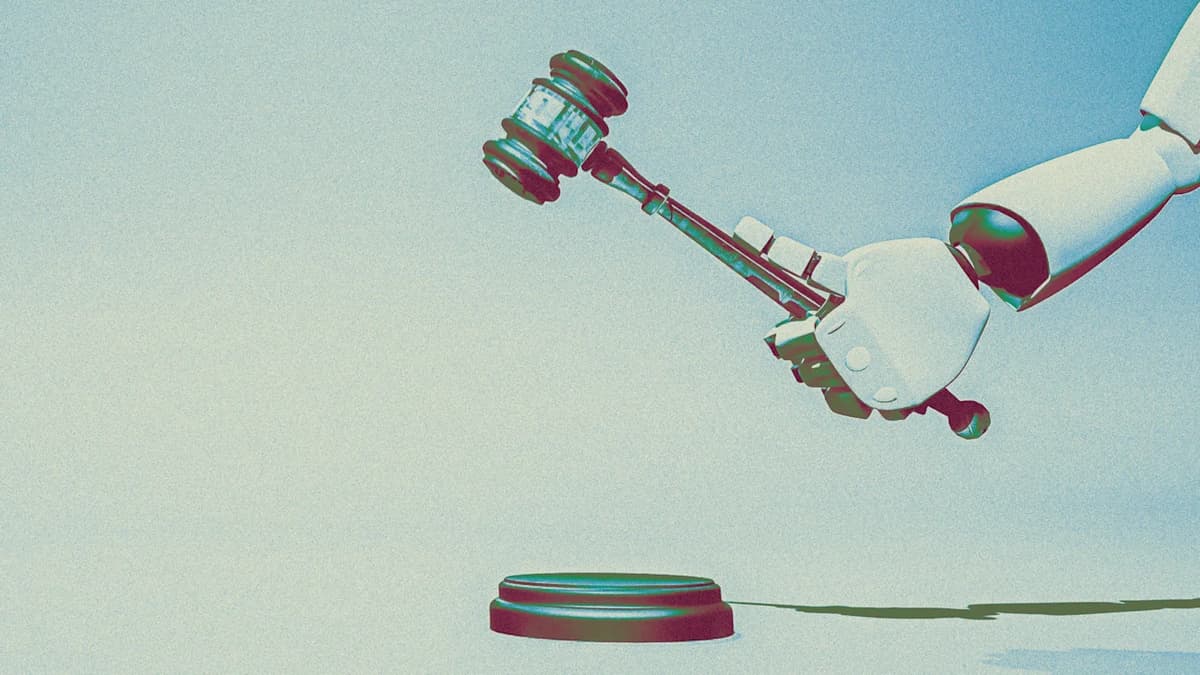
A Strange Quirk of the Legal Profession Means Lawyers May Soon Have to Adopt AI—Or Face Malpractice

Why It Matters
The shift signals that AI competence may become a legal duty, exposing lawyers to malpractice claims if they ignore available technology. This raises the stakes for risk management and client service across the industry.
Key Takeaways
- •Massachusetts lawyer sanctioned for citing AI‑fabricated cases
- •California attorney fined $10,000 for ChatGPT hallucinations
- •Courts may deem failure to use AI as negligence
- •AI adoption could become fiduciary duty for lawyers
- •Misuse of LLMs risks malpractice claims and reputational damage
Pulse Analysis
The legal sector has long lagged behind other professional services in digital adoption, but the rise of large language models is forcing a reckoning. High‑profile missteps—such as a Massachusetts attorney who cited nonexistent cases generated by ChatGPT and a California lawyer fined $10,000 for similar hallucinations—have put the spotlight on the technology’s double‑edged nature. While many firms remain wary of confidentiality breaches and ethical pitfalls, clients increasingly demand faster, data‑driven insights, prompting a wave of pilot programs and venture capital into AI‑enabled research platforms.
Beyond client expectations, a more consequential driver is emerging liability. Courts are beginning to treat the reasonable‑person standard for attorneys as encompassing the use of available technology. Failure to employ AI tools that could prevent obvious errors may be construed as a breach of fiduciary duty, opening the door to malpractice suits. Legal ethics opinions are already hinting that neglecting AI could violate Rule 1.1’s competence requirement, and some jurisdictions are drafting guidance that explicitly references AI competence as a professional obligation.
Law firms that act now can turn compliance into a competitive advantage. Implementing vetted LLMs, establishing clear validation workflows, and training staff on prompt engineering reduce the risk of hallucinated citations while preserving confidentiality. Vendors offering domain‑specific models with built‑in citation verification are gaining traction, and insurers are beginning to offer malpractice policies that cover AI‑related errors. As the regulatory landscape solidifies, early adopters will likely enjoy lower litigation exposure, higher efficiency, and stronger client trust, reshaping the economics of legal practice.
A strange quirk of the legal profession means lawyers may soon have to adopt AI—or face malpractice
Comments
Want to join the conversation?
Loading comments...