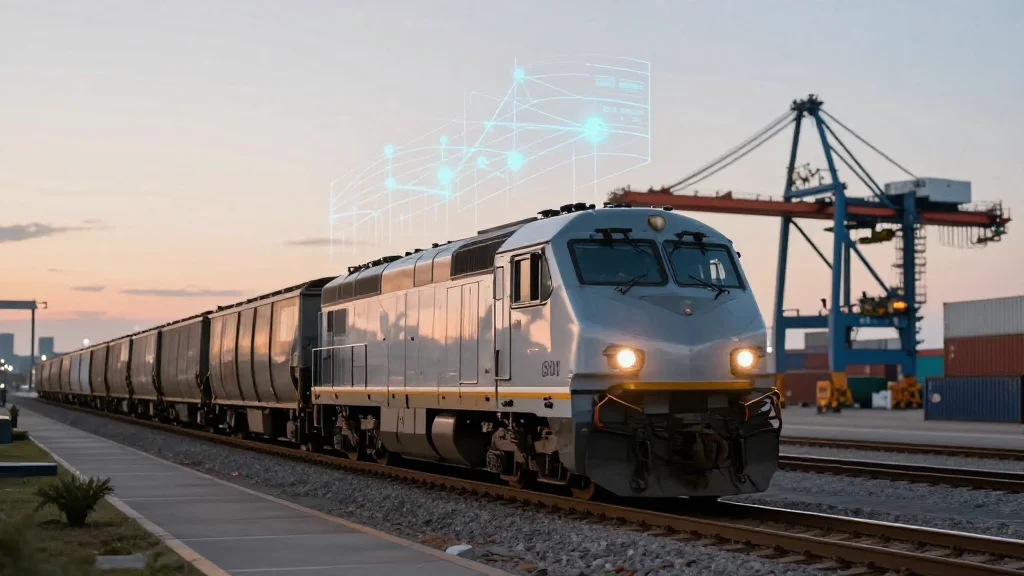
Adoption of AI-Powered Platform Signals Momentum Shift for Project Logistics Tech
Companies Mentioned
Why It Matters
Accelerating rail clearances cuts costly delays and boosts capacity for oversized shipments, prompting wider AI investment across project logistics. Faster, data‑rich decisions improve risk management and profitability for shippers and ports alike.
Key Takeaways
- •Port of New Orleans first to deploy AI rail clearance platform
- •Platform cuts oversized cargo clearance from months to days
- •Uses Palantir Foundry to parse unstructured project cargo data
- •Joint venture UTC Transoceanic merges Transoceanic and UTC Overseas
- •Logiswift and Sedna AI tools indicate broader industry adoption
Pulse Analysis
Project cargo and breakbulk moves have long resisted digital transformation because each shipment is unique, generating massive volumes of unstructured data. Traditional clearance processes rely on manual email exchanges with multiple railroads, often taking six months to secure approvals. The new AI‑powered platform at the Port of New Orleans tackles this pain point by feeding raw cargo dimensions, weight, and railcar specs into a Palantir Foundry‑based model that instantly evaluates network constraints and suggests viable routes. This shift from static historical tables to dynamic, data‑driven analysis reduces clearance time dramatically and provides shippers with real‑time visibility into rail capacity.
The system’s customer‑facing application, TEID‑RDC, streamlines the entry of cargo details and instantly generates clearance coordinates for the entire 32‑mile Public Belt rail line. By continuously updating rail infrastructure data, the platform mitigates knowledge loss caused by staff turnover and infrastructure upgrades. For the Port of New Orleans, which interfaces with all six Class I railroads, the technology translates into faster turnaround, higher berth utilization, and the ability to attract more oversized shipments that previously faced prohibitive delays.
Beyond New Orleans, early adopters such as Dubai‑based Logiswift and maritime‑tech firm Sedna signal a broader industry momentum toward AI‑enhanced logistics. While human expertise remains essential for complex project planning, AI’s capacity to parse unstructured data, improve commercial accuracy, and flag risk factors promises long‑term efficiency gains. As more ports and forwarders integrate similar platforms, the breakbulk sector is poised to close the digital gap, delivering faster, more reliable service to global energy and infrastructure projects.
Adoption of AI-powered platform signals momentum shift for project logistics tech
Comments
Want to join the conversation?
Loading comments...