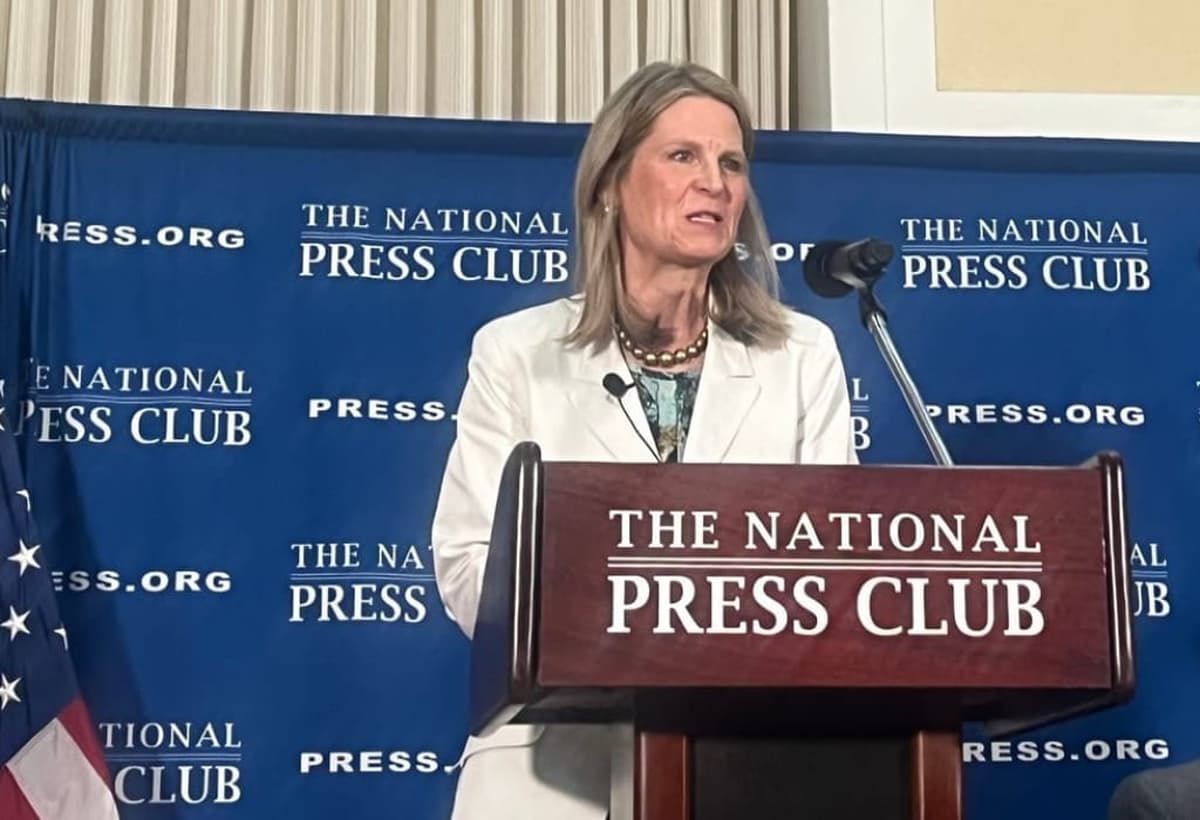
AFL-CIO President Calls AI 'Single Biggest Threat to Working People of Our Lifetime'
Companies Mentioned
Why It Matters
Unregulated AI could amplify workplace injuries, erode privacy, and displace millions, threatening labor market stability. The push for transparency and human oversight marks a pivotal shift in how policymakers and unions will shape AI governance.
Key Takeaways
- •AFL-CIO president labels AI the biggest threat to workers
- •Survey: 95% want human decisions on hiring, firing, pay
- •Only 7% say employers disclosed AI monitoring, 10‑to‑1 gap
- •Goldman Sachs predicts 7% of U.S. jobs displaced in decade
- •AI‑Related Job Impacts Clarity Act seeks quarterly AI‑layoff data
Pulse Analysis
Artificial intelligence is reshaping the labor landscape at an unprecedented pace, prompting unions to take a front‑line role in defending workers’ rights. Liz Shuler’s stark warning reflects growing anxiety that AI‑driven surveillance and automation could erode safety protocols that already failed 7.5 million workers in 2024. By framing AI as a systemic risk rather than a niche technology issue, the AFL‑CIO is positioning itself as a key stakeholder in the national conversation about responsible AI deployment, echoing concerns raised by industry analysts and consumer advocates alike.
The AFL‑CIO’s latest survey of 1,200 workers reveals a stark transparency gap: while 95% of respondents insist that humans, not machines, should decide hiring, firing and compensation, only 7% say their employers have disclosed AI monitoring practices. This 10‑to‑1 disparity underscores a broader demand for clear, enforceable standards that protect employee privacy and prevent algorithmic bias. Legislative efforts such as the AI‑Related Job Impacts Clarity Act aim to fill this void by mandating quarterly reporting on AI‑related layoffs, hiring and retraining, yet bipartisan gridlock has stalled progress, leaving unions to pursue collective‑bargaining solutions at the state level.
For businesses, the message is clear: integrating AI without robust oversight can trigger regulatory backlash, union resistance, and reputational damage. Companies that proactively embed human‑in‑the‑loop safeguards, disclose monitoring policies, and invest in reskilling programs will likely avoid the pitfalls highlighted by Shuler and the Goldman Sachs projection that 7% of U.S. jobs could vanish within a decade. As AI becomes an inseparable part of every workplace, aligning technology strategy with labor‑friendly policies will be essential for sustainable growth and social license to operate.
AFL-CIO President Calls AI 'Single Biggest Threat to Working People of Our Lifetime'
Comments
Want to join the conversation?
Loading comments...