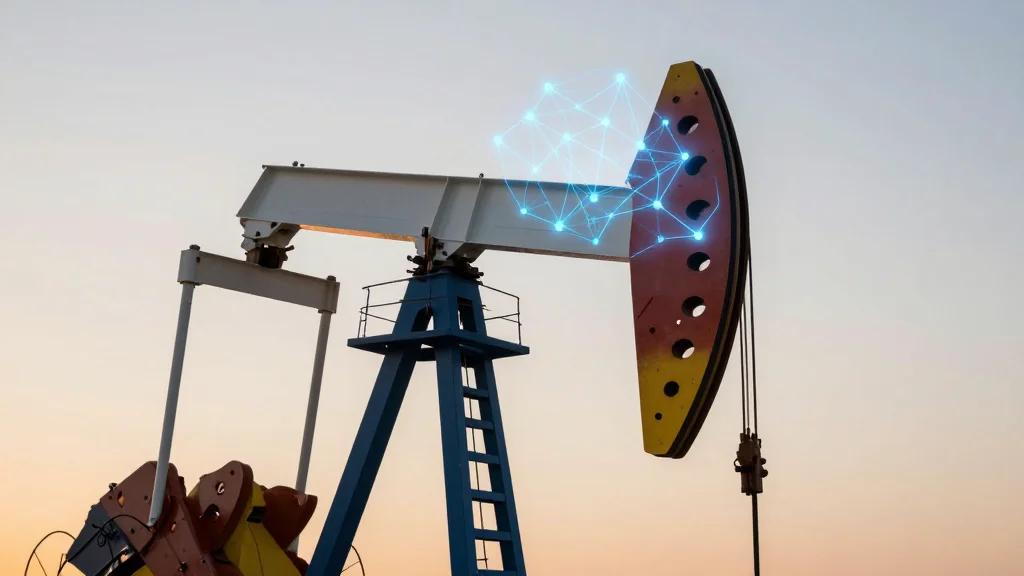
Why It Matters
AI‑driven efficiencies could reshape upstream economics, giving early adopters a decisive profit edge in a capital‑intensive industry.
Key Takeaways
- •E&Ps integrate AI to increase discovery rates.
- •AI tools aim to cut upstream operating costs.
- •Companies report higher cash flow potential, but data remains private.
- •AI adoption accelerates as competition pressures efficiency.
Pulse Analysis
The upstream oil and gas landscape is undergoing a quiet revolution as artificial intelligence moves from experimental labs into day‑to‑day operations. Energy firms are motivated by the prospect of unlocking additional reserves and extending the life of existing fields, goals that align with the industry's perpetual quest for higher cash flow. AI algorithms now analyze seismic data, well logs, and production metrics at a scale that outpaces human analysts, delivering insights that can shorten drilling cycles and improve reservoir modeling. This surge mirrors broader digital transformation trends, where data‑centric tools are becoming as essential as traditional engineering expertise.
Beyond discovery, AI is delivering tangible efficiency gains across the value chain. Predictive maintenance models forecast equipment failures before they occur, reducing unplanned downtime and trimming service contracts. Production optimization platforms adjust choke settings in real time, nudging recovery rates upward while curbing unnecessary energy consumption. However, the technology's full financial impact remains opaque; many operators guard performance metrics closely, citing competitive concerns and the nascent nature of AI ROI calculations. Integration challenges—such as legacy system compatibility, data quality, and talent shortages—still pose hurdles that could temper short‑term gains.
For investors and industry watchers, the accelerating AI adoption signals a shift in competitive dynamics. Companies that successfully embed intelligent analytics into their upstream workflows are likely to enjoy stronger margins and more resilient cash flows, especially as oil prices fluctuate. The pressure to demonstrate measurable outcomes will drive greater transparency and possibly spur collaborative standards for AI performance reporting. In the long run, AI could become a baseline capability rather than a differentiator, reshaping how the sector approaches exploration, production, and cost management.
AI Adoption Gains Momentum Among E&Ps
Comments
Want to join the conversation?
Loading comments...