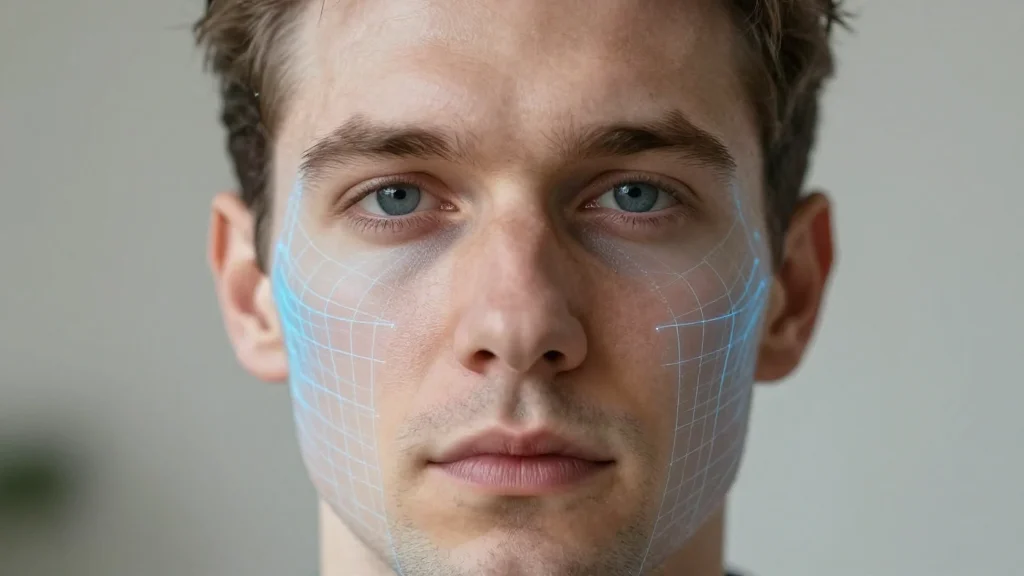
AI Age Estimation Has Been Tested on 2.5m Pics and Shown Signs of ‘Workable Results’ at Pace, Minister Claims
Why It Matters
If proven reliable, AI‑driven age estimation could streamline asylum adjudication, cut operational expenses, and reduce backlogs in the UK immigration system.
Key Takeaways
- •AI facial age estimation tested on 2.5 million images.
- •Results deemed workable, faster and cheaper than MRI scans.
- •Home Office aims to integrate AI into asylum assessments by 2026.
- •Testing covers diverse ethnicities, genders, and age ranges.
- •Technology will not be used in isolation, per policy guidance.
Pulse Analysis
Age verification has long been a bottleneck in the UK’s asylum and immigration pipeline. Traditional methods—bone density scans, MRI, or dental examinations—require specialist equipment, lengthy appointments, and significant public funding. Critics argue that these approaches can delay decisions for vulnerable claimants while inflating departmental budgets. As governments worldwide grapple with rising migration pressures, the search for scalable, cost‑effective solutions has intensified, placing AI at the forefront of policy discussions.
The Home Office’s recent pilot leverages deep‑learning models trained on 2.5 million labeled facial images, representing a broad cross‑section of ethnicities and age brackets. Early results suggest the algorithm can approximate chronological age within a narrow margin, delivering assessments in seconds rather than hours. Ministers highlight the potential to slash costs to a fraction of MRI expenses and accelerate case processing ahead of the 2026 integration target. By pairing the AI output with existing medical assessments, officials hope to create a layered verification framework that balances speed with accuracy.
Nevertheless, the rollout raises ethical and technical questions. Accuracy gaps across demographic groups could lead to disparate outcomes, prompting calls for rigorous bias audits and human oversight. International peers, from Canada to Australia, are watching the UK experiment to gauge whether AI can complement—rather than replace—clinical age‑assessment. If the technology matures, it may reshape not only immigration adjudication but also broader border‑security strategies, offering a template for AI‑enabled decision‑making in high‑stakes public policy.
AI age estimation has been tested on 2.5m pics and shown signs of ‘workable results’ at pace, minister claims
Comments
Want to join the conversation?
Loading comments...